Belgium: Quirky, Understated…But Not Boring


DSC_0858

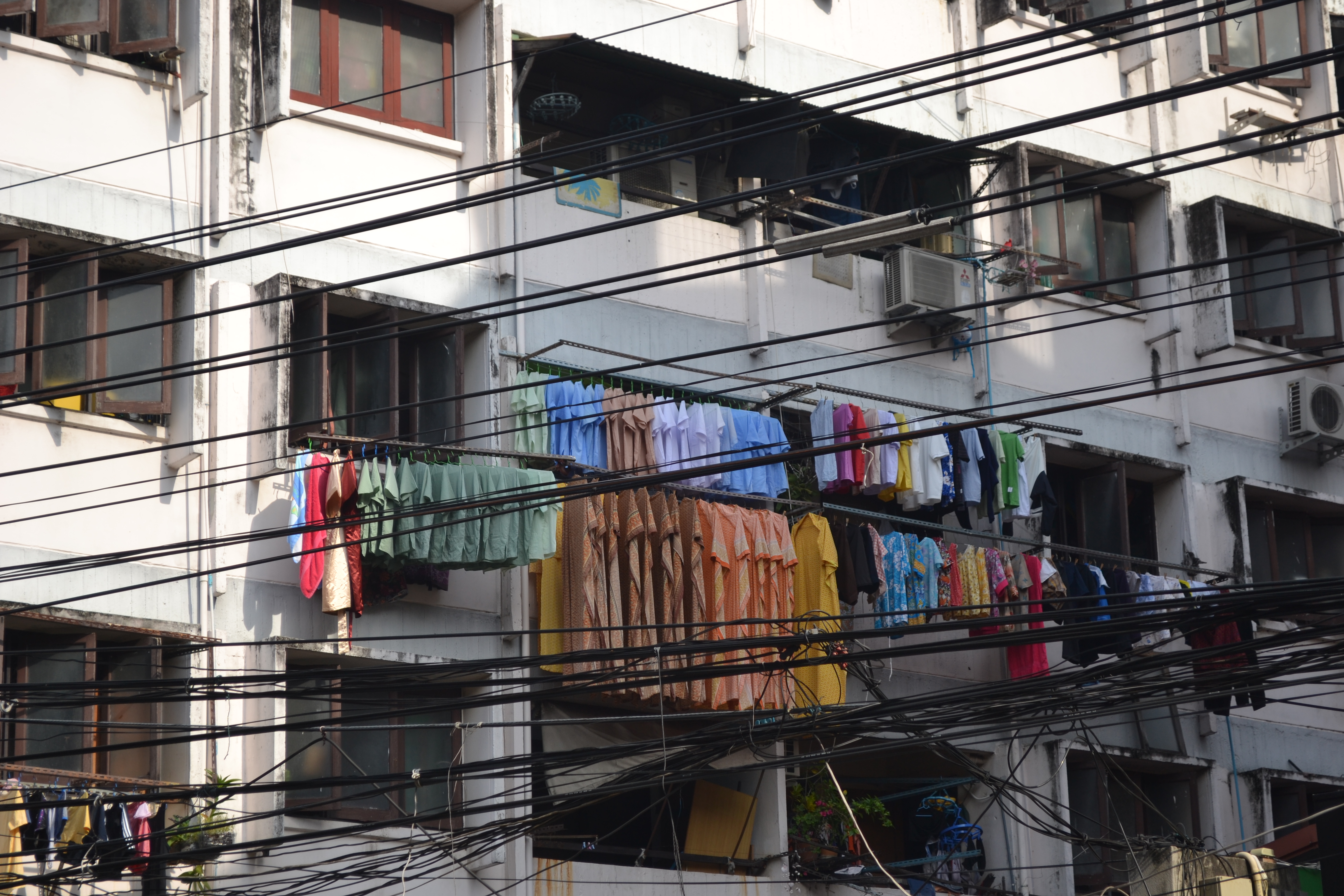
Poor Belgium. If I got a Euro every time I heard it written off as boring, I could stay there for a week on the proceeds. It is an off-the-shelf comment, the default thing to say: like “you must be very proud” to the father of the bride.

The capital comes in for particular abuse. Here is Bill Bryson:

“Brussels is a seriously ugly place, full of wet litter, boulevards like freeways and muddy building sites. It is a city of grey offices and faceless office workers, the briefcase capital of Europe. It has fewer parks than any city I can think of, and almost no features to commend it…. The best thing that can be said for Brussels is that it is only three hours from Paris.”

But he was being unfair. Every city has litter and traffic and building sites, boring offices and boring office workers  – even his hometown of Des Moines, I should imagine; and I can certainly think of cities with fewer parks than the 51 which Brussels claims.

Most – it is true – are not bang in the centre and a traveller “doing Europe” at a clip might pass through without knowing about them. But just a few steps from the Gare Centrale is what Lonely Planet reckons “one of the world’s most beautiful squares”. The Grand Place is surrounded by tall brooding guild houses, flecked with gold leaf, and a spectacularly gothic town hall. Every other August, the square is carpeted in flowers, a riot of red and yellow, purple and pink.
DSC_0005

Perhaps I was just lucky to be there on a hot summer’s weekend, when the litter was dry and none of the building sites was muddy, and the offices looked brighter and the office workers were out of their suits and dressed as themselves, relaxed and having fun.

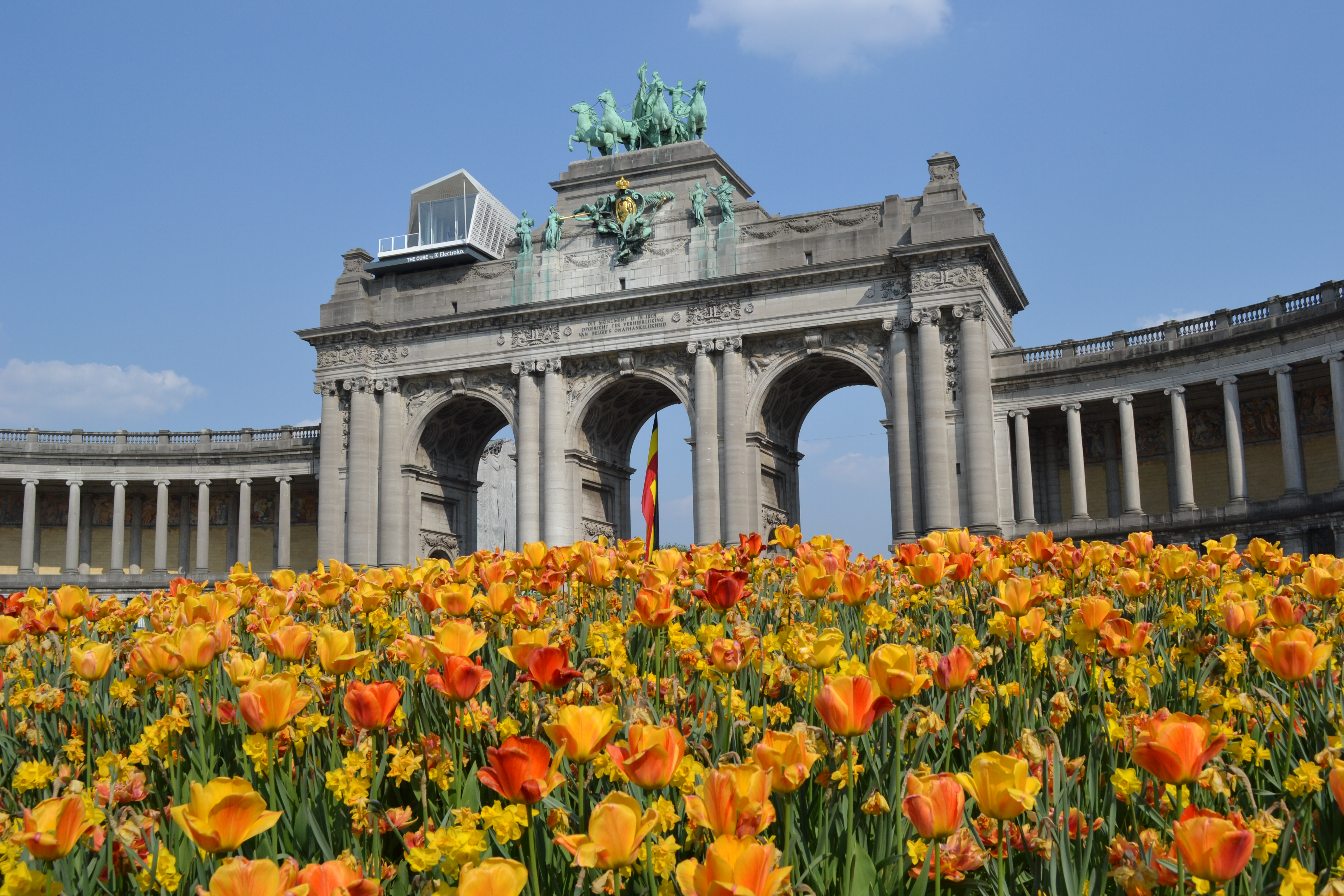
I remember sitting in the sun with a Trappist beer on a lively street crammed with galleries and bars and laughing hipsters; and walking out past the mirror glass behemoth of the European Commission to the Parc du Cinquantenaire with its triumphal arch and eruptions of tulips and young couples sprawling on the grass; and taking a bus to the house and workshop of Victor Horta, the Art Nouveau pioneer.

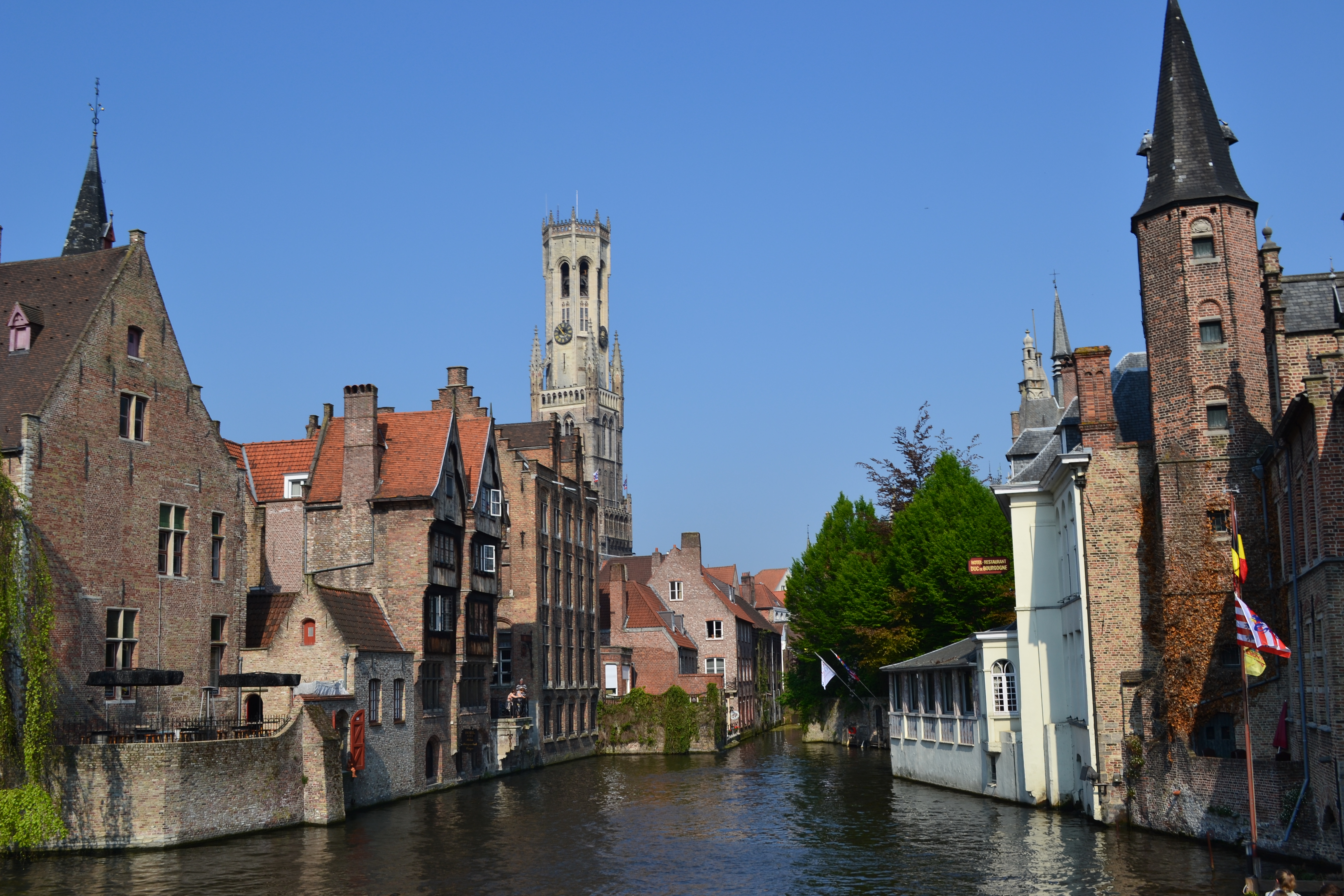
Then there is Bruges. “It’s a shithole,” said Colin Farrell’s character in the movie In Bruges. But no one agrees with him. Condé Nast Traveller voted it one of the best cities in Europe, and even Bryson – as if guilty about the kicking he had administered to Brussels – was extravagantly nice about it. “So beautiful,” he said, “so deeply, endlessly gorgeous…Everything about it is perfect”. It is a dreamy city of canals, humpback bridges, step gables and windmills, which escaped the twin horrors of the twentieth century: aerial bombardment and town planning.
DSC_0009

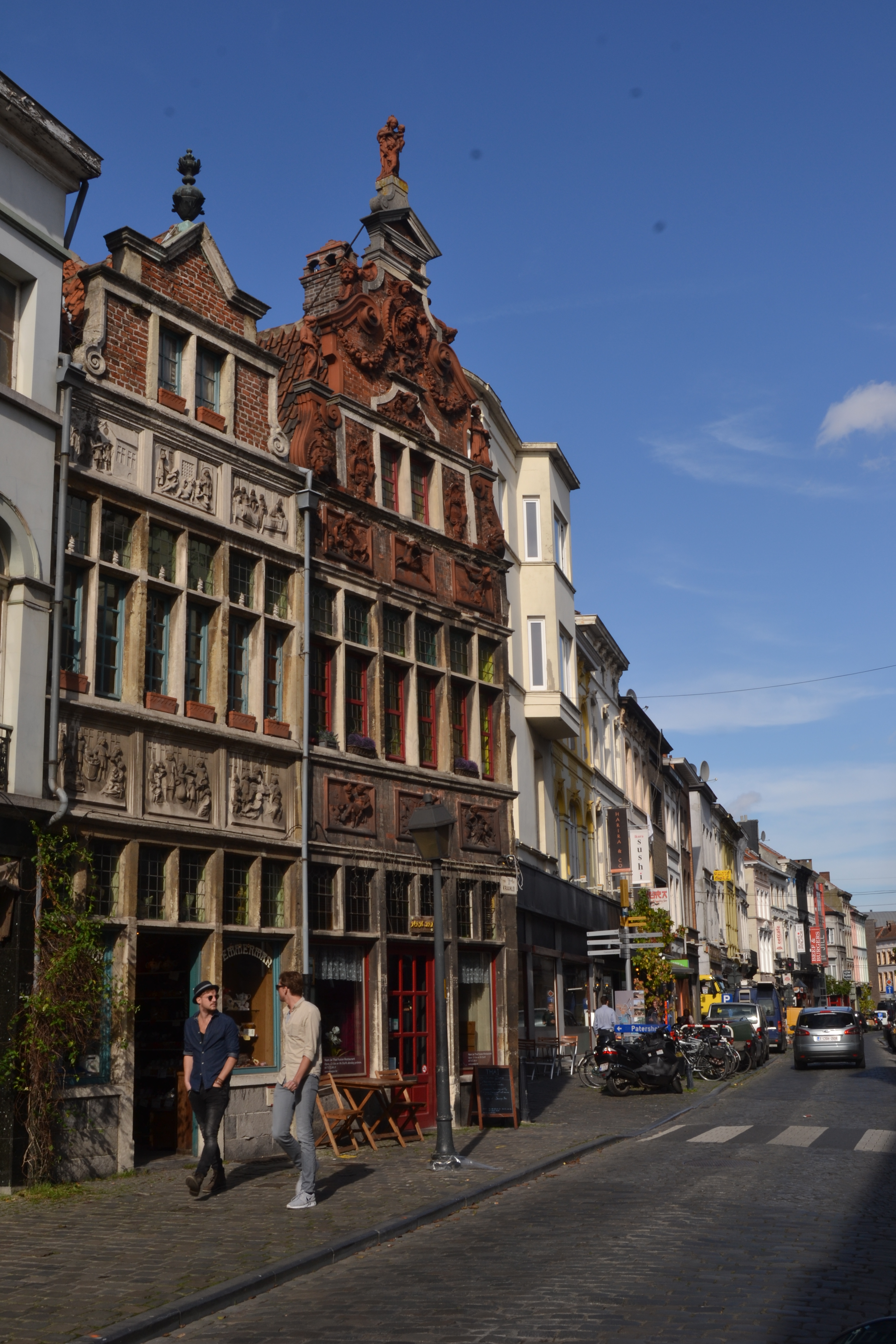
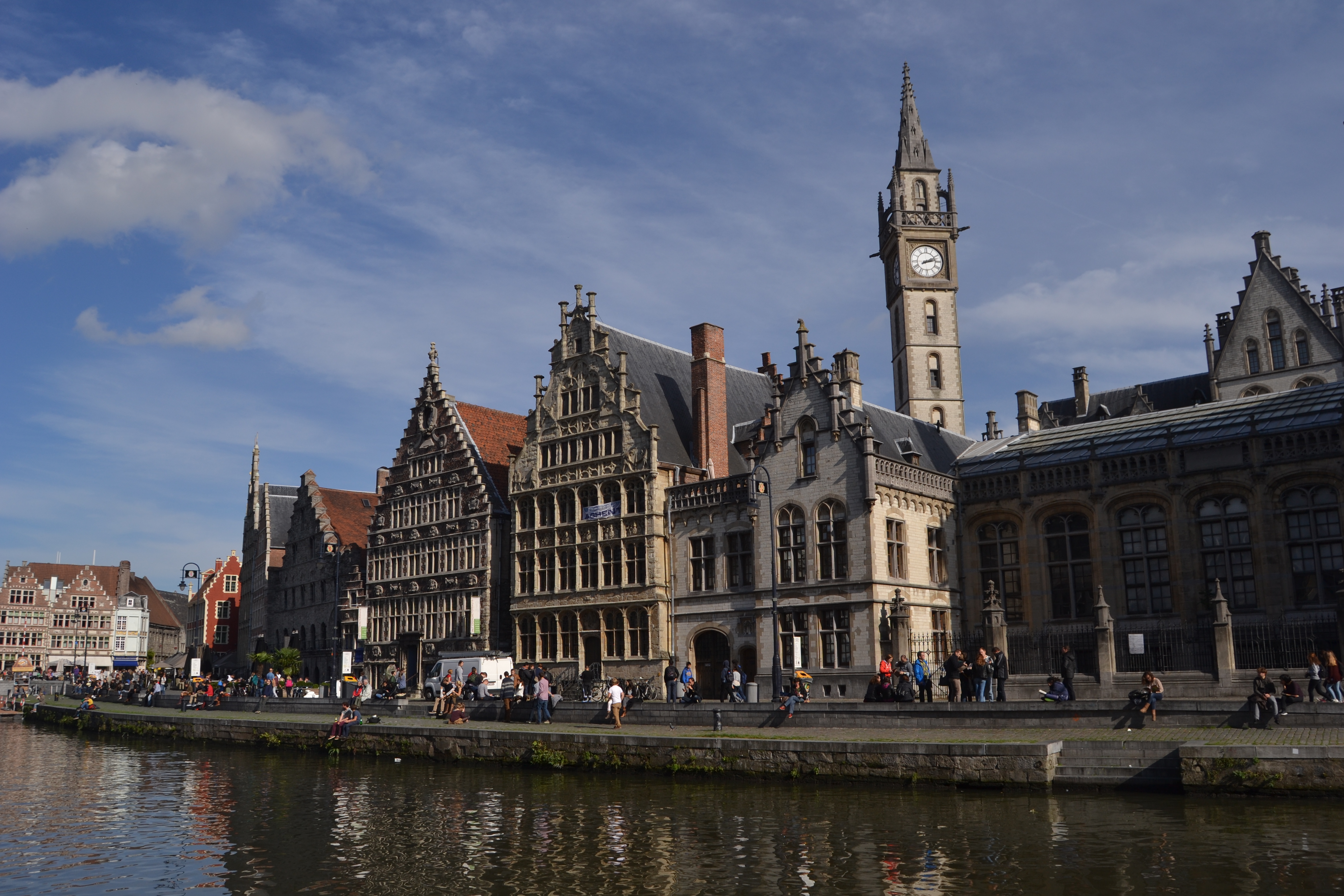
Those who must find fault say there are too many tourists. They should go to Ghent instead, then, which has much of the same magic without the crowds. Both are best explored in aimless urban rambles, walking along the edge of canals, and over bridges and ducking down alleys into a maze of back roads.

Belgium might not be the first country to come to mind when you recall Saki’s comment about nations which “make more history than they can consume locally”.  Yet look at the place names: Waterloo, Flanders, Ypres, Mons, the Ardennes. Ancient Ieper (Ypres) was devastated in World War I, but its medieval buildings were carefully rebuilt. At eight every night, the traffic stops around the Menin Gate and the fire brigade plays the Last Post.
DSC_0842

But for all the historical resonance, and all the poignancy of its war memorials, Belgium is in shirtsleeves where other countries wear black tie. Other capitals have statues of kings and generals, prime ministers and arms manufacturers: Brussels has a sculpture of a little boy having a wee. Ghent has a giant toilet roll. In the nation of Hergé, the comic book is a major art form with a long and distinguished history. One of Horta’s buildings in Brussels is now the Comics Art Museum.

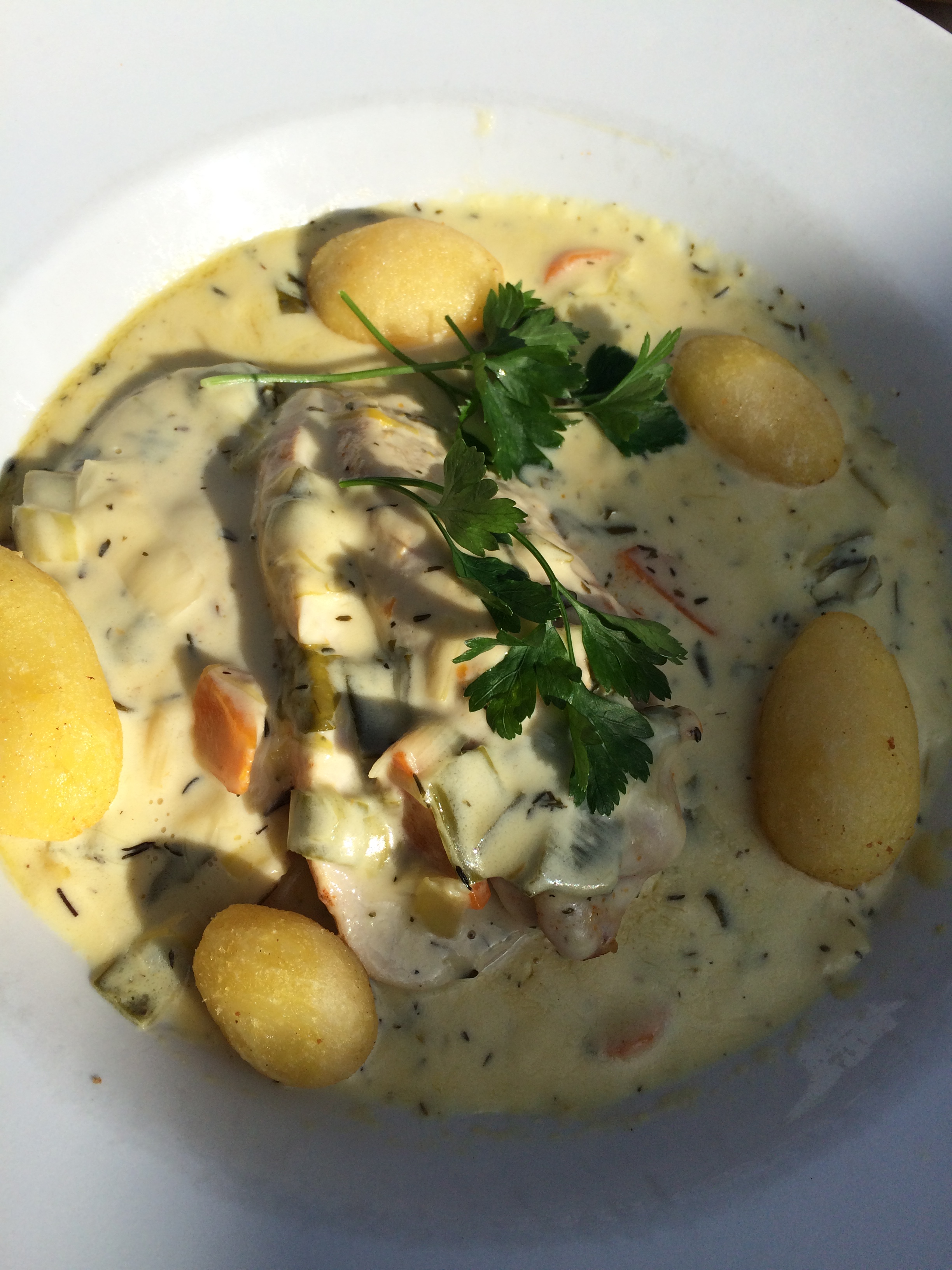
Antwerp is known for Rubens, fashion and nightlife, and takes each about equally seriously. It is as good a place as any to start working your way through Belgium’s thousand or more characterful beers, some dark and gutsy, some as delicate and complex as fine wines. They are used instead of wine in the moules à la marinière iconically served with frites and mayonnaise; also in coq à la bière and stoverij, a take on boeuf bourguignon. But there is more to Belgian cooking than reimagined French dishes: Ghent’s waterzooi, for instance, with chicken in a creamy broth, and Antwerp’s paling in ‘t groen: eel stewed in a herb and shallot sauce.
IMG_1201

I sometimes wonder whether the people who call Belgian boring have even been.

© Richard Senior 2015
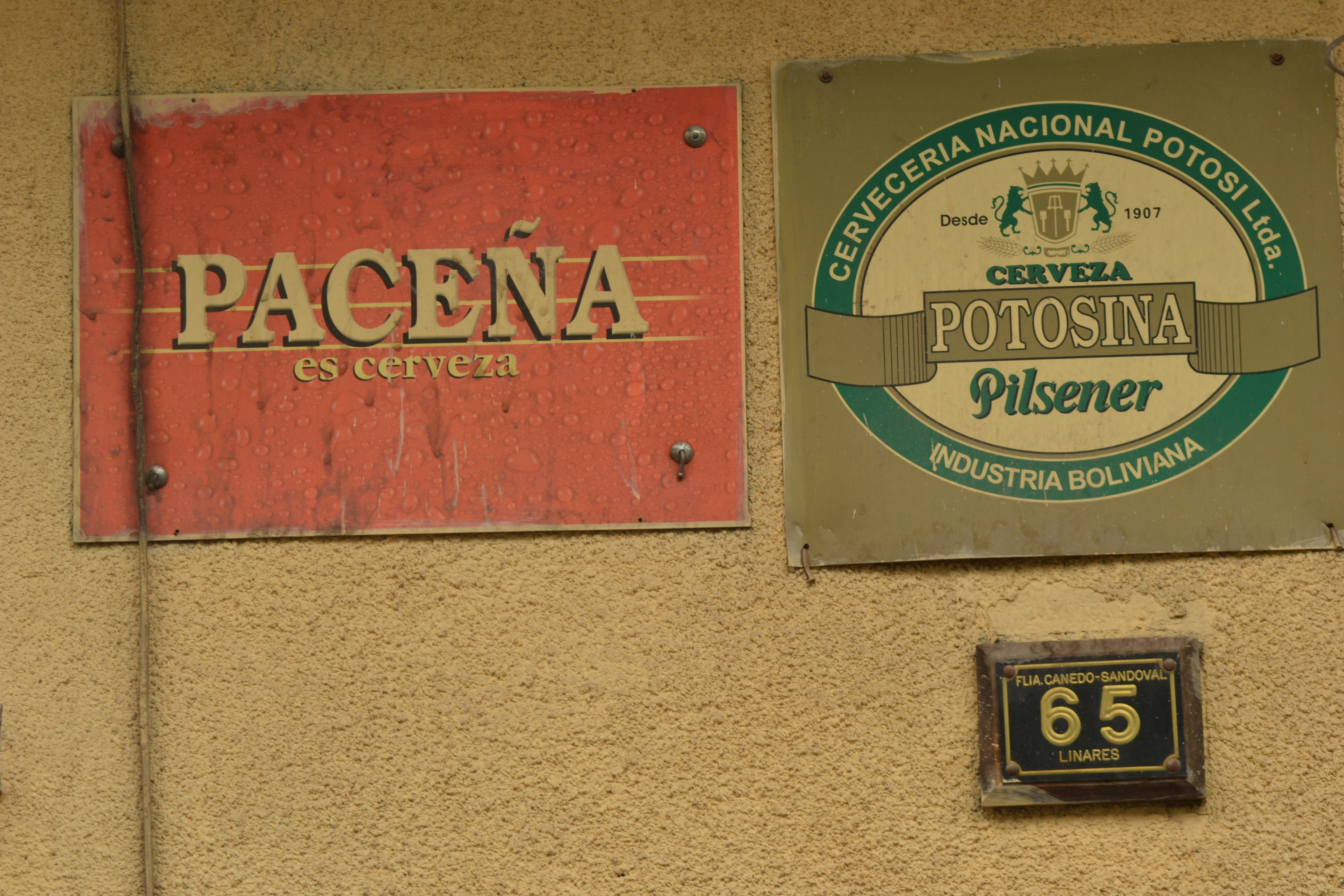
Potosí: Rich Hill, Macho Beef and Altitude Sickness

DSC_0925

Un Potosí is a Spanish idiom which loosely means a fortune. It is credited to Cervantes, who had the mad Don Quixote say: “the mines of Potosí would be insufficient to pay thee”. He was alluding to a city four hours southwest of Sucre, where Bolivia’s Central Highlands blend into the Altiplano. 

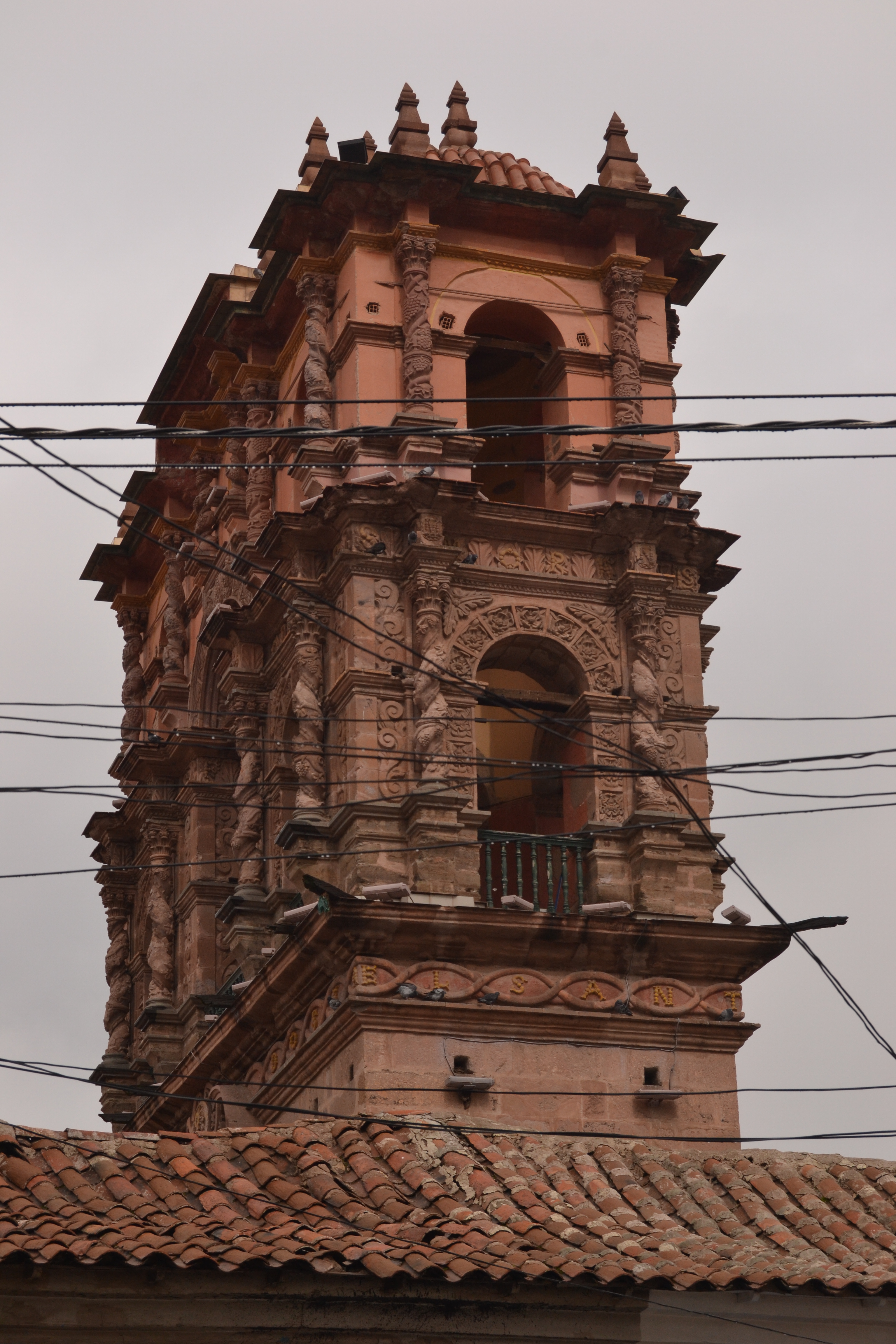
Nowadays it has the look of an old, unloved Rolls Royce, curbed and keyed, filled with junk, but still nonetheless a Rolls Royce. The buildings are painted in blues and reds, yellows and greens, muted now, but obviously striking once. The pompous columns, the intricate doorways, the heavy iron grilles on windows all sing the same song. The words are on the coat of arms:

            I am rich Potosí

            Treasure of the world

            King of all Mountains

            And the envy of kings

The King of all Mountains dominates the city, visible from every street. Cerro Rico (Rich Hill), it is called, because it is laced with silver. It is popularly said that the Spanish shipped out enough of it to build a bridge to Madrid. They shipped slaves the other way, from Africa, because the indigenous workforce kept dying and they still had targets to meet.

The mountain is like a honeycomb, now, after five hundred years of unconstrained digging; and engineers worry that the whole thing might collapse. But the miners are fatalistic. They have to be. They work with hammers and chisels, picks and shovels, breathe the foul air, and carry rock on their backs to the surface. Wads of coca leaves and cheap, strong alcohol get them through the day. They are all likely to be dead before 40. Even if they avoid the frequent cave-ins and runaway trucks, silicosis will get them anyway.

DSC_0968

Agents all over town arrange tours of the mines, with a stop at the market to buy coca leaves, cigarettes and dynamite as presents to give to the miners. Some dismiss it as voyeurism, others think it educational. I was not sure what I thought, but on balance I was minded to go.

Altitude sickness decided the point in the end. It crept up on me during the bus ride from Sucre and left me unable to do much except read and drink coca tea. At 4,090 metres above sea, Potosí is higher than most of the Alps; but the guidebooks overreach themselves when they call it the highest city in the world. It was not even the highest I had been on that trip: El Alto is at 4,150. But altitude sickness is hard to predict. It gives no credit for being fit and healthy, nor for being used to altitude. It can do anything right up to killing you of pulmonary edema; but in my case it was much like a hangover with laboured breath as a bonus. I was fine by the time I went to dinner.

Pique a lo macho is aimed at men with Popeye arms. It seemed the right thing to order in a tough guy town like Potosí. The cook sautés strips of beef with garlic and cumin, adds beer and reduces it, then tosses with slices of onion, tomato and chilli, balances it all on a plate of fries and garnishes with hardboiled eggs. Finishing one alone has about the same significance as eating three Shredded Wheat. It means you are a greedy bastard.

The beef was tender and the flavours were good but I could only manage half. I am not at all a tough guy. I like cats and poetry and even wear a coat in winter.

© Richard Senior 2015
Journey through Zimbabwe, Part 6

DSC_0422

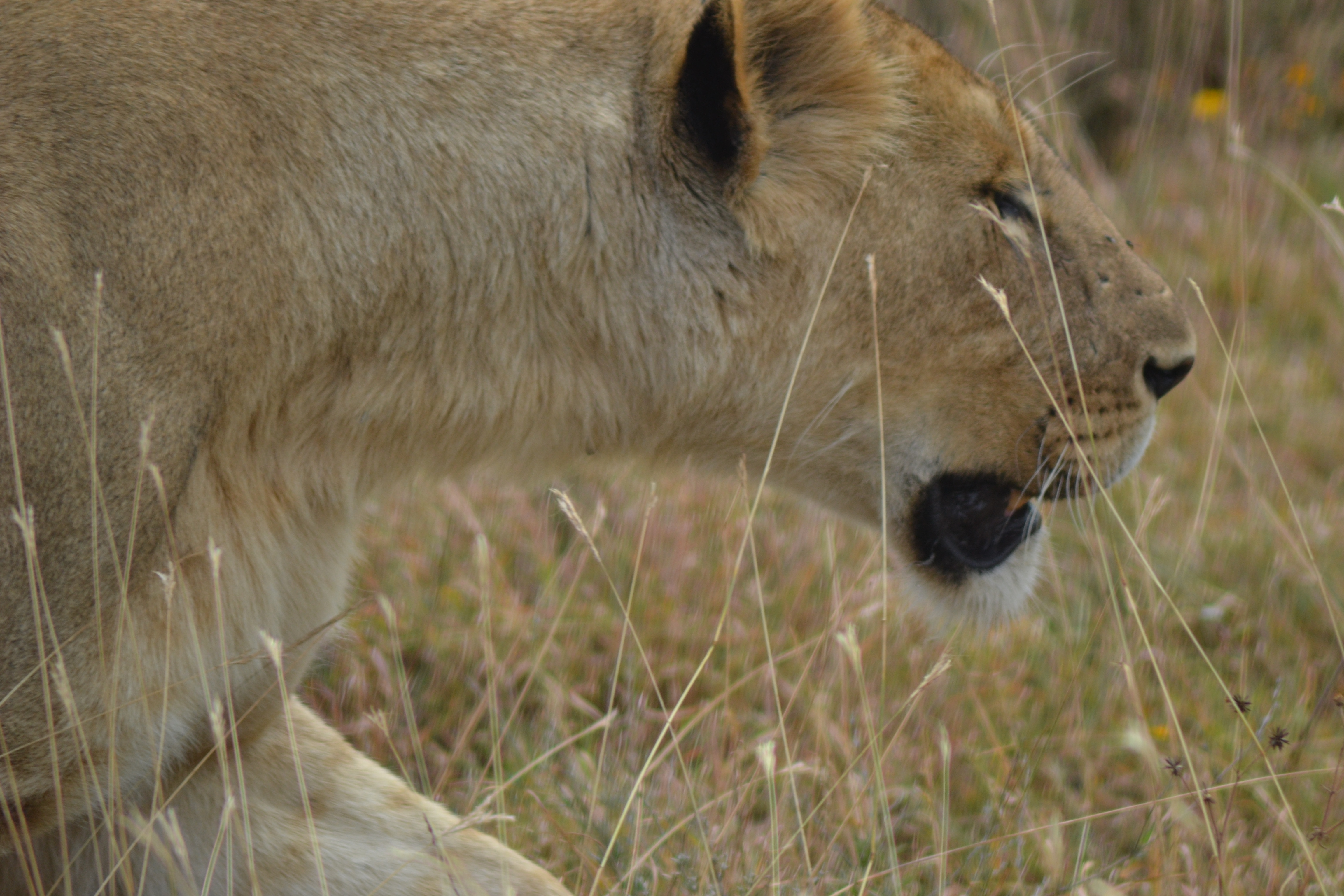
The vultures crowded like excited spectators into the baobab tree. The boldest hopped down and inched towards the buffalo. But a lioness saw them and mock-charged to force them back. She took her turn, then, to tear a piece from the carcass while the male, full for now, reclined in the sun. Another lioness kept watch on the vultures.

Is the buffalo dead?” asked Nahid to everyone’s astonishment.

Nah,” said Lisa, “just resting”.

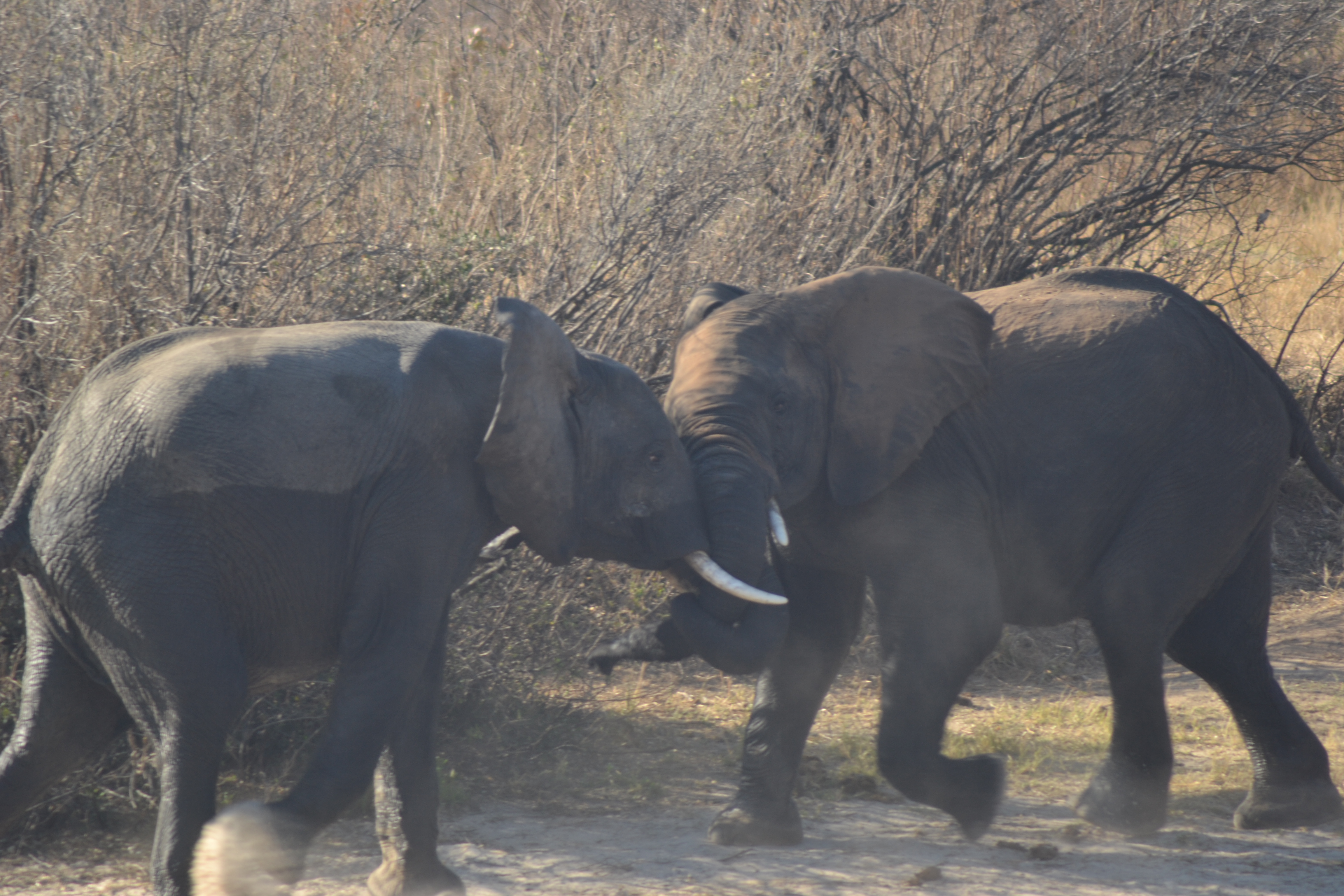
We had turned north from Bulawayo and driven the 200 miles or so to Hwange National Park. It used to be called Wankie Game Reserve, until they found out why visitors were sniggering. It is best known for its elephants. There are something like 40,000 there, in a park the size of Belgium. A small herd bathed in the river, while two young males wrestled on the bank, trunks entwined, tusks locked, stirring up clouds of dust as they struggled for grip.

DSC_0361

Always, on safari, the drivers stop and chat sotto voce about the game they saw further down the track. The word “shumba,” – Shona for lion – had sent us hurrying to see the lions tackling the buffalo carcass.  So I thought nothing of it when the other jeep stopped, but I was puzzled why the passengers sat grinning in silence. Something was off. Then they bombarded us with elephant shit and drove away laughing.

That evening, after a few drinks – and after cleaning off the elephant shit – we set off in the jeep again with torches. Bush babies leaped between branches, and an elephant padded stealthily across the road.  We called in at a smart safari lodge, got more drinks and sat at the waterhole watching zebra and gazelle.

DSC_0428

Then, in the morning, we continued north.

© Richard Senior 2015
The Morning after the Lao Lao Rice Whisky

DSC_0269

I peered at my phone and, when it came into focus, saw that it was time to get up. Then I found that I was already dressed. I jammed my hat on my head instead of brushing my hair, grabbed my backpack and checked out of the guesthouse.

I slipped my sunglasses on as I went outside – although the morning was overcast – and took a motorbike taxi to the bus stop. I was the only falang (Westerner) on the bus, so I knew exactly who the driver and his friend were talking about when they kept using that word in a sniggering conversation. I hid behind my glasses and looked out the window.

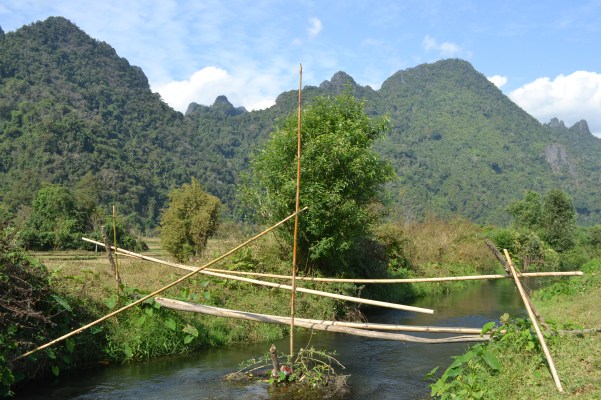
It is only a couple of decades since the mountains surrounding the road to Luang Prabang were riddled with bandits; but only the cows which ran into the road at intervals held us up, and the only other people we saw were the women from the villages of subsistence farms who threshed the corn by hand at the side of the road, and the tiny children who ran out and held up dead animals for sale.

DSC_0276

One girl had a hare barely smaller than her and a boy had what looked like a rat. I turned away, though. Nausea had been hovering in the background all morning, as it was.

It is a glorious, breathtaking route through the mountains. The road struggles up and spirals round with a surprise after every corner, be it soaring peaks, a snaking river, a deep, deep valley, or a big, honking 16-wheeled truck.

The bus pulled into Luang Prabang in the late afternoon and I shouldered my backpack and struggled off to look for a guesthouse.

© Richard Senior 2015
Beer and Losing in Las Vegas

DSC_0012

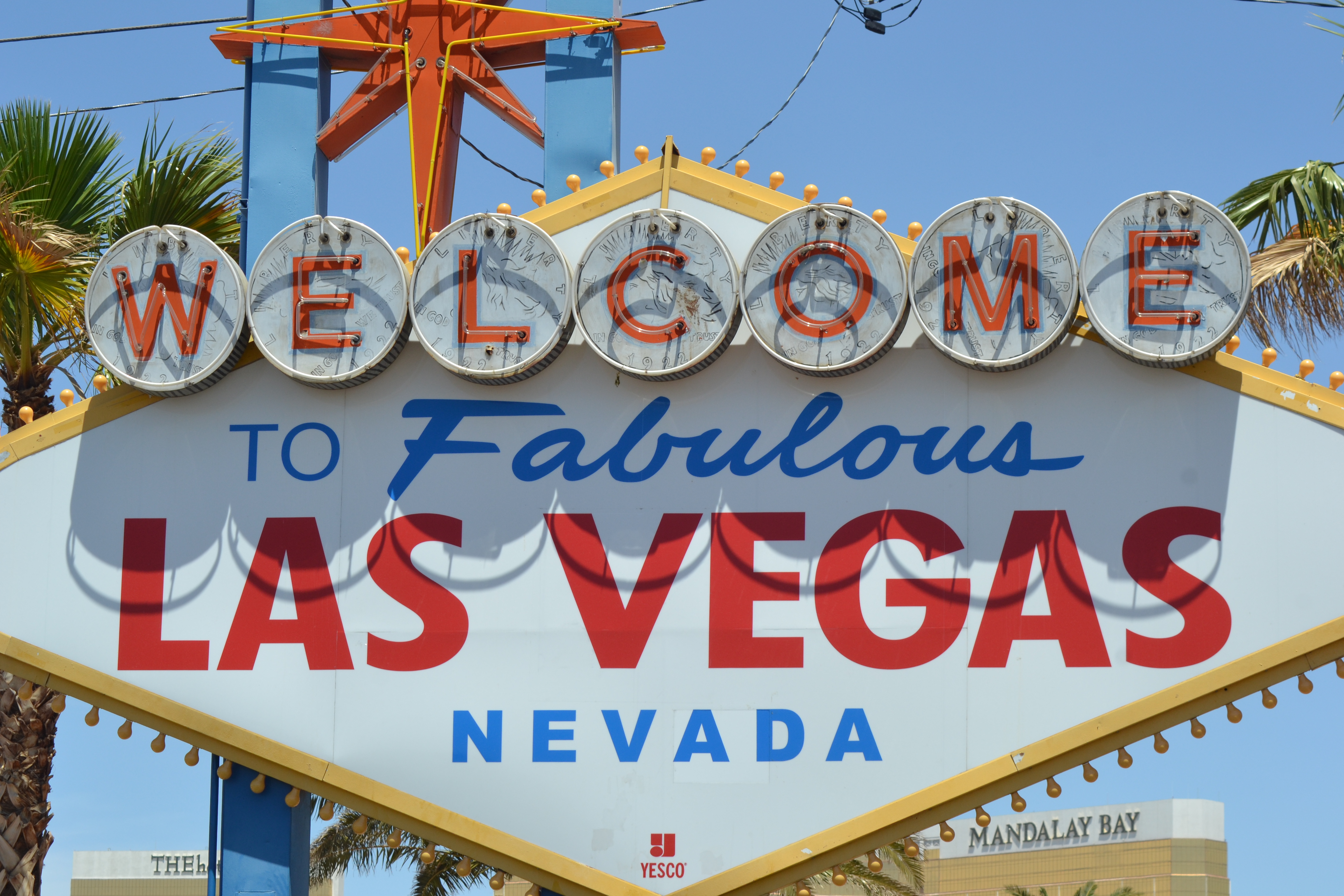
Las Vegas, said Hunter S Thompson in his craziest book, “is not a good town for psychedelic drugs [because] reality itself is too twisted”. It is even worse now.

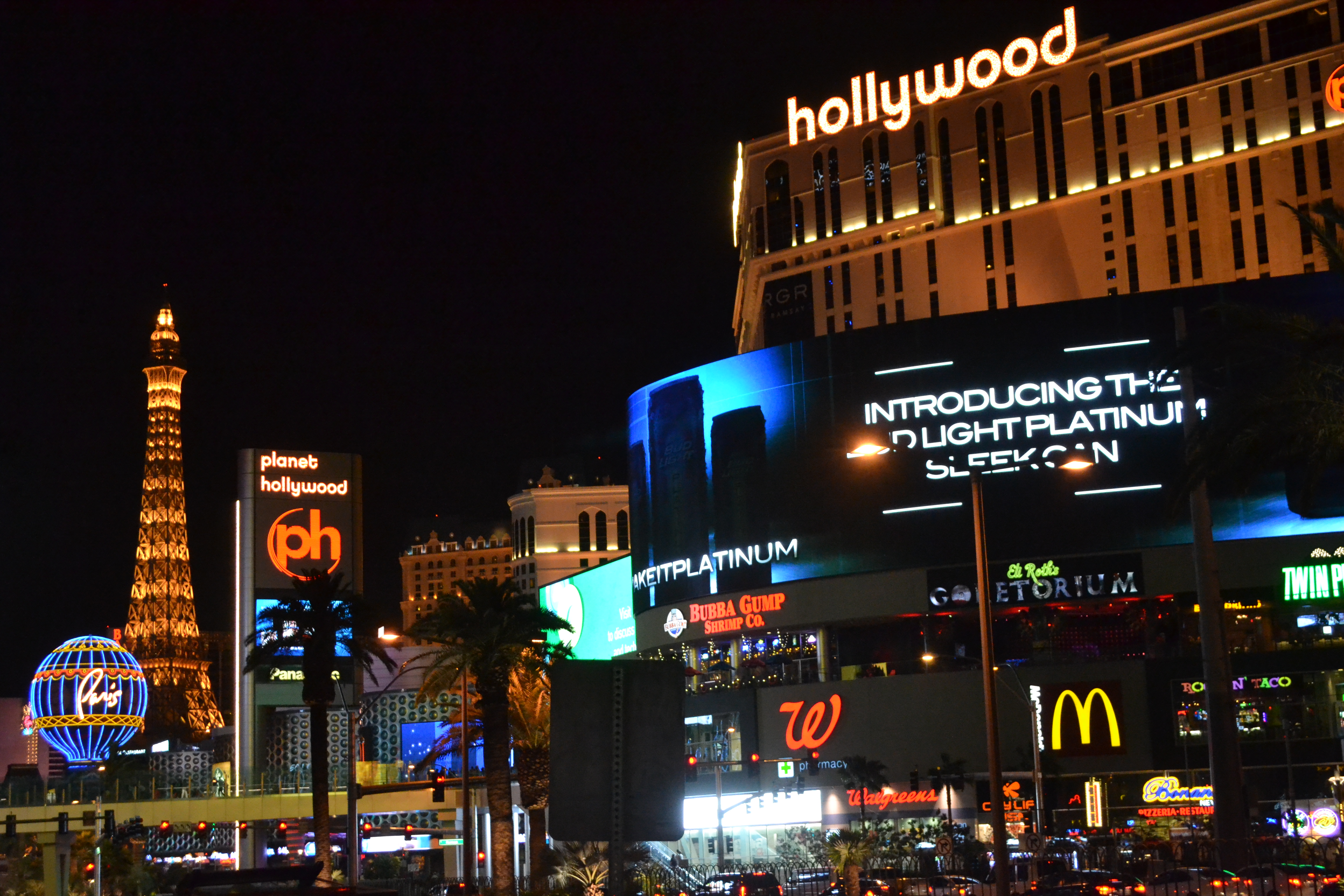
Elvis is alive and everywhere at once. He shares street space with Spider Men and Optimus Primes, and a man with a sign which reads “kick me in the nuts for $20”.

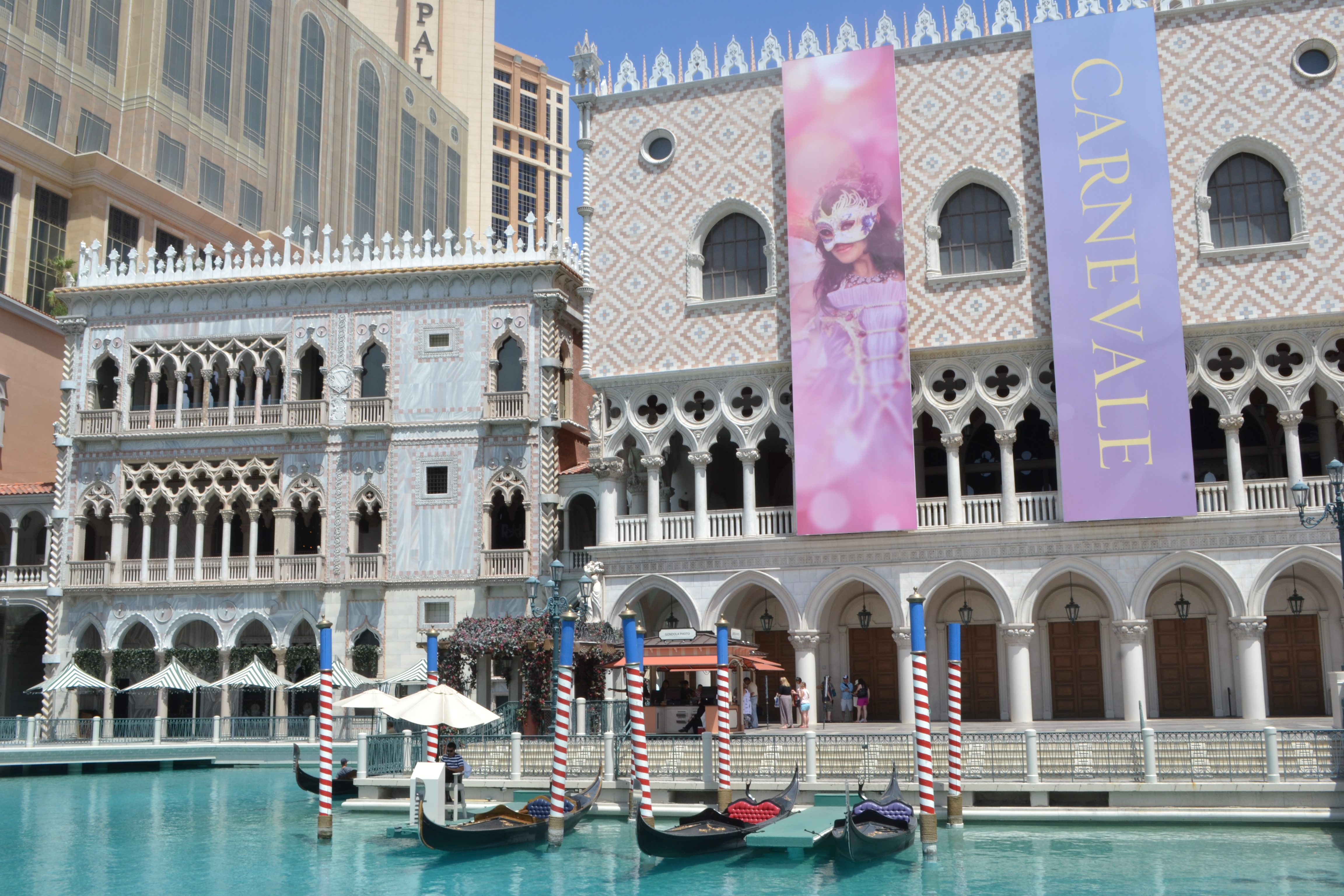
New York is a few steps from Egypt and Rome, and Paris and Venice are across the street. The Ponte Rialto joins the Campanile to the Palazzo Ducale, and gondolas slide through glacier-blue waters. The Eiffel Tower sprouts from the roof of the Louvre; and New York’s great sights are lined up in a row. It is a bit like the world, but with a lot less walking.

DSC_0053

MGM has lions, Mirage has tigers, and all the casinos have cougars. Bellagio has an eight acre lake with hidden fountains which break the surface twice an hour (more often at night) and squirt and dance to music, then stop and retreat underwater.

Luxor is a 400 ft pyramid with a replica sphinx guarding its doorway. Excalibur is a cartoon medieval castle, which would definitely not agree with psychedelic drugs. Paris, Las Vegas (so named in case anyone thinks they have walked by mistake to Paris, France), New York, New York, and the Venetian are amalgams of landmarks in the cities they represent.

If you were as drunk as you were supposed, by tradition, to be in Vegas, you would never quite know whether you were inside or out, or what time of day it was. The shops and restaurants are behind facades which look like a street scene to continue the theme outside, and roofs are painted to look like the sky, and the lighting fools your brain into thinking it is perpetual evening. There are – famously – no clocks to contradict it.

DSC_0076

Five per cent of visitors say that they are there to gamble. Ninety-seven per cent actually do gamble. They get through an average $250 a day. It earns the state $9 billion a year.

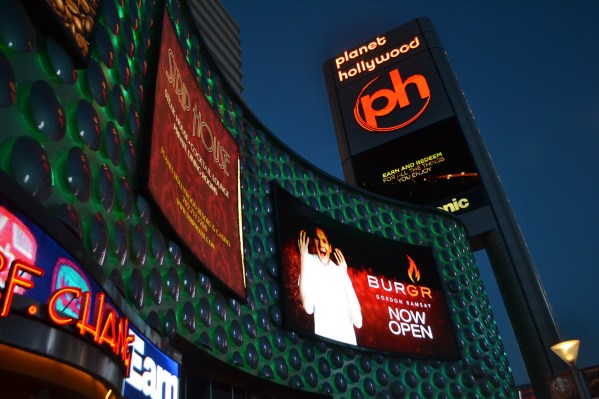
It is all but impossible not to go in a casino at some point. You might be unmoved by the bright, beckoning signs, uncurious about the fanciful themes, indifferent to celebrity chef restaurants and superstar DJ’s, magicians and singers and dancers, but you will still need to pass through a casino or two to get to the monorail, or just to walk the length of the Strip.

And they are so bewilderingly huge that it is hard to get out once in. You follow the signs to the street or the monorail from one room to the next; you go up and down escalators, through bars, past the tables for blackjack, baccarat, poker and craps, past a hundred slot machines and a hundred more until, finally, you get back to where you started.

DSC_0116

It is mesmerising to gaze across a stadium-sized casino at the rows of slot machines stretching away to seeming infinity with their flashing lights and plunky music, and the tables, and the sports books with every game and ever race playing at once on the big screens and a wall full of digital statistics which mean as little to me as the company data they print in the Financial Times.

I saw hundreds of dollars robotically fed into slot machines but never saw a cent come out. I heard one shout of triumph from the tables but who knows how much the guy invested to get there. Some apparently make a living from gambling but it is hard to see how when the odds always favour the house.

There are consoles on the bars so you can carry on gambling as you drink, and plenty of bars so you can carry on drinking as you gamble. Then you can wake up in the morning without even the funds for black coffee and headache pills.

The fountains dance, the lights pulsate, the music pumps and big rigs haul in more beer. It is sleazy, it is tacky; it is overblown in every way. Yet there is something compelling about it, something you cannot help like.

© Richard Senior 2015
Journey through Zimbabwe, Part 5

DSC_0287

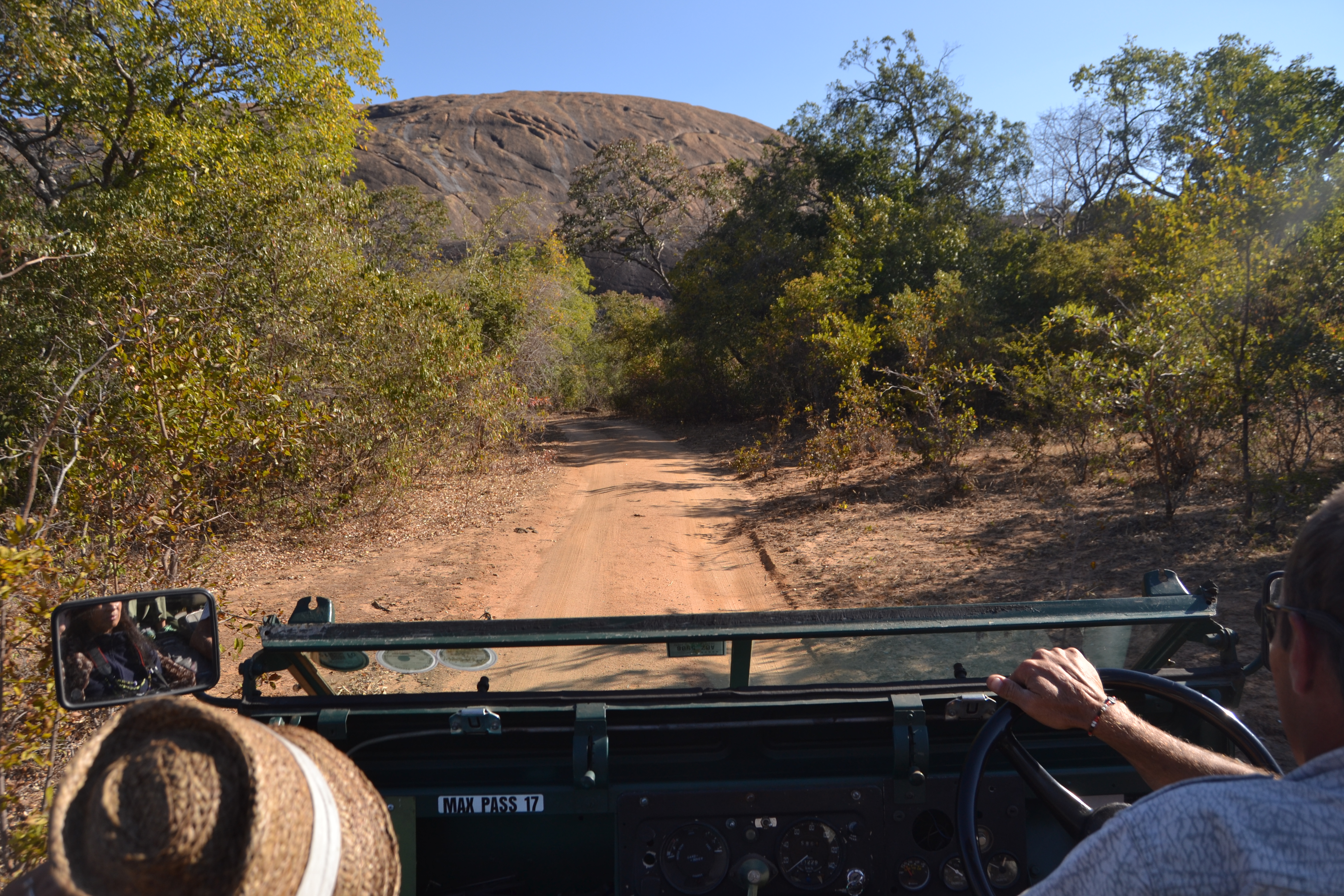
We set off at first light in an old, open Land Rover.

Hard men in military fatigues paced the edge of the national park with AK47s. Ian stopped and spoke to them in Ndebele and they slung their assault rifles over their shoulders and jumped on the running board and hitched a ride down the road.

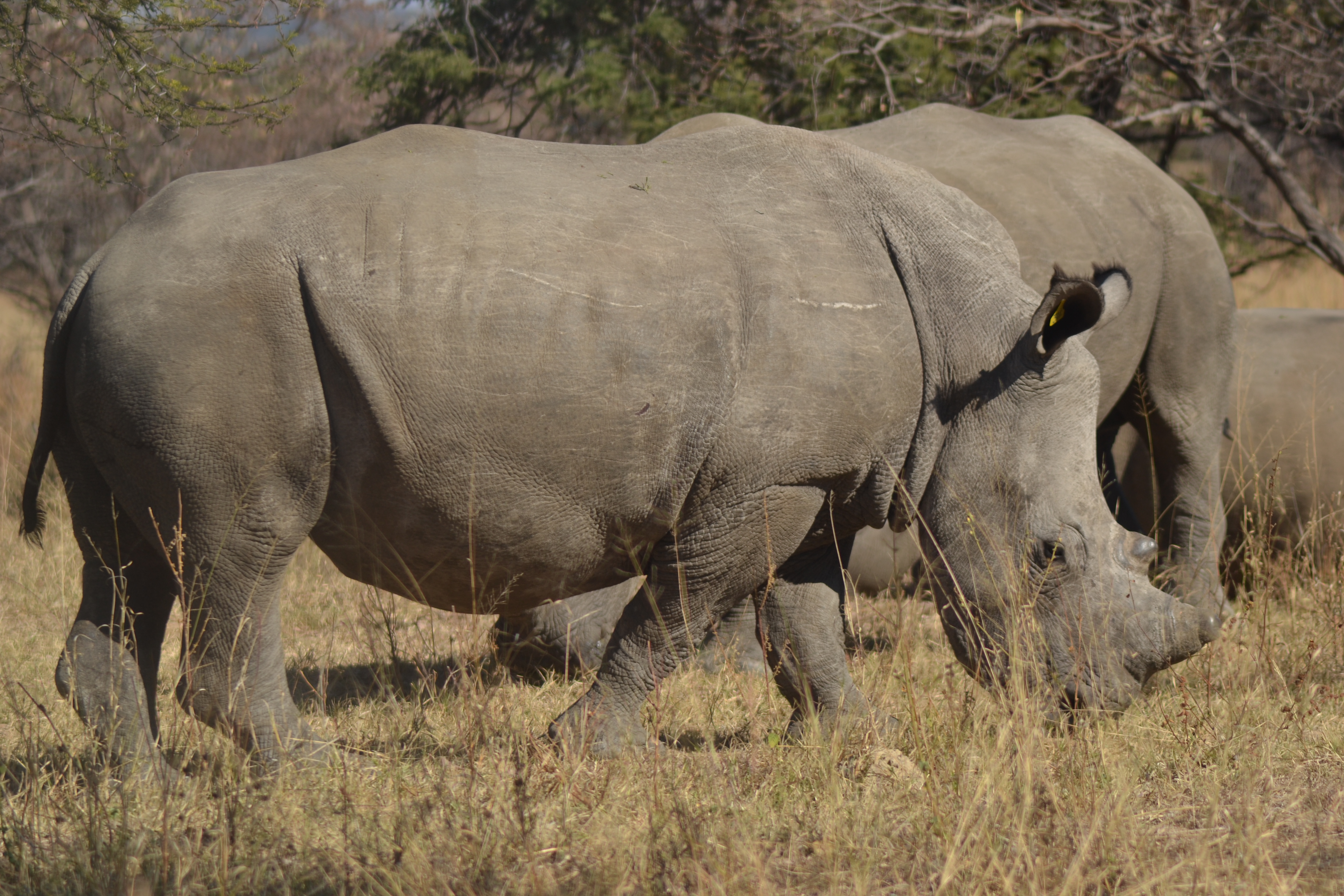
I assumed they were soldiers but Ian said they were rangers, protecting the park’s rhinos from poachers. It is a huge problem in a country with 90% unemployment and a black market willing to pay US $60,000 for a kilo of rhino horn. But it is a problem wherever there are wild rhino. South Africa lost the equivalent of one every eight hours in 2014. Some predict that they will be extinct in the wild within 20 years.

We stopped and jumped out and Ian led us deeper into the park on foot. The sun had taken the chill off the morning by then and the light was beginning to dazzle. The insects hummed and the Cape turtle doves incessantly voiced drink lager, drink lager, drink lager. We weaved around termite mounds taller than us and the gaping holes of old aardvark burrows, and Ian slowed us down and got us to crouch in single file, and we crept to within a few metres of a family of white rhino. The rhino sensed us and some looked up, but they decided that we were no threat to them.

DSC_0189

There is something ethereal about the country around the Matobo Hills. The dusty lanes overhung with trees. The bleached yellow grass, the vivid blue cloudless sky. The famous balancing boulders, the curvaceous granite hills. Water lilies floating on a reflective river. A profound sense of stillness. We drove deep into the communal lands, where joyful children ran out with fruit for sale. “You can leave what you like in the Land Rover,” Ian said confidently, “It’ll be safe enough here”.

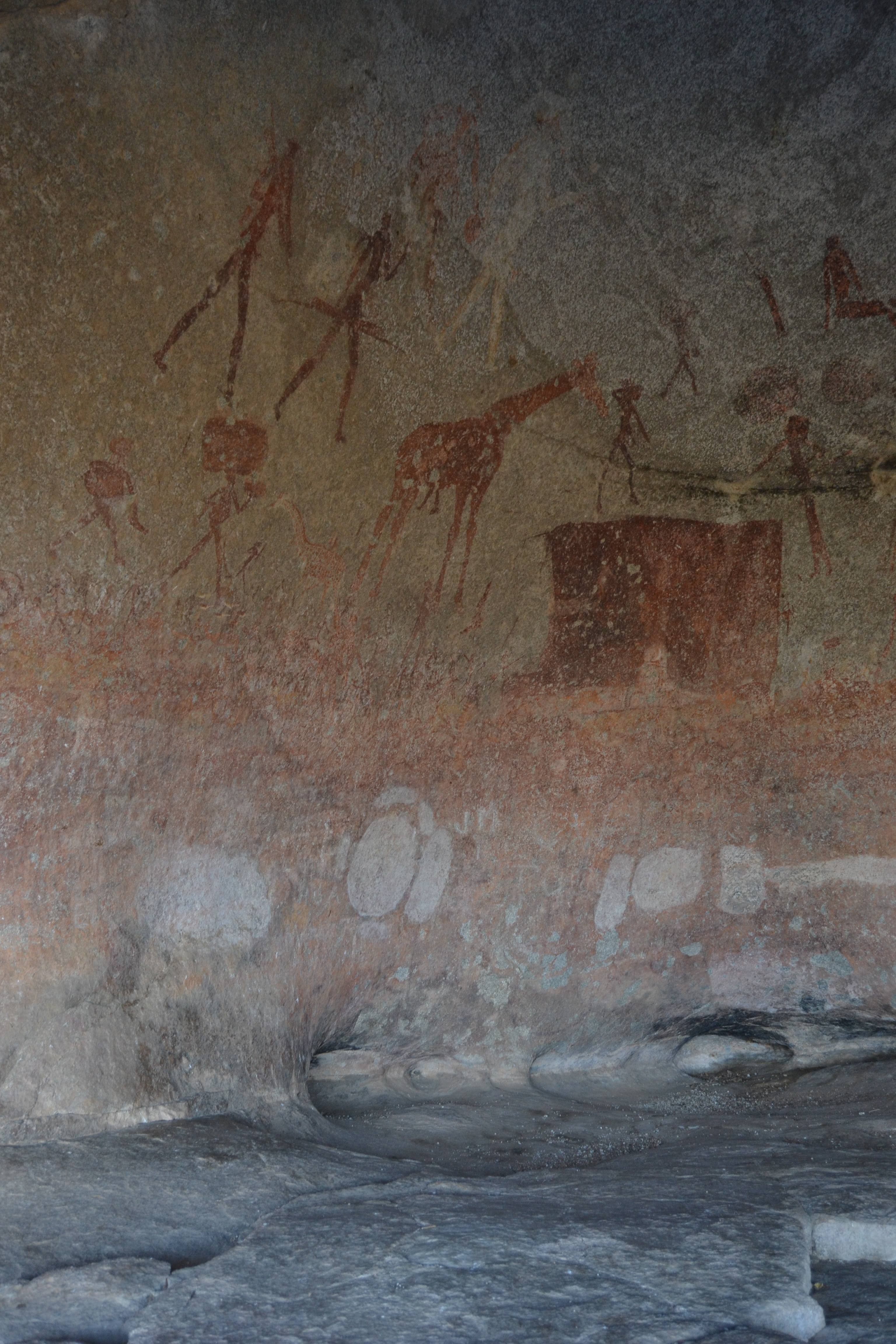
We clambered to the top of a hill where the winds of millennia past had scooped out a cave, and the Bushmen of 11,000 BCE had painted stories on its walls of giraffes and lions and hunting and cooking and setting up camp, which it is easy to make sense of still.

What is harder, though, is to comprehend as you look at these paintings – which are not fenced off, or behind glass, or supervised by guides – were already there at the end of the Ice Age, when the mammoths and sabre-toothed cats died out, when the Bronze and Iron Ages came and went, and Stonehenge was built in England, and the pyramids in Egypt, and a series of great empires waxed and waned, and the modern world slowly emerged and evolved, through wars and inventions and social change, into what it is today.

DSC_0297

At the township bar, where we stopped in the late afternoon, the beer-happy customers gyrated to dancehall which shook the walls, and Ian chatted to a wobbling man in Ndebele, while we nodded and shook hands and said hello and sipped at the porridgy traditional beer served out of gallon drums. I had worried that people in Zim would be hostile, but found nothing but friendliness throughout the country. It is always a mistake, though, to assume that governments speak for their people, any more than mine does for me.

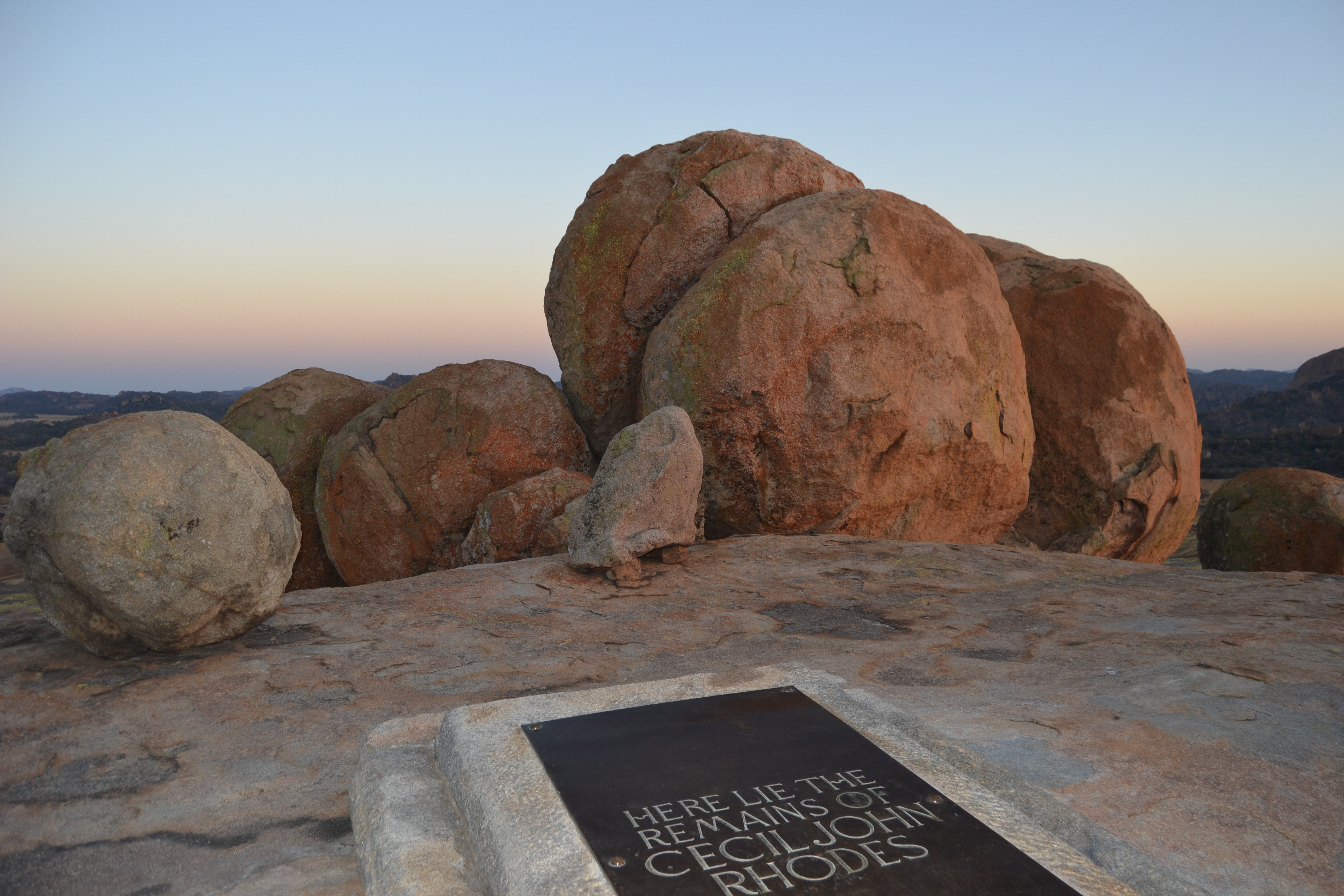
We trooped up the hill which they call World’s View and looked out across illimitable hills and over the park to the horizon with no sign at all that there might be a town within a thousand miles. A century old slab of brass is bolted to the rock and tersely engraved with the words: HERE LIE THE REMAINS OF CECIL JOHN RHODES.

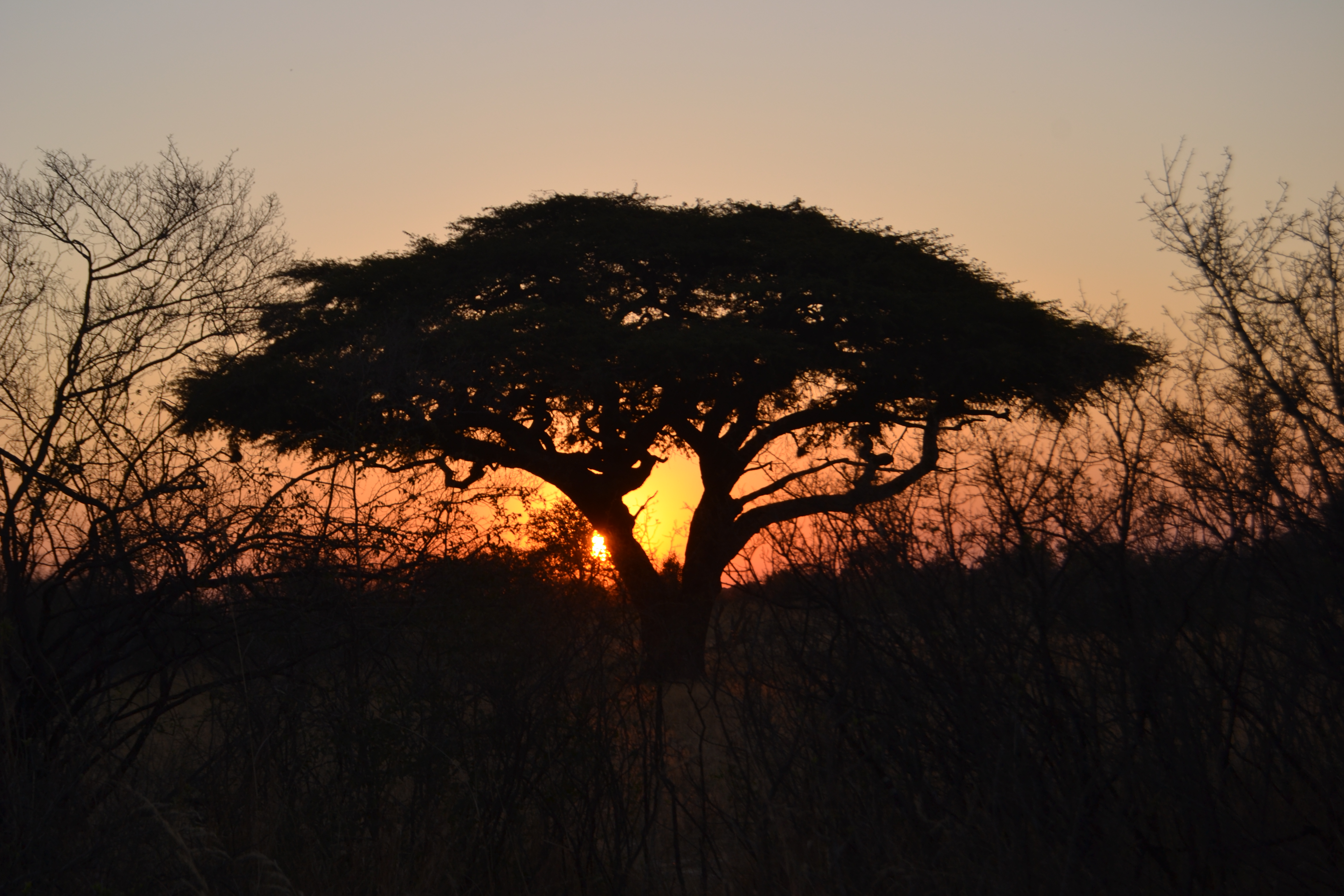
The light began to fail and the sun slipped out of the sky and a band of orange spread up from the horizon and gradually faded out.

The peacefulness of it all,” Rhodes remarked, while sitting on this spot, “The chaotic grandeur of it. It creates a feeling of awe and brings home to one how very small we are”.

DSC_0326

© Richard Senior 2015
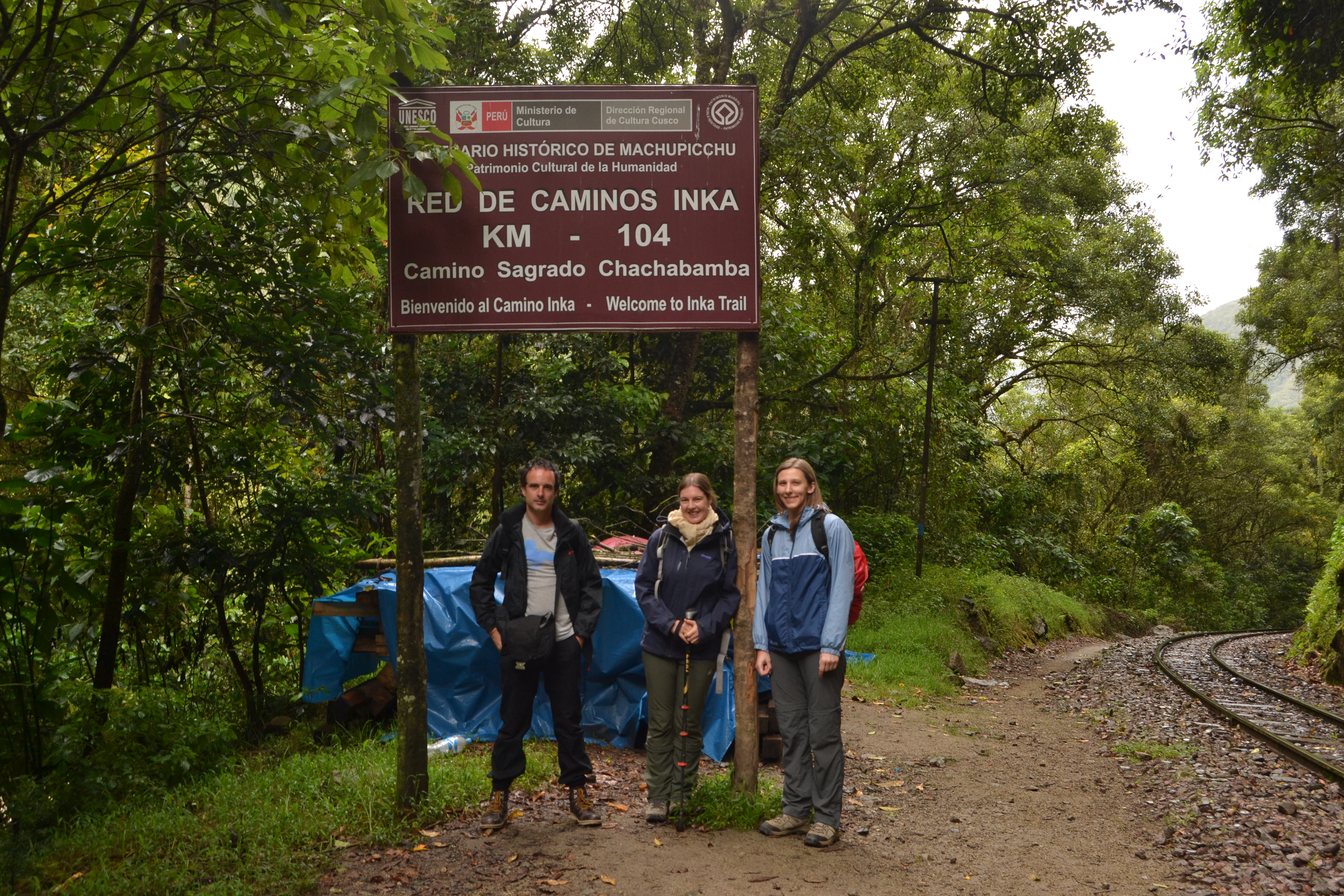
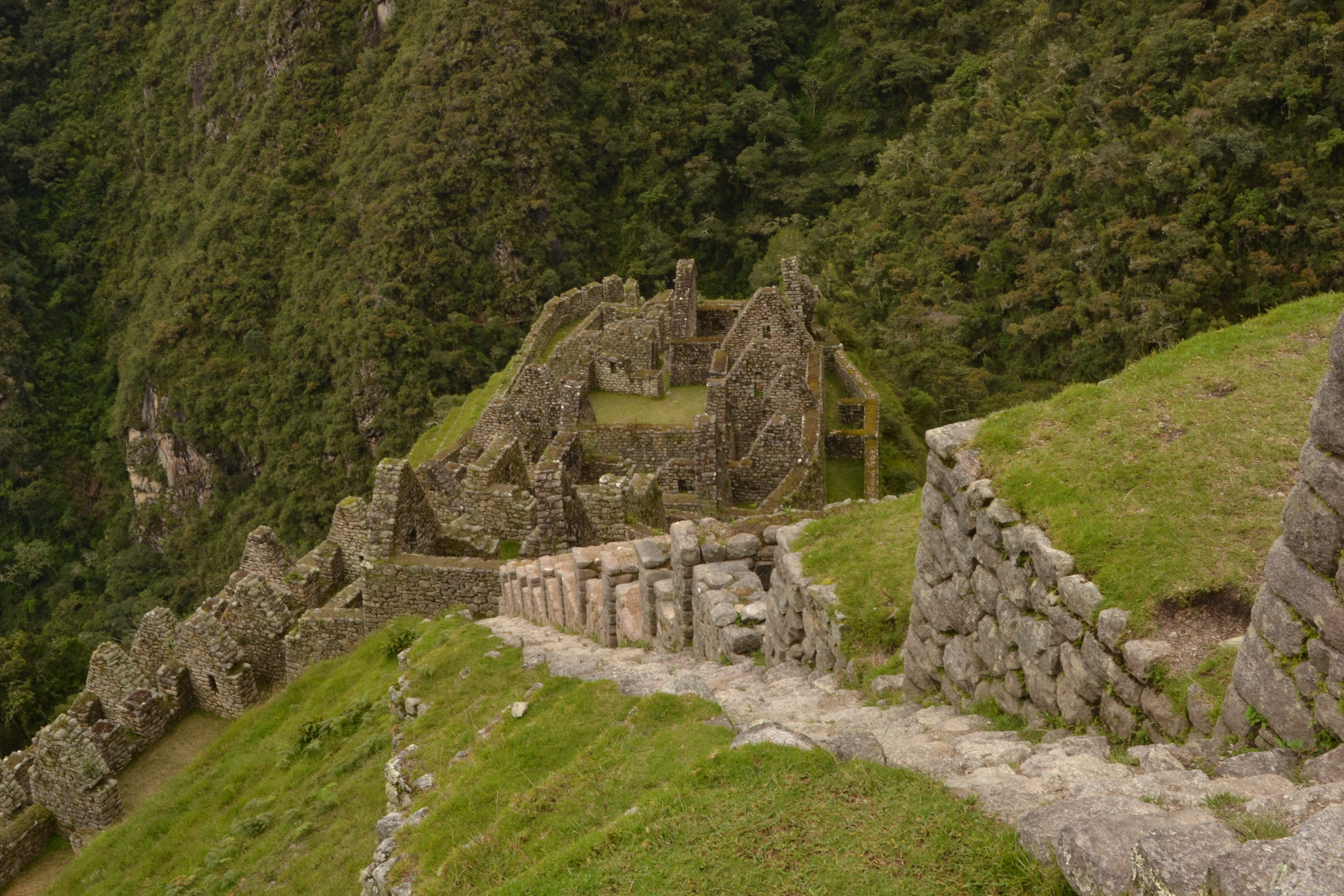
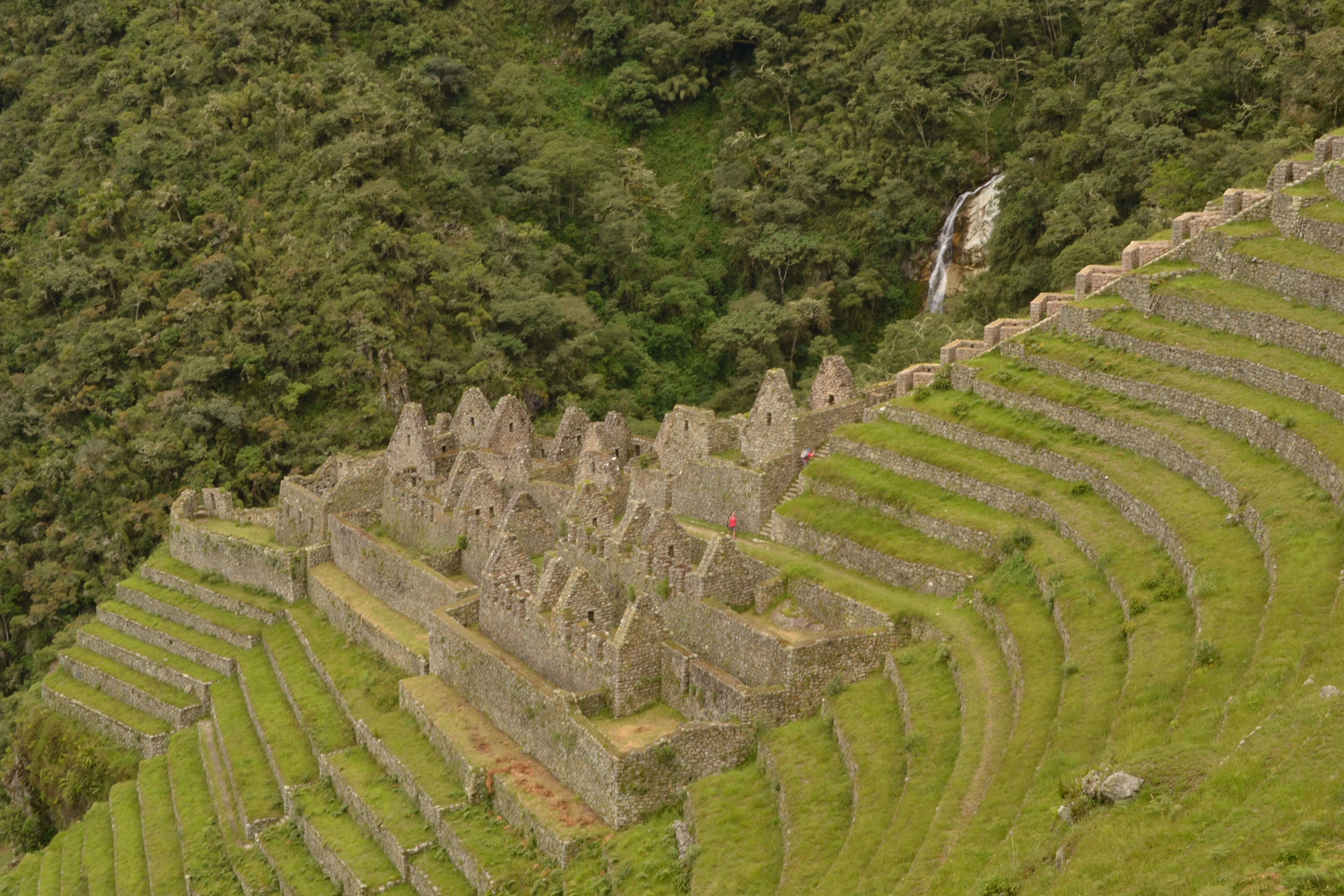
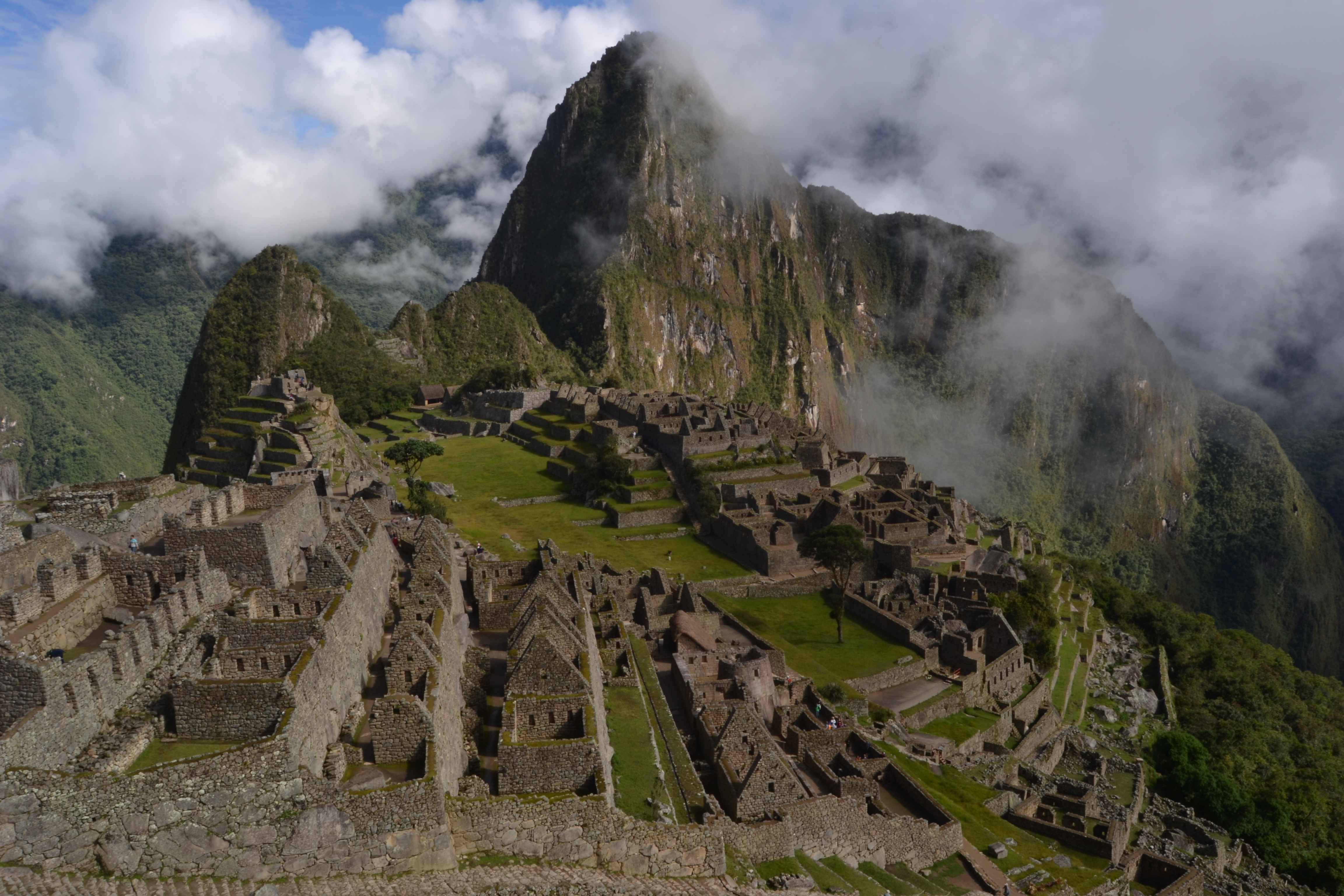
The Inca Trail to Machu Picchu

DSC_0474

The train rattled alongside a furious river hemmed in by mountains as Andean flute music wafted from speakers above. Then it stopped, nowhere, just like a British train…except that this one was meant to.

Excuse me, esir, you need for to get off

What?”

You do the Inca Trail, no?”

Oh, yeah.

There was no station, no platform: we just opened the door, dropped to the track and crunched through the gravel until we got to a bridge more rickety even than any I saw in Laos. It swayed and creaked as I hurried across the rotten slats, expecting, any minute, that one would give way and leave me dangling over the river.

DSC_0489

It takes three or four days to walk the length of the Inca Trail, but we were cheating a little and starting two thirds of the way in. That still left a long day’s hike.

The trail led relentlessly upwards, snaked round the mountain, and continued upwards, until we had left the valley we started from way below and the river was but a scribble and the train track a toy shop display. We scrambled up Incan terraces, passed waterfalls which plunged gorgeously down the face of the rock, and looked across at the neighbour mountains carpeted with trees, and paused to contemplate flowers which erupted from the ledge in shocks of yellow and orange, and pink and red.

Once we saw porters from the four day trail, running down the mountain with mules-worth of weight on their backs. They carry the tents, the chairs, the stoves, the gas bottles and food so the tourists need not worry about weight.

DSC_0531

It started to rain and the clouds slipped down and filled the valley like expanding foam and, for an hour or two, we were walking above them.

Bepe, the guide, kept stopping so we had a chance to catch our breath and he had a chance to share his passion for orchids; but I wanted to press on and did, until I came to a sign with a picture of a bear and some text I did not understand and jumped to the wrong conclusion.

I had just read Bill Bryson’s A Walk in the Woods, in which he worries his way along the Appalachian Trail thinking about bear attacks. But there are no grizzlies in Peru, it turns out, just the spectacled bear: a shy little thing you would expect to have petite-bourgeois manners from the fifties and a bag full of marmalade sandwiches. The sign was urging the walkers not to bother the bears, not warning the walkers that the bears might bother them.

DSC_0532

I went ahead again, and passed a hard-looking man who glared from a step, and I remembered something I had read in a guidebook about muggings along the trail. Three more men emerged from shelter when I climbed up the steps of Inti Punku, the last but one of the ruins on the trail. “Buen’ dias,” one growled and I looked back with relief to see Bepe and the others at the foot of the steps.

Who were those dodgy bastards?” I asked after we turned the corner.

“The rangers,” Bepe said.

“Oh.”

“They’re making esure that nobody is still walking when the trail closes.”

“Ah.”

We would, he said, have had a good view of Machu Picchu by then, if it were not for the clouds. I thought he might have kept that to himself. But as we walked on, the clouds dissolved and the iconic image materialised before us, just as it is in the brochures. It was a magical effect.

DSC_0557

© Richard Senior 2015
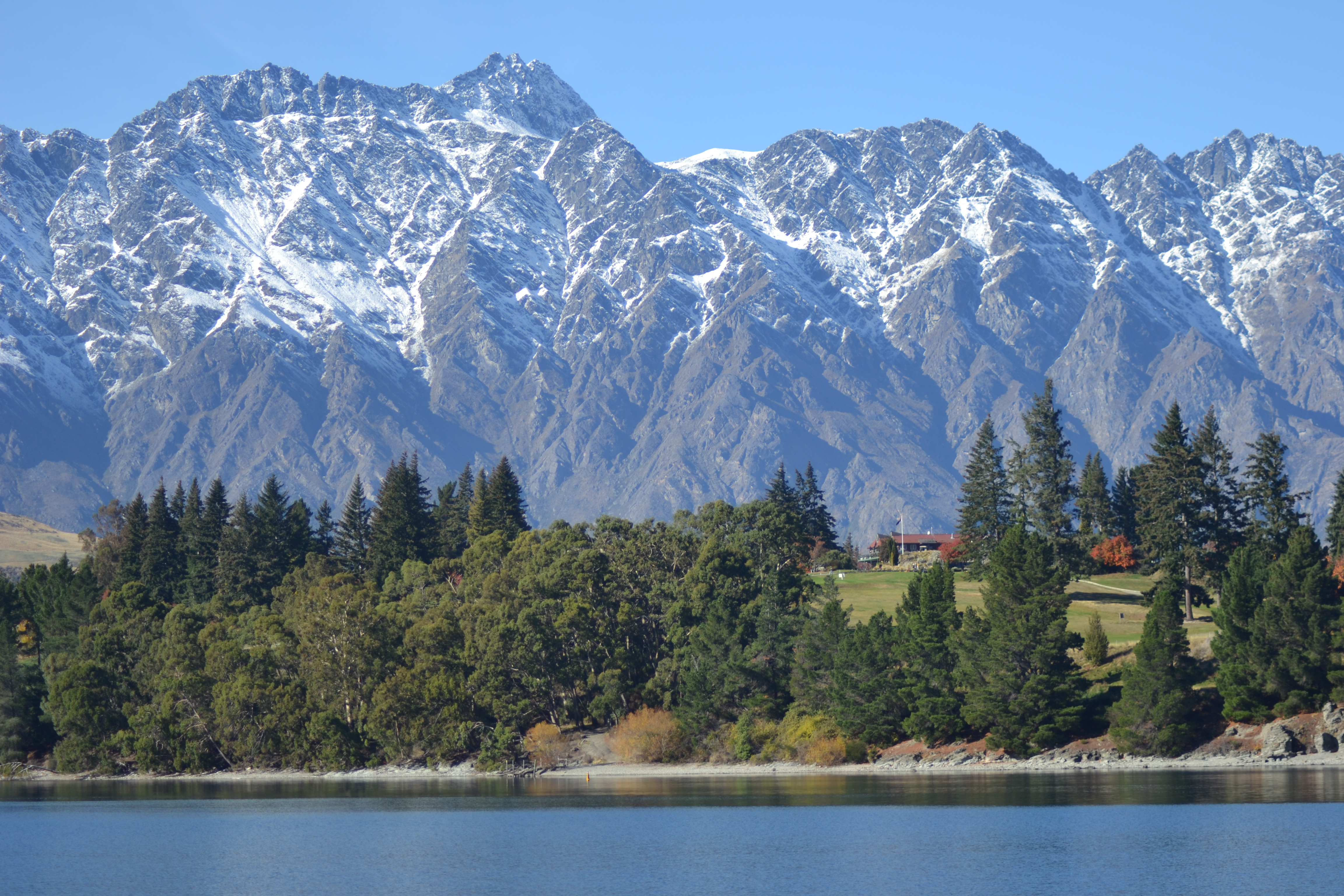
Queenstown in May

DSC_0170

It was off-season in Queenstown. The sun had apparently been packed away for winter. The mountains were hidden under cloudy drapes. The glorious colours I had seen on the postcards had been taken off display. Tarpaulins were roped across the decks of the sailing boats at anchor on the lake. They had not been touched for months. Even the notorious bars were quiet. I had no winter clothes, so wore everything I had at once, and sat with my back to storage heaters while I was in the hostel.

The jet boats were still taking groups out, and I heard there was whitewater rafting nearby; but it was unthinkable, at that time of year, to do anything which soaked you through. There was bungee as well, but I am too cowardly for that. I took the cable car up Ben Lomond to ride the Luge instead.

The track winds steeply around the mountain and propels you through tunnels and over humps and round banked corners as you barrel along it in a three-wheeled cart. There is a ski lift, then, to take you back to the top so you can do it again and again. There had been a frost in the night and whenever I approached a corner too fast – which I usually did – I went round it sideways and careered into the buffers around the edge, then wobbled back onto the track.

DSC_0152

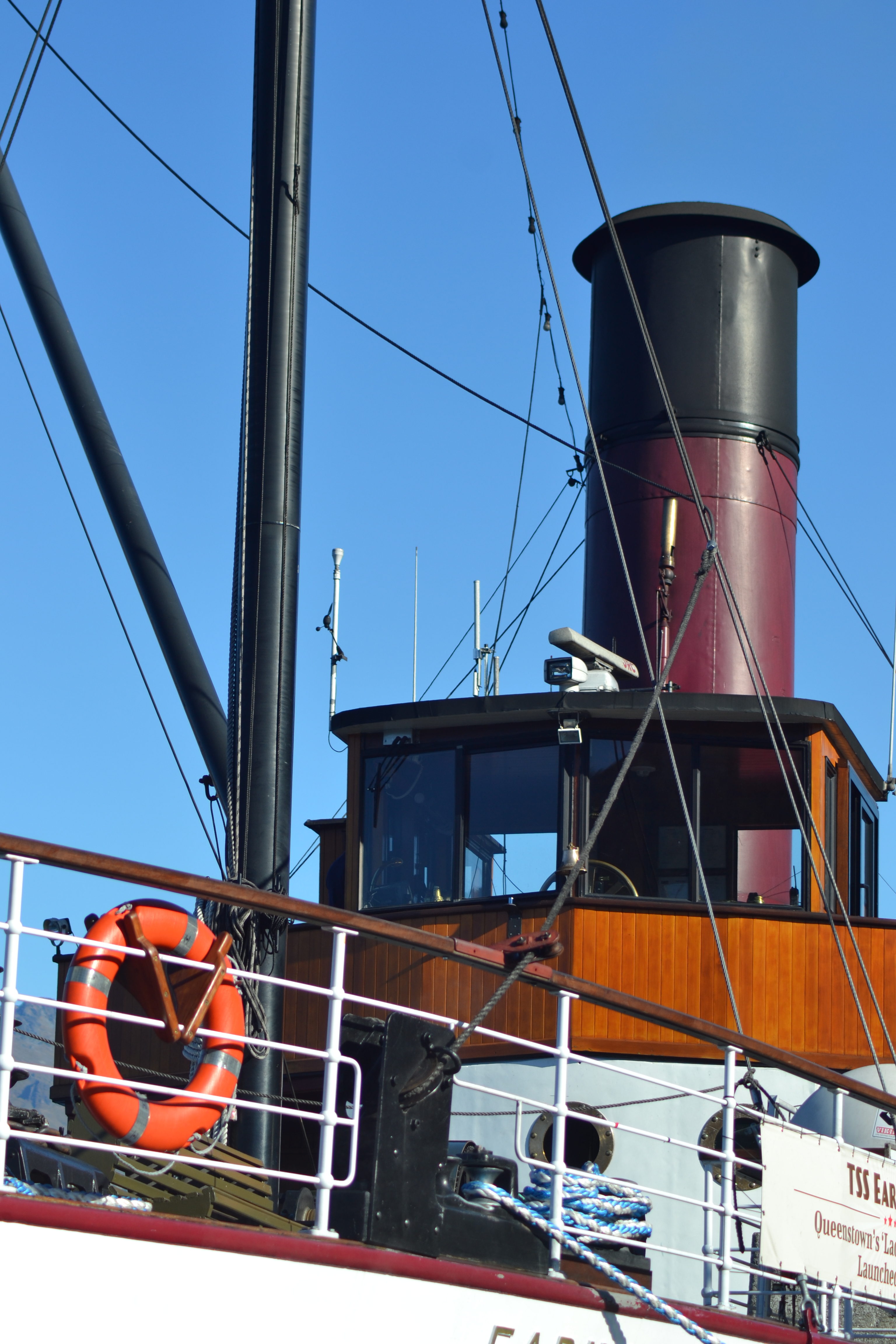
The clouds began to peel away as I waited for the cable car down. It exposed the creases and folds of the mountains and the glorious pallet of colours in the landscape: the dark, dark green of the pine forests, the vivid blue of the lake; the burgundy and green of the heathers; the purple-grey Remarkable Mountains with their white heads stuck in the residual clouds; the wine red leaves, the raspberry leaves, the yellows and oranges, and bronzes and tans; the lime green lawns and the yellow wild grasses. A steamship eased itself across the lake, a stroke of white on a canvas of blue, with a curl of black smoke trailing like a streamer from its funnel.

TSS Earnslaw was built in Dunedin in 1912 and has worked Lake Wakatipi ever since. In the early days, it carried sheep to remote farms which had yet to be connected by road. Now it carries tourists.

You can go stand in the engine room and get in the crew’s way if you like. (They will just shove past you.) The ship was built a long time before health and safety was invented, and the space is crammed with exposed parts which are hot, or sharp or moving. There are big brass gauges and oversize bolts and levers which need swinging on to move.

DSC_0152

A stoker humps coal into the belly of the engine, while another walks round with an oilcan and squirts everything he sees to stop it from seizing up. He turns wheels, opens vents, throws levers, and – after a busy five minutes – the engine begins to chuff and snort and shake. The engineer calls in to look important, wearing white overalls to show that he never has to do the grunt work himself. He points and gives orders and then flicks the telegraph to full ahead and the ship powers across the lake at four knots.

The sun stayed out but the temperature never crept much above seven degrees. The cold seared into my bones. It is a beautiful place, but I was rather glad when I ran out of time and had to head back up to Auckland.

© Richard Senior 2015
A Fresh Look at Bangkok

DSC_0210

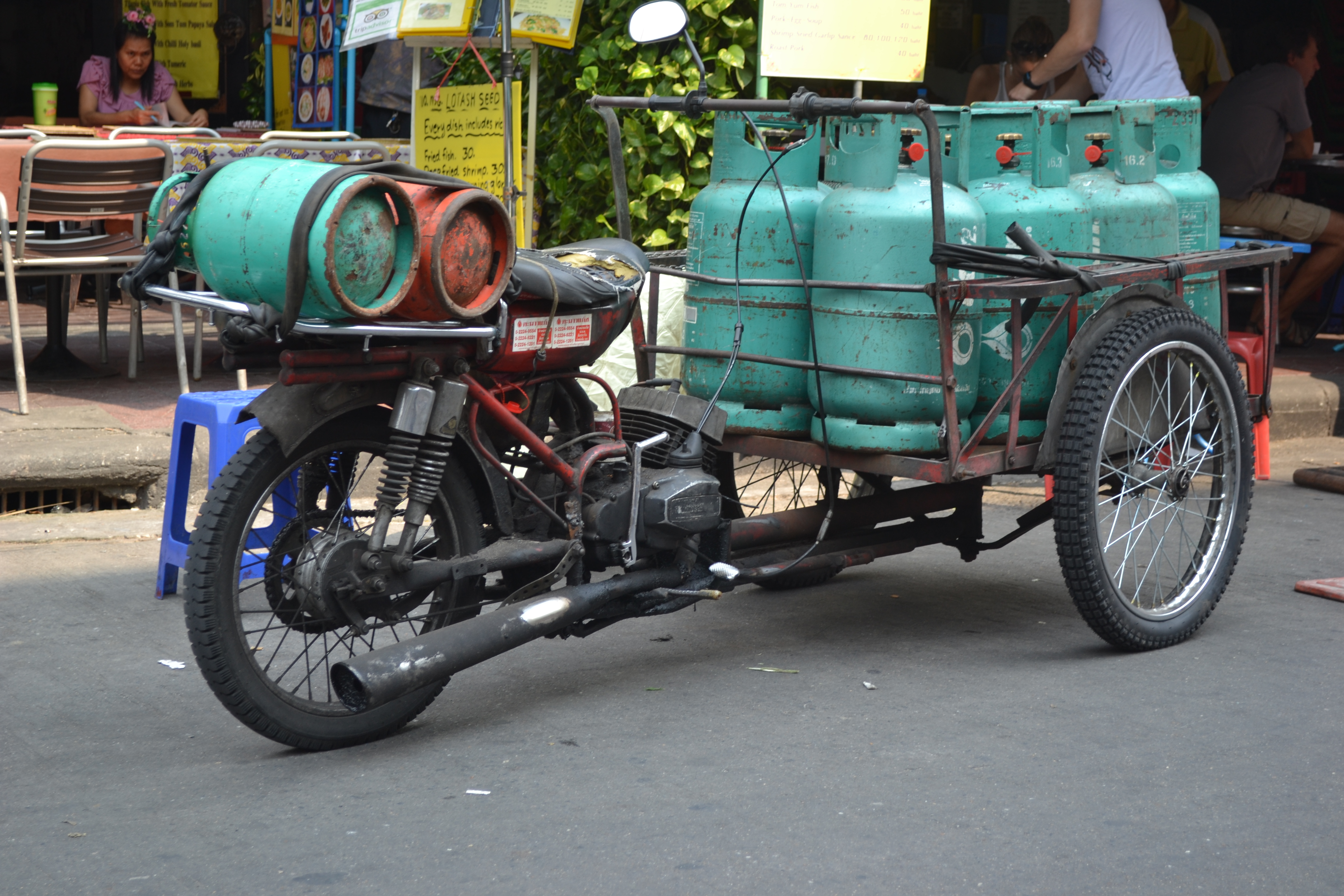
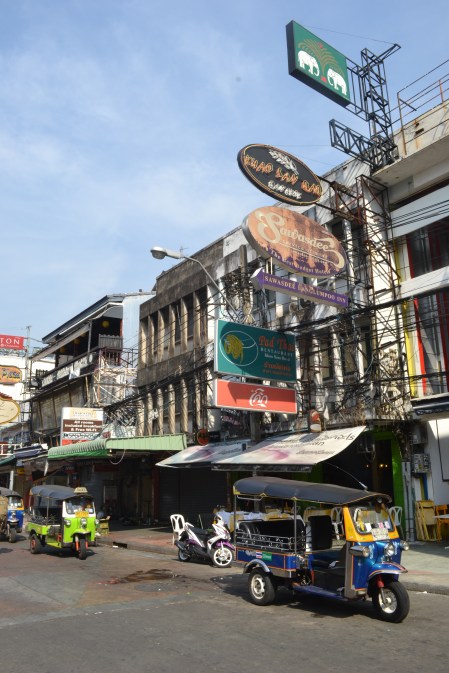
The fruit vendor woke me up when she drove her van down Soi Rambuttri, calling out through a megaphone attached to the roof. The brush seller came after her on a motor tricycle with a putt-putt engine and hee-hawing horn. He had bottle brushes, paint brushes, wire brushes, flue brushes, and every size and every colour of sweeping brush. But no one was buying brushes that morning.

The shopkeepers had rattled up the shutters a few hours before; the barmen had dragged the chairs and tables back onto the street. Travellers sat at a few of them with coffees, cigarettes and Lonely Planet guides; the rest were empty as yet. Tuk-tuk drivers were massing outside the guest houses, like reporters at the home of a shamed politician.

An early ice cream man pedalled past my window on a tricycle with an icebox slung from the handlebars and a tinny chime which suggested a theme from children’s TV. Dee-de-dee; dee-de-dee; dee-de-diddly-dee-de-dee. Behind him was a man with a hundred year-old pushcart piled up with watermelons, who dinged a bicycle bell on the handle as he shoved it down the street. No one was buying watermelons either.

DSC_0058

The street food vendors had claimed their pitches along Rambuttri, around the corner and down the next street. The pad thai, the spring rolls and satays are familiar enough to the travellers passing through, but the rest is new and not all of it welcome, least of all deep-fried crickets and bamboo worms. Thais like them well enough, but if you tell them we eat snails in Europe, they are disgusted.

By the middle of the morning, the roads were an anarchy of honking buses and beeping cars and crazy, fearless motorcycle taxis darting around them; and the pavements were crowded with people and everybody was constantly in somebody’s way. But there were none of the hundred explosions of temper which punctuate every British day, and too readily end in a whirl of fists and knocked over tables. No one seemed to mind very much if someone bumped into them or stood in their way for a moment. And it is easy to say something glib about Buddhist serenity, but it is as much about keeping face.

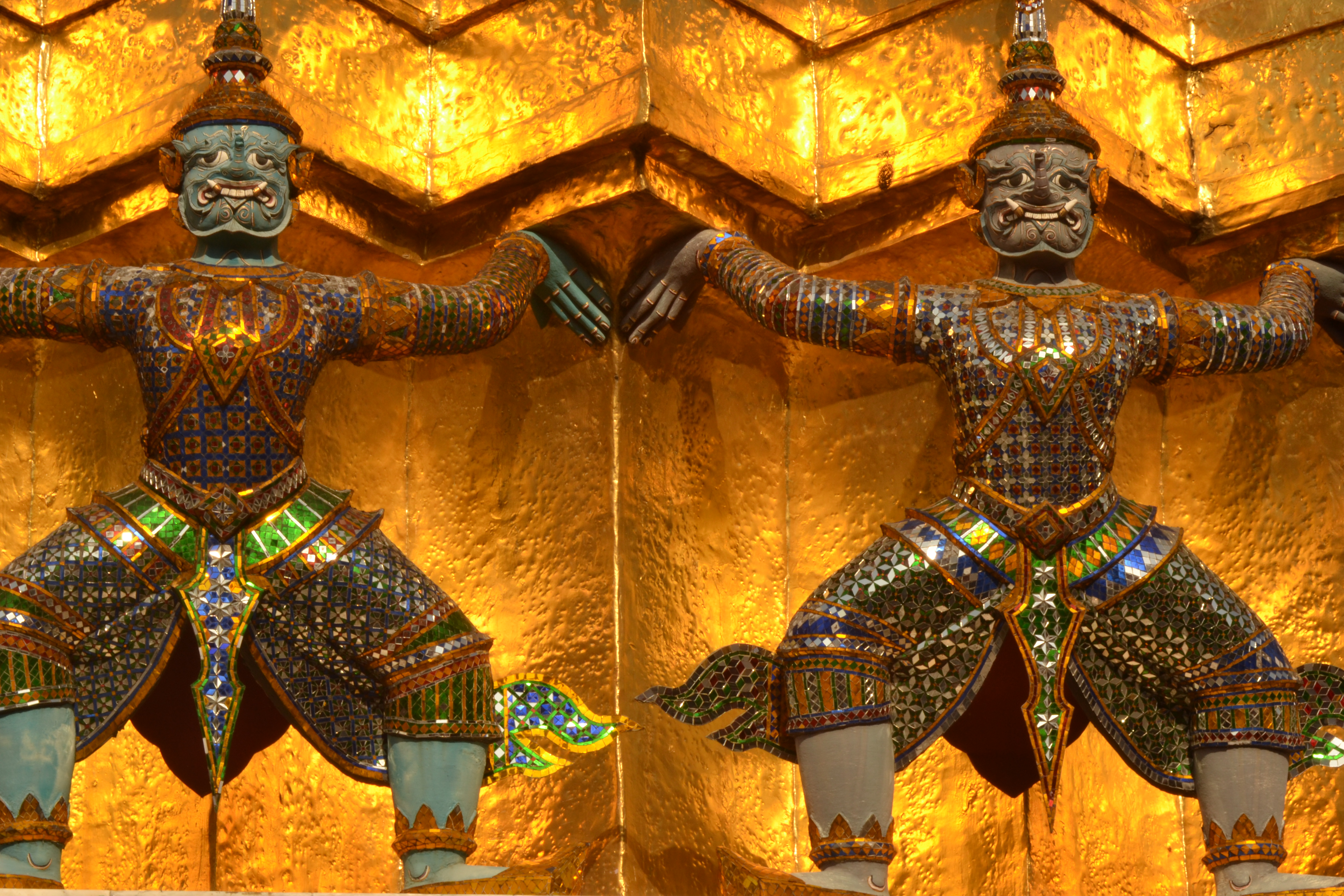
The soaring eaves and gilded stupas of Wat Phrakaew and the Royal Palace shimmered in the haze at the other side of the Sanam Luang public gardens.  There are something like 500 temples in the city and monks are as much an everyday sight as nuns in Rome and estate agents in London.

DSC_0610

There is a long stretch of pavement near the most important temples filled with dozens of stalls selling amulets. The devout believe that they keep them safe or bring them luck. There are effigies and statuettes, medals and coins, bracelets and pendants, stones and used false teeth. Collectors peer at them through magnifying glasses. Groups of monks browse the stalls. Travellers stop and finger the amulets and pretend that they know what they are looking at.

A few blocks away, there is a street on which the shops sells nothing but Buddhas. There are tiny Buddhas and enormous Buddhas and all sizes of Buddha in between; there are sitting Buddhas and lying Buddhas, fat Buddhas, thin Buddhas; Buddhas made of plastic and Buddhas made of steel. Then, next to that is a street on which every shop sells policemen’s caps.

Elsewhere, there are workshops crammed with boxes and drums, bicycle frames, engine parts, pieces of wood and old bathroom fittings, and right in the back there will be an old man engrossed in repairing a pocket watch or stripping an alternator down. Who knows what his business is? There is never a sign (even assuming you know a ช่าง from a ช้าง) and it is often hard to see any connection between the things inside; much of it looks like junk.

DSC_0020

I know that, a couple of miles downtown, there are forests of office blocks which could be in Manhattan, and malls which might be anywhere in Europe, and all your favourite multinationals; and I know that the younger Thais might speak idiomatic, American-accented English, and eat at McDonalds, and stream the same movies and listen to the same music as us.

Yet travellers are way too quick to write off Bangkok as ‘Westernised’. So many people said it to me, so automatically, that it was obvious it was no more a view they had come to themselves than when the man in the pub recites something he read in a tabloid about the economy.

For all that is familiar, there is a great deal that is not; and plenty is all but unfathomable for the average farang traveller.

© Richard Senior 2015
A Hostel Environment

DSC_0227

I was woken at six by the sounds of five people simultaneously stripping beds, emptying lockers and stuffing things into backpacks. Zip – rustle – bang! – thwock – zip – rustle – zip – clang! – zip –  thump, thump! – crackle – zip. 

But they whispered so as not to disturb me.

I had the dorm to myself for most of the morning until a big scowling bloke burst through the door. “Hey, mate; how you doing?” I said, and he glared and said “all right, mate” in a sepulchral tone which made it sound like a threat. Then he collapsed on his bunk, groaned and muttered, jerked and bucked and I wondered if he was drunk, or insane.

I left him to it and he was asleep by the time I got back in the early evening, and I crept around the dorm to be quiet, but I was obviously not quiet enough. “Fuck! Fuck! Fucking-fuck!” he said, as the sleep began to wear off, Then he sprung upright in the bunk and said, “Fucking-fuck, mate! Fucking-fuck!” as if I had just crashed into his car. It was some of the most creative swearing I have heard since a farmer near the village in which I grew up paused to swear in the middle of saying the name of the nearest town.

So I left in a hurry again and went up to the roof terrace where they were having a barbecue and stayed up there until late. Then, at four in the morning, Fucking Fuck’s mobile rang at the volume of a fire alarm and he took the call, had a loud conversation, stumped out and slammed the door.

I went back to sleep for ten minutes or so until I was woken by urgent hammering. I guessed that Fucking Fuck had forgotten his fob – I had done it myself a few times – but it was another, much older guy, who might have been Fucking Fuck’s father. “Is Andrew up yet?” he asked loudly, as if it were quarter to ten. Then he invited himself in and shouted “Andrew! Andrew?” prompting groans and sighs and symbolic turning over from all around the room.

I told him that Andrew had left already and I never saw either of them again.

© Richard Senior 2015