Journey through Zimbabwe, Part 4

DSC_0139

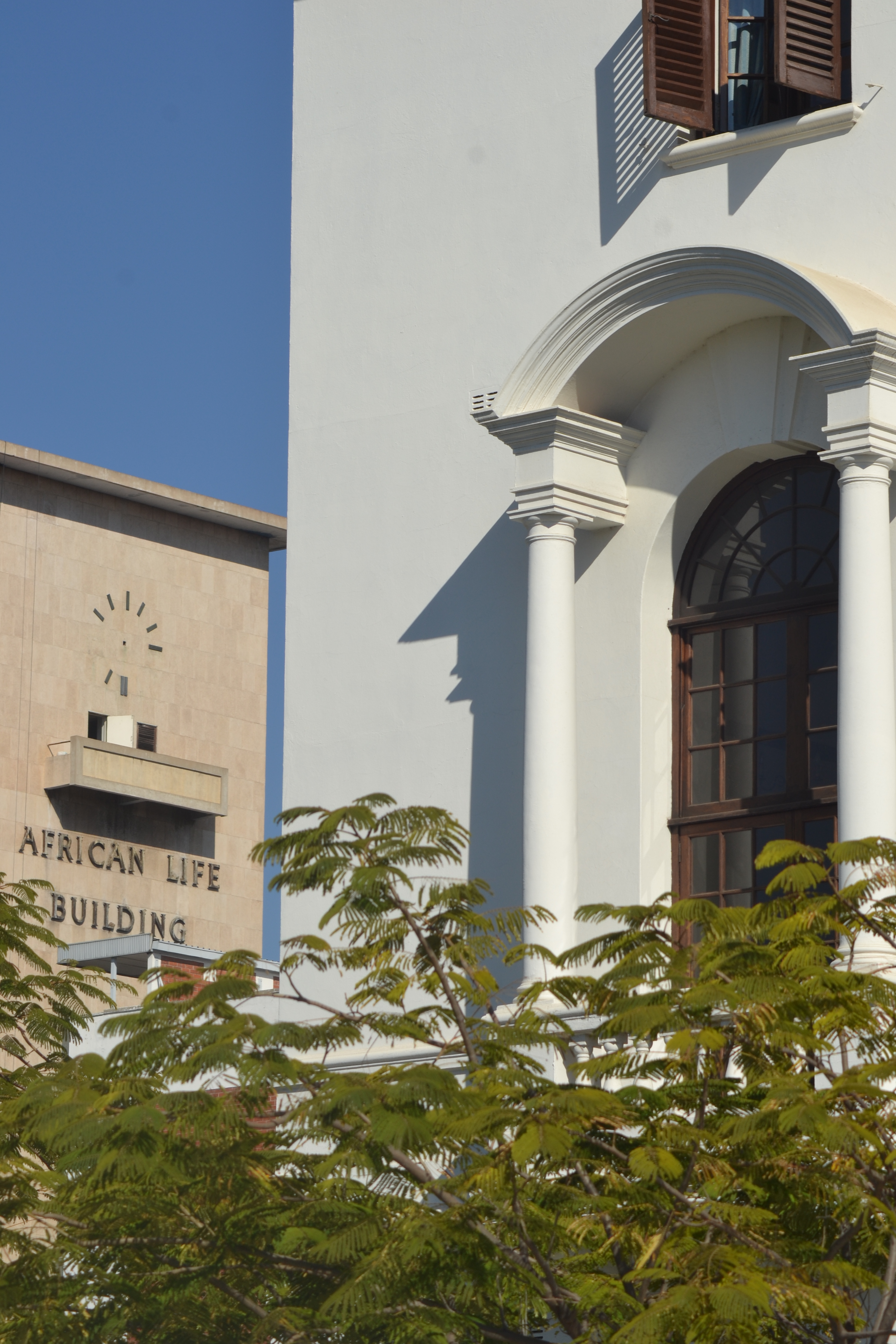
From Masvingo, we drove 150 miles west to Matabeleland and stopped in Bulawayo.

Like a ghost sign on a gable end, old Rhodesia is still plainly visible in the shabby-gentile second city. The Palace Hotel, where Henry Morton Stanley reportedly stayed in the 1890’s, is still open for business. “Scarcely suitable for gentlemen,” he is supposed to have said, “let alone ladies”. It is not as good as that anymore, though.

The joke in Rhodesia’s last stubborn years was that, when international flights came in, the pilots announced, “We are now arriving in Salisbury [Harare] where the local time is 1950”. But that seems like the distant future at the stately Bulawayo Club, with its verandas and courtyards, dark wood and heavy furniture, its chandeliers and hunting trophies, and its 120-year history of giving the right sort of chap a refuge from the wife, the children and hoi polloi: a place for brandy, cigars and snobbery.
DSC_0158

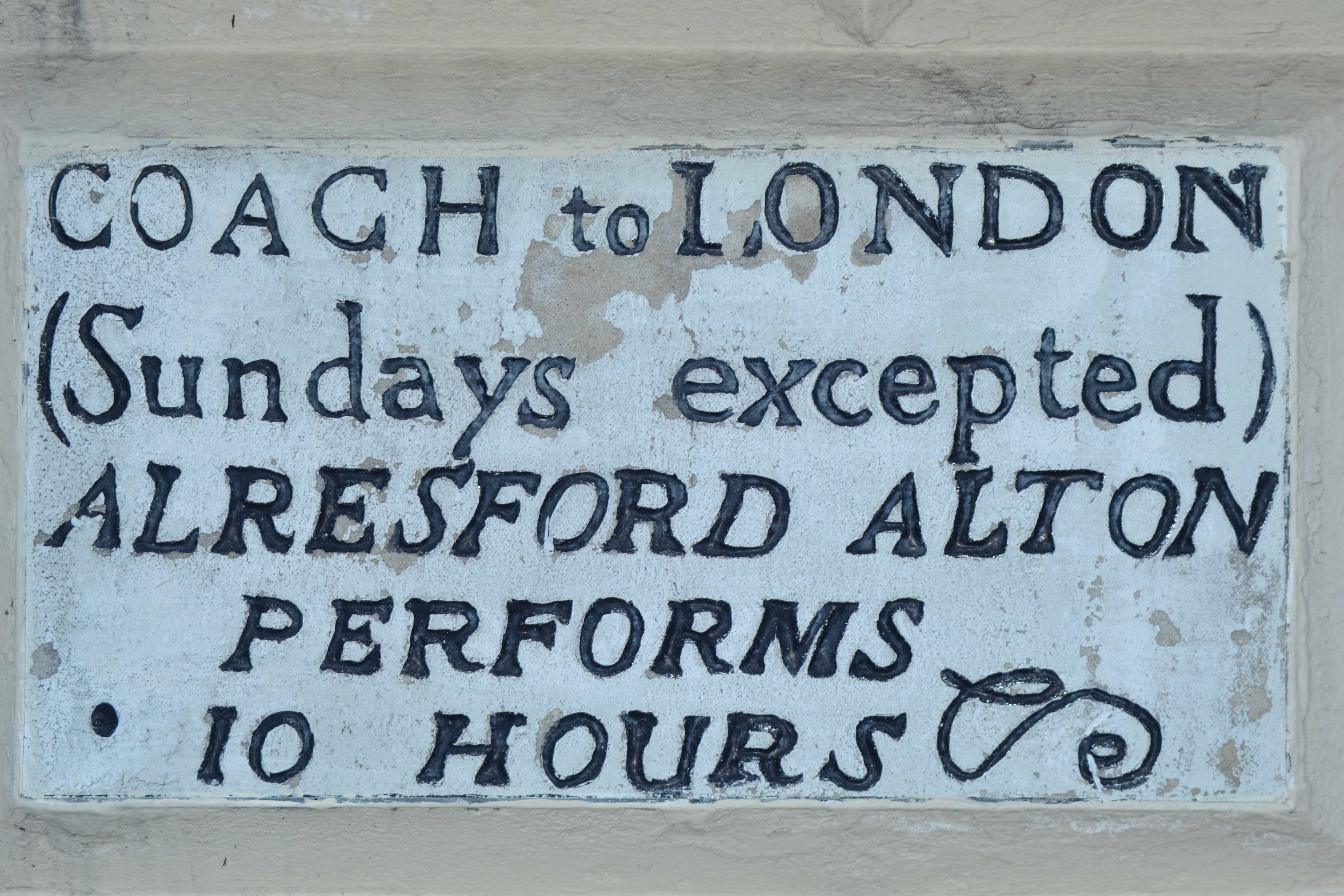
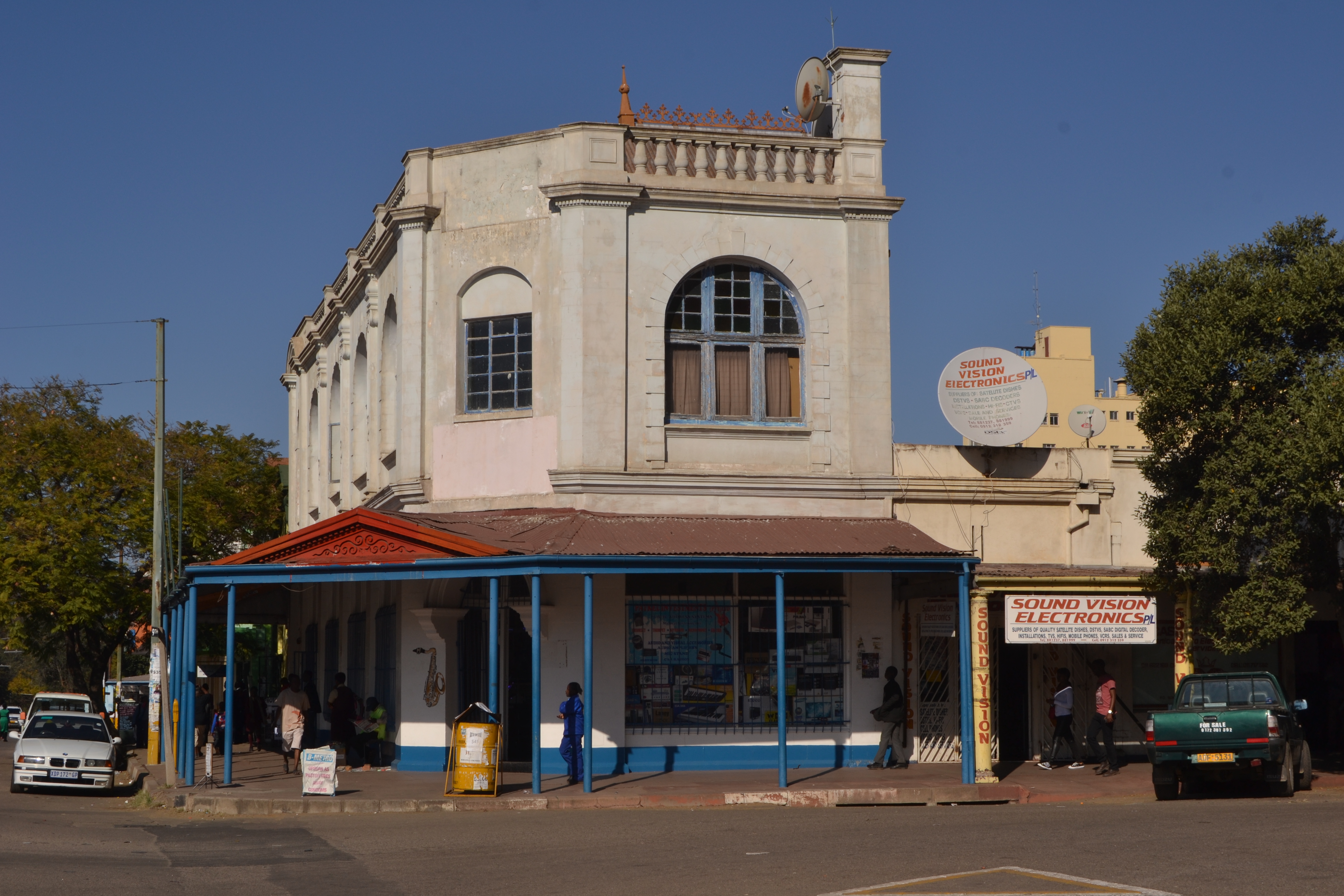
The surrounding streets are lined with parades of Edwardian shops with wrought iron walkways, and signs in Sixties typefaces swinging above the doors: “Le Style Fashions,” “Justin Smith (Pvt) Ltd, the Rexall Chemist”. The paint has faded, the ironwork rusted, the wood is beginning to rot, and the statue of Rhodes which used to stand in the middle of town was toppled long ago; but to outward appearance, little else has changed in the 35 years since Rhodesia was wound up and Zimbabwe came into being.

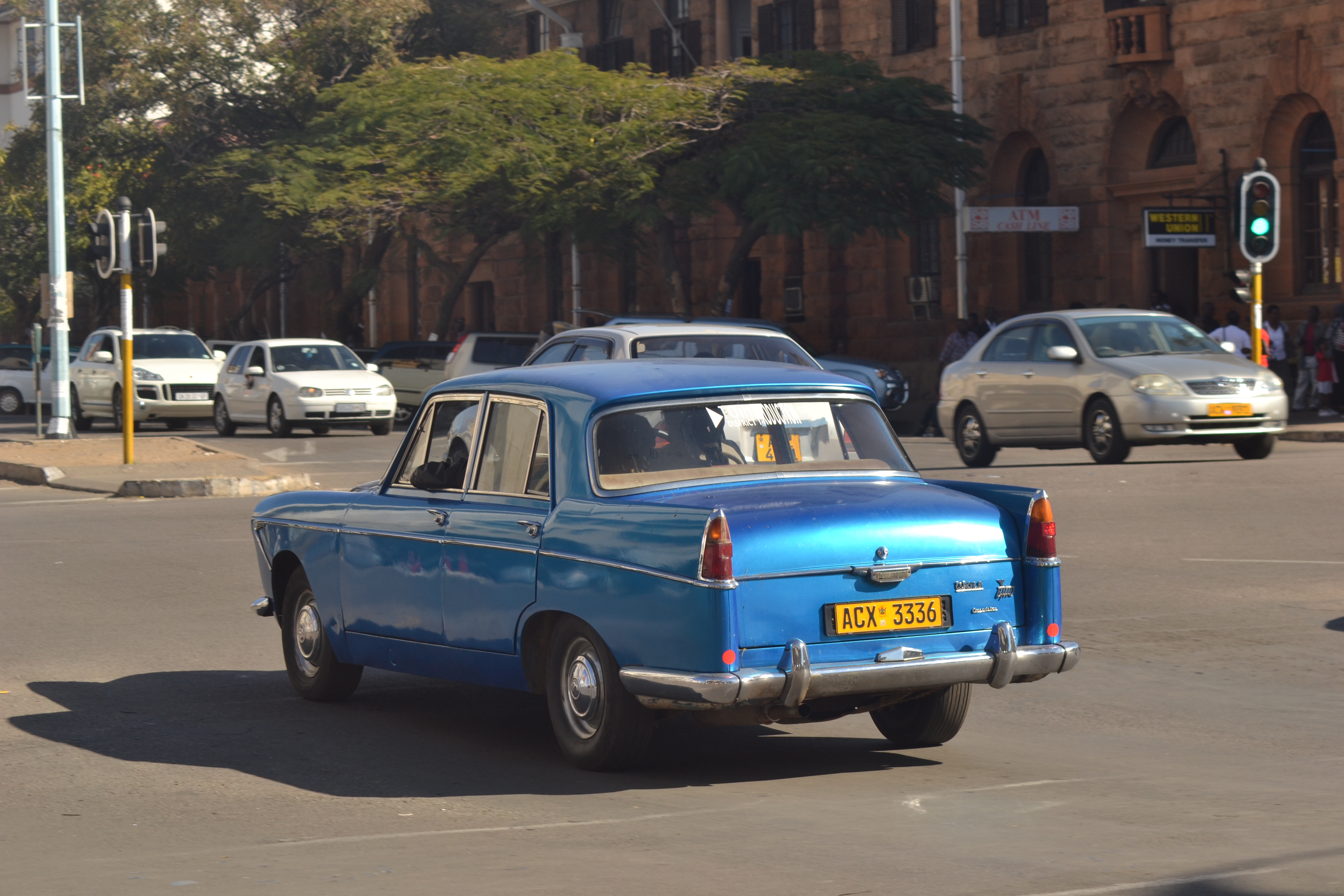
An old Wolseley growled past as I looked around the city centre: a rare classic in Britain, to be polished and taken to shows, but an everyday runabout in Zim. It must have been built sometime around 1960, when the British prime minister spoke in Cape Town of “a wind of change … blowing through this continent,” and signalled the end of the African empire, which entrenched Rhodesia’s white elite, whose prime minister declared that he would “never in a thousand years” agree to majority rule, which in turn led to 15 years of civil war and finally to modern Zimbabwe.
DSC_0129

© Richard Senior 2015

Lies, Damned Lies and Tourist Information

I lived for ten years in St Albans in the London commuter belt. It claims to have more pubs per square mile than anywhere else in the UK. So does Edinburgh. So does York. So does Aberystwyth. And Congleton, Cowes, Glastonbury, Gravesend, Norwich, Pontefract, Portsmouth, Rochdale, Shrewsbury, St Andrews and Weymouth. Nottingham raises the stakes and claims more per square mile than any other city in Europe. But, in Kraków, they will tell you they have more bars per square mile than anywhere else in the world.

Among the fifty-odd pubs in St Albans is Ye Olde Fighting Cocks, which is said to be the oldest in Britain. As is the Bingley Arms in Leeds. And the Man and Scythe in Bolton, the Skirrid Arms in Abergavenny and the Adam and Eve in Norwich. And the Eagle and Child in Stow-on-the-Wold, the Old Ferryboat in Huntingdon, and both the Bell Inn and Ye Olde Trip to Jerusalem in Nottingham.

They cannot all be right. But it is something to tell the tourists.

DSC_0328

There is an ancient earthwork on the edge of town and the archaeologist, Mortimer Wheeler, declared that it could have been where Caesar defeated the Catuvellauni tribe. Sure it could. So could my back garden. But the plaque on the gate maintains that it probably was.

So much of popular history is bunkum. Sir Francis Drake did not casually finish his game of bowls before defeating the Spanish Armada. The Victorians were not so prudish they had to cover the legs of their tables. Marie Antoinette did not tell the poor to eat cake. Washington never said that he could not tell a lie (and you would be suspicious of a politician who did).

But tour guides, like tabloid journalists, never let the truth stand in the way of a good story.

In every historic town in England, the guides will insist that if a Welshman tries to sell you fish inside the city walls on a Sunday, you are entitled to kill him on account of a medieval statute which has never been repealed. Well try telling that to the judge.

DSC_0945

If you go to Australia, you will be told at least once that kangaroo means “I don’t know” in an indigenous language. The story goes that an early settler – sometimes Captain Cook himself – pointed to a kangaroo and asked a local man what it was. “Kangaroo” he replied with a shrug, and thereafter that was its name.

You will hear much the same story about the llama in Peru. ¿Como se llama?  (what is this called?) a conquistador is supposed to have asked. ¿Llama? said the confused indigenous man, trying to make sense of the unfamiliar Spanish. Gracias, said the conquistador and walked away and noted it down for posterity.

Both tales are plainly apocryphal, and linguists have gone to the trouble of debunking them. Yet they are still routinely trotted out to visitors from abroad.

Hiram Bingham, the explorer who ‘rediscovered’ Machu Picchu (the Andean people had never lost it) guessed that it was the birthplace of the Virgins of the Sun. No, no, others demurred, it must have been a prison. Or a royal estate. Or a place of worship. Or an agricultural testing station. Or a drive-through McDonalds. Or a branch office of Allen & Overy. Nobody really knows. But many visitors pay a guide to hypothesise about what each bit might have been.

DSC_0585

In truth, few tourists seem to care whether what they are told is speculation, exaggeration or quite openly made up. There never was a 221B Baker Street. But there is now. It is the Sherlock Holmes Museum, a Georgian townhouse restored to how it wasn’t when Sherlock Holmes didn’t live there. There are always queues outside. When they screwed a sign for “Platform 9¾”  to a wall at King’s Cross station, it drew such crowds of Harry Potter fans they had to move it. But that was nothing compared with the hordes who squeeze into the courtyard to gaze at the balcony outside the house in which the city of Verona pretends that Juliet Capulet lived.

But maybe they have it right and we fool ourselves when we think we travel to learn things. Maybe it is all about entertainment, a distraction from life, an expensive alternative to watching TV.

© Richard Senior 2015

Journey through Zimbabwe, Part 3

DSC_0021

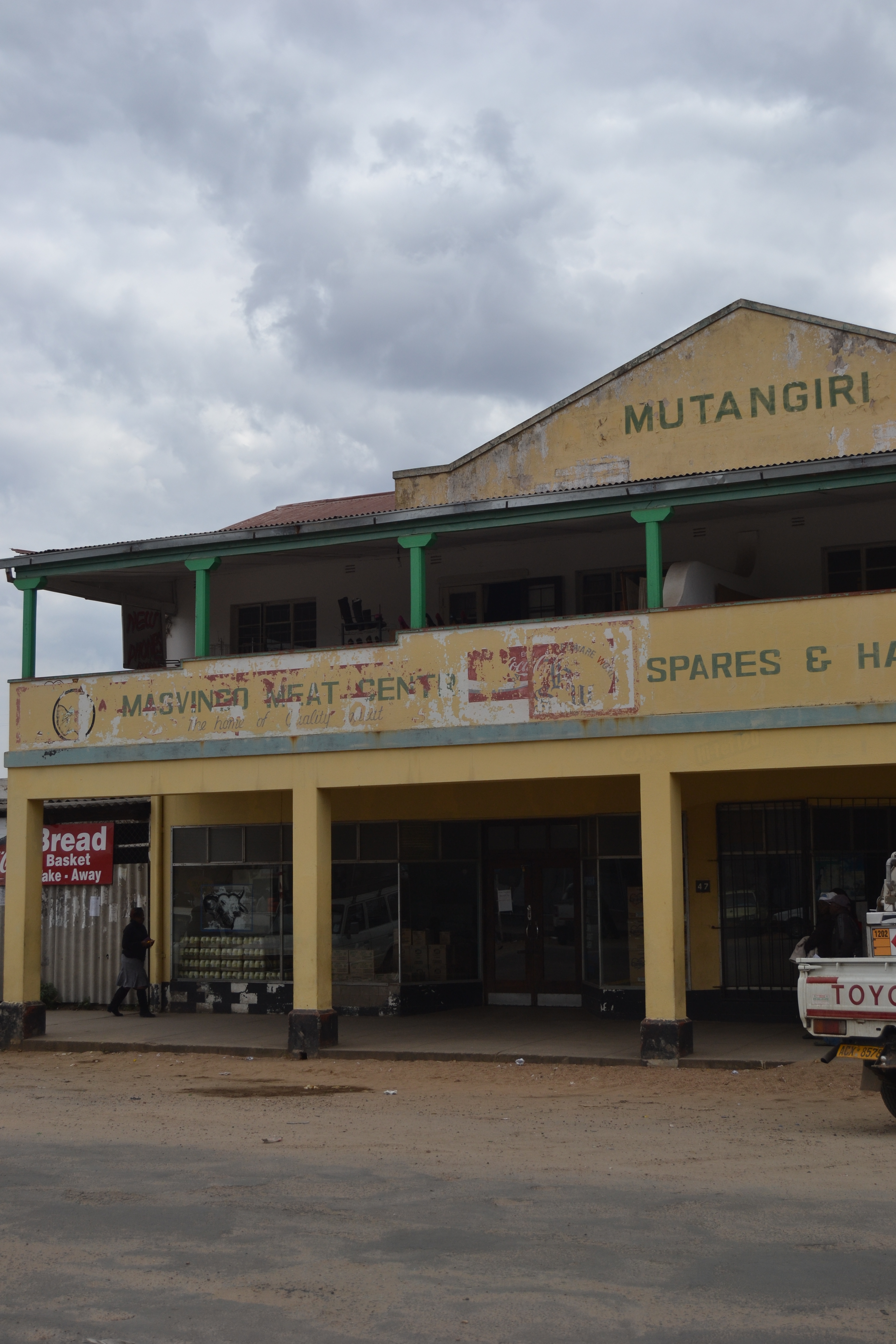
Masvingo is a small, dusty town of functional buildings with scabrous paint and signs mottled with rust.

It never amounted to more than a supply town for cattle ranchers, but it was the Plymouth, Massachusetts of the self-governing colony of Southern Rhodesia, later the unrecognised breakaway state of Rhodesia. Cecil Rhodes’ Pioneer Column set up camp there in 1890 and built the first colonial town. They called it Fort Victoria. The old watch tower and government buildings survive, hidden amongst the low-rise concrete from the back half of the twentieth century.

But, while Rhodesia’s history might have begun in 1890, Zimbabwe’s goes back centuries further. The state took its name from a ruined city to the south of Masvingo, known as Great Zimbabwe, a corruption of dzimba-dza-mabwe: great houses of stone. The oldest part was built around the time of the Battle of Hastings: the newest 400 years later, about the same time as Machu Picchu.

DSC_0052edited

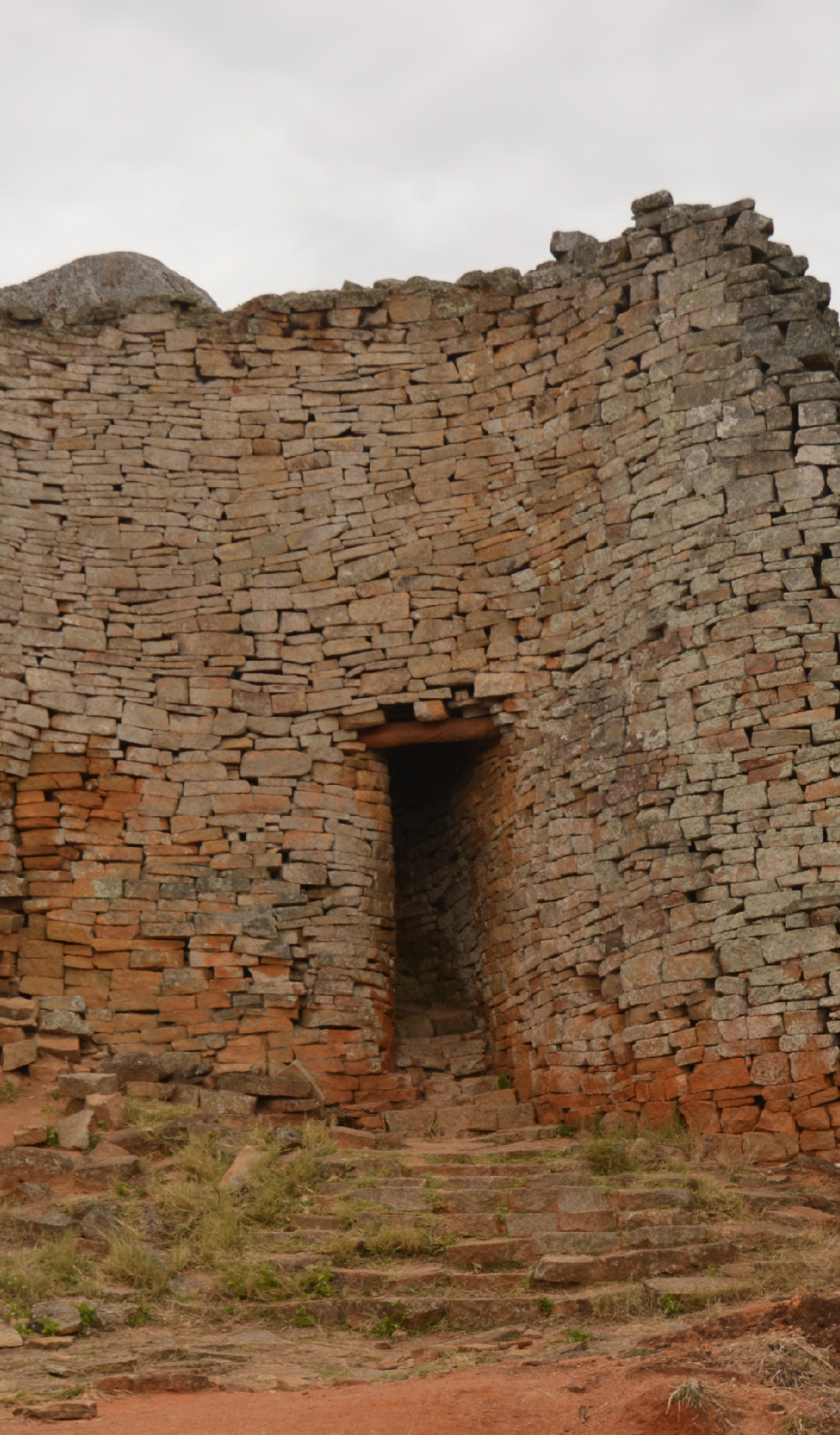
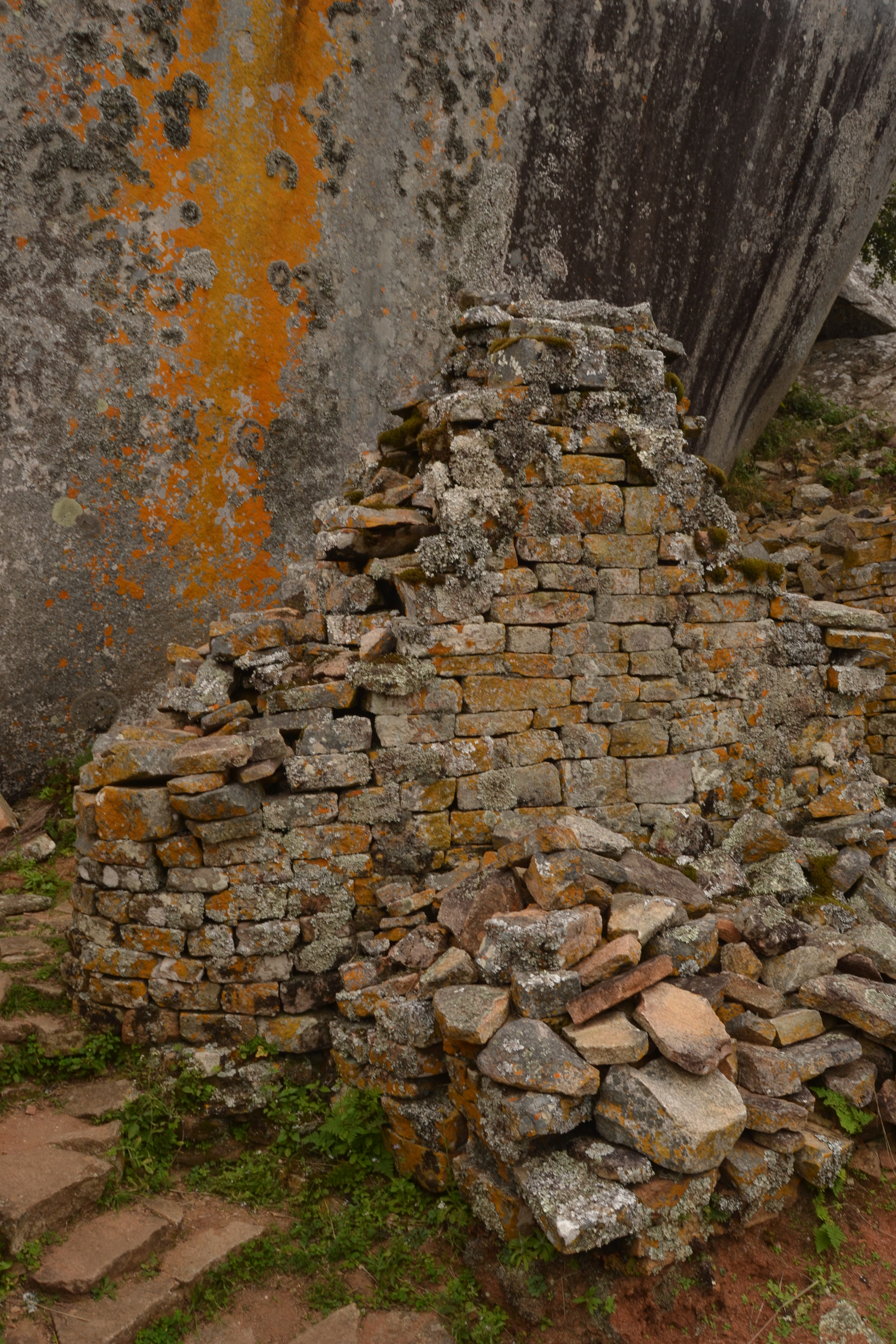
It is a fascinating site, sprawling over 1,800 acres – twice the size of Central Park – with smoothly curving dry-stone walls, speckled with lichen, rising up to 35 feet, and maze-like passages, and trapezoid doorways, and steps wending up between boulders balanced atop one another and emerging in the earliest part of the city – built ten centuries ago – at the crest of a hill overlooking the expansive valley.

It cannot be long before someone influential declares it the Must See sight du jour, and floods it with gushing, purple prose and insists you must see it at sunrise.

DSC_0061

© Richard Senior 2015

Of Poop and Parties: San Pedro de Atacama

DSC_0354edited

They were full of shit.

The islands to the south of Peru were thick with seabird guano. It made excellent fertiliser, and Peru millions. They exported it all over the world. In 1864, the Spanish used a flimsy excuse to occupy the islands, and Peru, Bolivia and Chile went to war with them and won. It was the first time that nations had fought over bird shit.

Then, when saltpetre from the Bolivian desert became even more marketable than seabird crap, a Chilean company secured the right to mine it free of tax. But Bolivia reneged. Talks went nowhere, and they ended up at war. Peru joined in on the Bolivian side. But Chile resoundingly won and shifted its border hundreds of miles north through Bolivia and into Peru. Bolivia lost its saltpetre deposits and coastline; Peru lost some of its guano. There is bitterness about it still, 130 years later.

DSC_0347

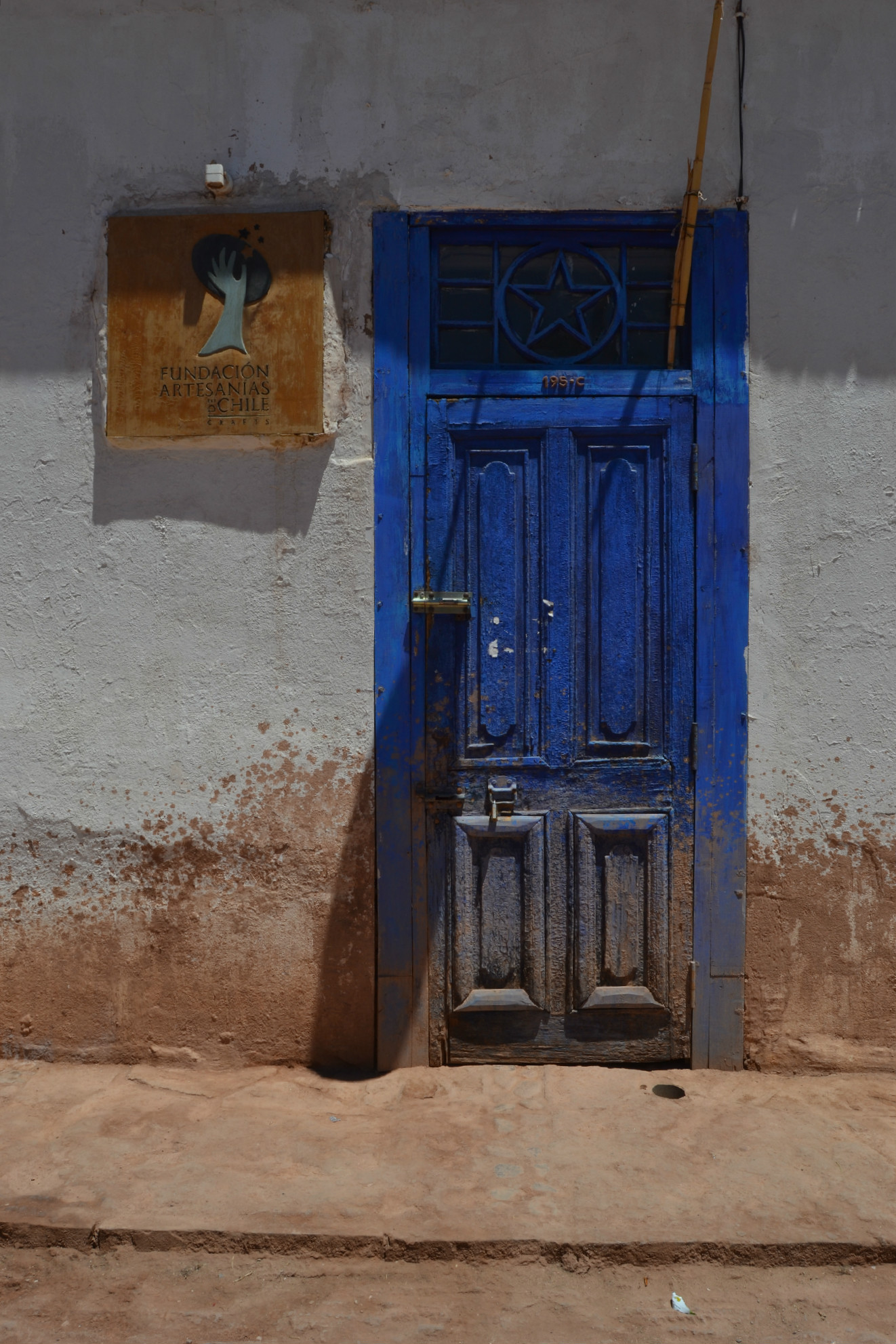
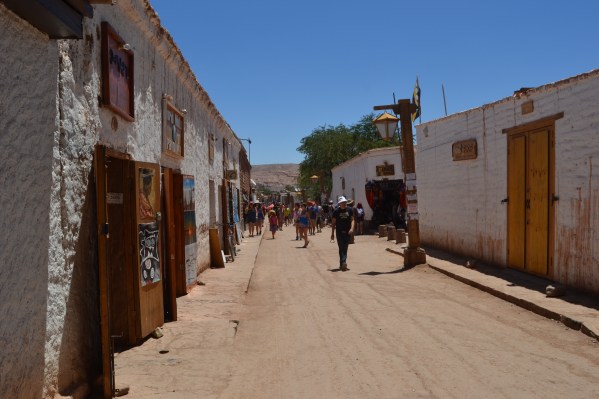
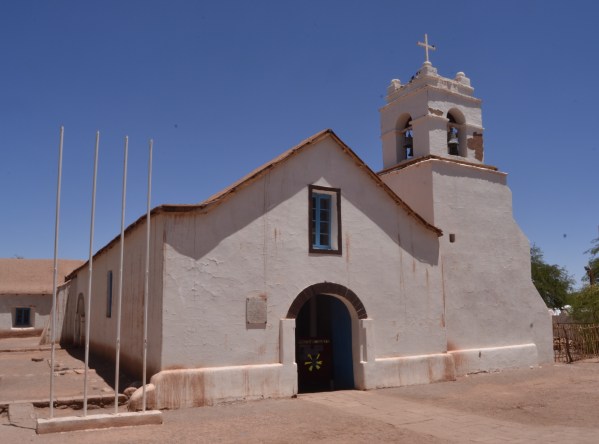
The Chilean army marched on San Pedro de Atacama in 1879 and Bolivia never saw it again. It is an arty, bohemian enclave now, a charming place. Adobe shoeboxes with peeling whitewash and beaten up doors line the main road and half a dozen side streets. The shops sell copper jewellery, textiles and indigenous art. Alternative types sit in the plaza in the shade of the trees overlooking a cute little colonial church.

Two jeeploads of us arrived from Bolivia and, whether it was the waves of positive energy the hippies claim to feel, or the stupefying sun, or just a sense of release after three days driving across the altiplano, everyone seemed to be in a party mood. We went out en masse to eat, swapped stories about scams and overnight buses, and stayed on until late for cocktails.  Some peeled off to their hostels, and the rest of us went looking for a club.

But San Pedro is not as liberal as it seems. There are no clubs, no late bars; in fact, no bars at all outside of the restaurants. There is nowhere to drink legally after one in the morning, and nowhere where it is legal to dance. I discovered that later, though.

DSC_0339

Some locals invited us to a beach party, which was a puzzle because San Pedro is a long way from the coast. Or at least it would have been a puzzle if any of us had been sober. I was not happy with the idea of following them out of town and down a dark lane and away from any houses; but dozens of gringos joined the procession, travellers who had stopped off on their way north or south.

We bought beer from a guy who had stockpiled a few crates and was selling it off can by can, and we plodded up and down the dusty hills, shouting and giggling and talking crap, and the drunkest of our crowd fell over a lot, until we eventually got to the ‘beach’. It was a quarry. The party was a hippie with a Spanish guitar and a bunch of his mates quietly singing along. It was hardly Ko Pha Ngan. But it was all there was in San Pedro.

There was an earthquake next morning which shook the town and knocked things off shelves, but no one who had been to the party noticed. I stumbled out into the blinding sun and trudged in agony to the restobar on the corner, where I ordered two cafés con leche and a medium-sized pizza for breakfast.

My head throbbed, my stomach churned and my mouth felt lined with guano.

© Richard Senior 2015

Forget the Cuckoo Clock


DSC_1387edited

I blame Orson Welles. Him and Graham Greene. That monologue from The Third Man lodged in my mind:

Like the fella says, in Italy for 30 years under the Borgias they had warfare, terror, murder, and bloodshed, but they produced Michelangelo, Leonardo da Vinci, and the Renaissance. In Switzerland they had brotherly love – they had 500 years of democracy and peace, and what did that produce? The cuckoo clock.

I had been all over Italy, and I had been to Vienna and ridden the Wiener Riesenrad, the 1897 Ferris wheel beside which Welles’s character made his speech. But Switzerland had never appealed enough when I had to shoehorn my travelling into a corporate holiday allowance. I imagined it as a dull, pursed-lipped, fur-coated place full of banks and insurance companies.

But this trip was more about the journey than the destinations and Switzerland was on the way home.

DSC_1333

I was not expecting to like Zurich much. I envisaged bloated, smirk-faced men who do something important in banks snarling around town in Ferraris; and haughty women striding between luxury shops. They were there, all right. But so they are in London. There is a lot more to Zurich too.

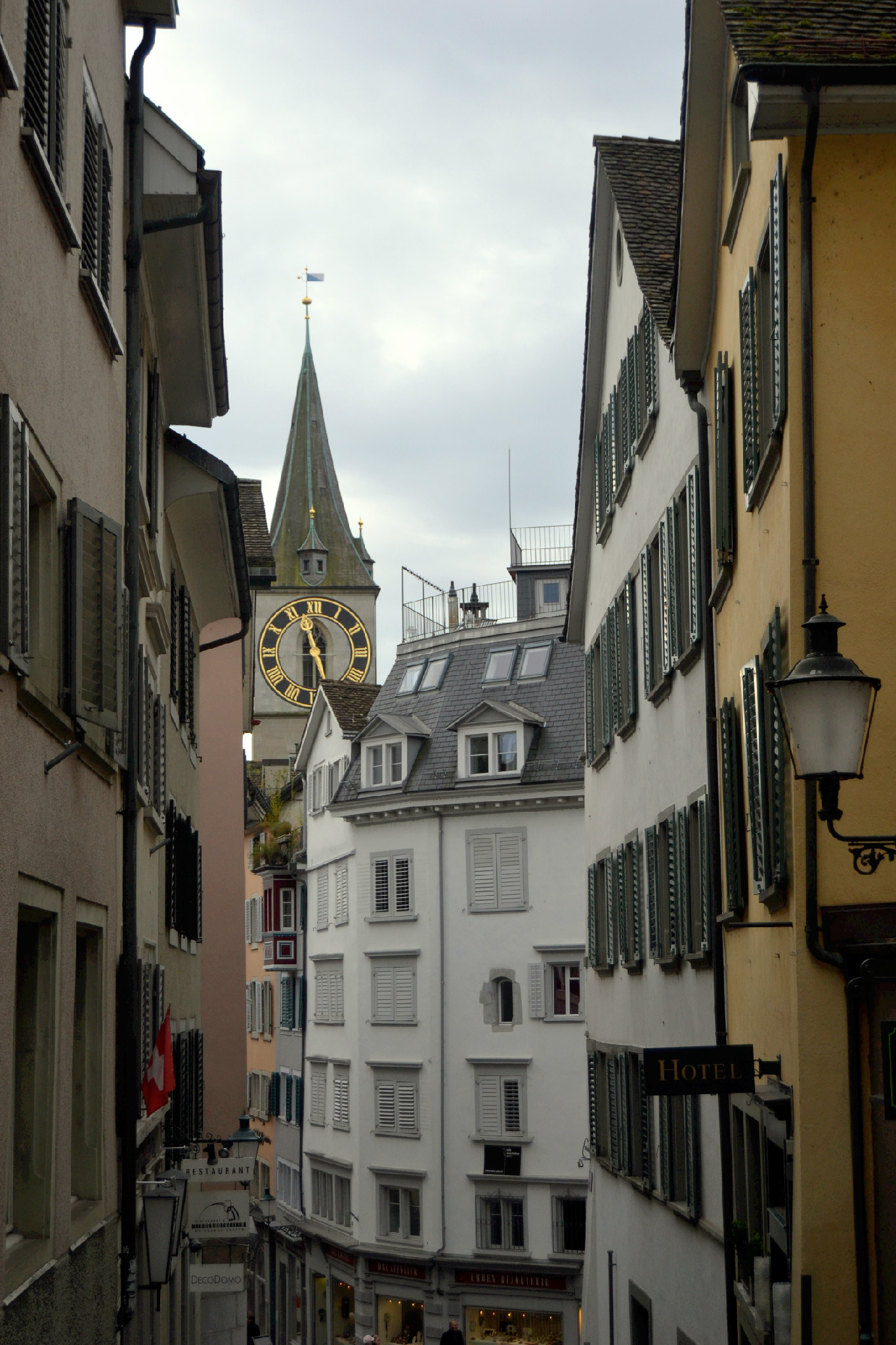
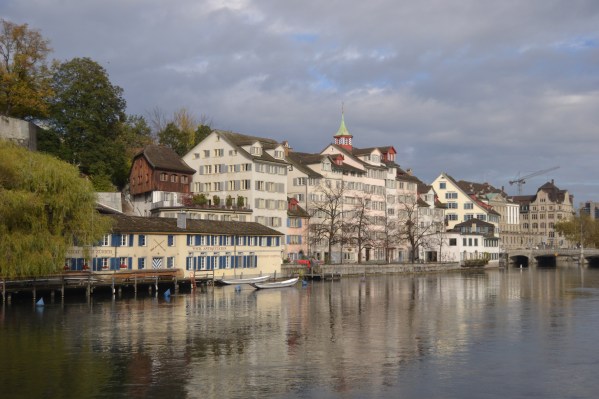
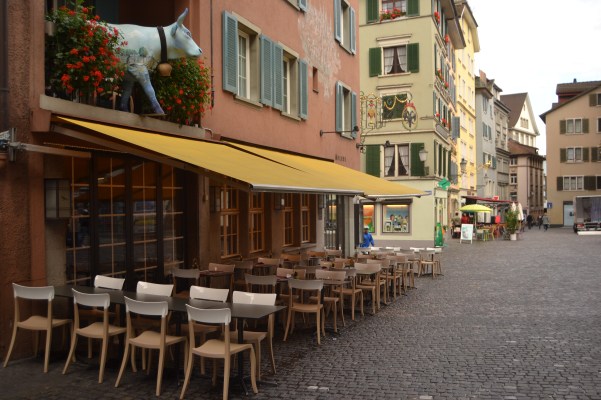
Narrow lanes, cobbles and city walls; buildings painted in faded pastels, dazzling sgraffito, wooden shutters, ornate carriage lamps; a tinkling fountain in every square; shiny black shop signs with the names picked out in gold leaf; a charming deli, a bierhaus, a coffee shop. Sonorous bells, clanking trams, the 6.2 burble of an SLS AMG. A river cutting through the middle of the Aldstadt, emptying into a lake, bordered by a park, reaching out to snow-dusted mountains.

It is far more relaxed than I thought it would be. Bearded hipsters everywhere, funky bars, abstract art, a bedroom DJ mixing EDM above a fusty old whisky shop. There was a man in white tie and tails playing something tragic on a violin in front of a Henry Moore; and another parading outside an optician’s dressed as Charlie Chaplin, for reasons of his own. There was Cabaret Voltaire, where Dadaism started in 1916.

DSC_1302

I sat at an outside table by the river, where the cheesy smell of tourist fondues hung in the air, idly watching as the trams rattled past. I had a fleeting image of passengers facing each other across tables, as at a restaurant, sipping glasses of wine. Surely not? I paid more attention to the next dozen trams and, in each, the passengers were sitting as they would in any other tram anywhere else in the world, and I began to wonder if I was hallucinating, and why. But I saw it again at the stop in the morning. The Fondue Tram, they call it. They serve up cured meats, fondue and wine as the tramcar circuits the city.

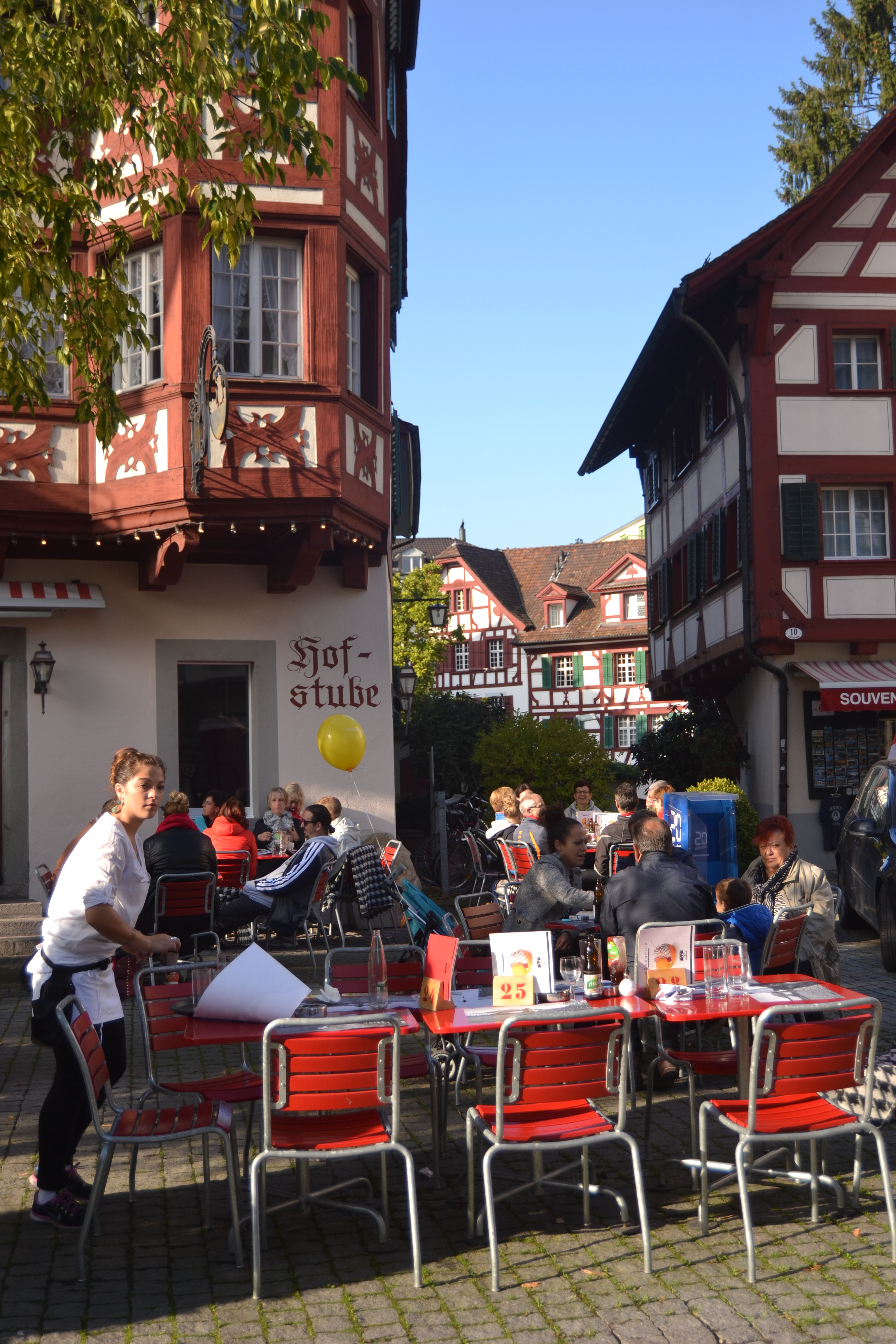
I liked Zurich a lot but I was running short of time and had to move on so I took the train to Lucerne; and that was lovely as well. Another river and lake, more distant mountains, cobbled streets and ancient walls. Half-timbered shops, Belle Epoque hotels, the sharp spires of the Hofkirche, a covered wooden bridge from 1333 with its octagonal pitched-roof tower. And, in a country reckoned to be ultra-conservative, a couple in their forties snogging like teenagers in a square in the middle of town.

There are chocolates, Swatches and Swiss Army knives in every third shop; but not so many cuckoo clocks, because they are actually a German tradition. Switzerland, too, was a belligerent, expansive power at the time of the Borgias, and not at all democratic until late in the nineteenth century. Orson Welles was wrong.

DSC_1526

I asked in the station about trains to Berne. “On the hour, every hour, takes an hour,” the lady said. At least one of the popular ideas about Switzerland seemed to hold up.

© Richard Senior 2015

Time Travelling

image1

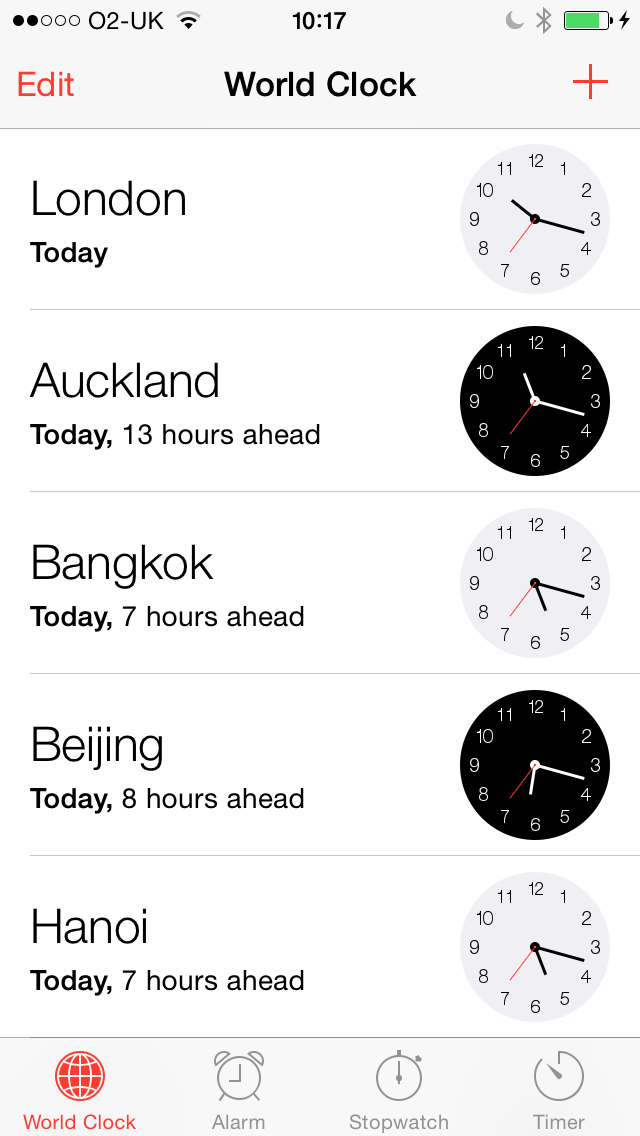
I was halfway across the Tasman Sea by 9.30 am. After we landed in Sydney two hours later and I put my watch back to local time, it was 9.30 am once again.

I was kicking around the terminal for five hours, waiting for my connecting flight; then on the plane for fourteen, with the child behind kicking me. But there was no chance of sleeping anyway, because the old man in the seat next to mine thought out loud when awake and snored like a grampus when asleep…and then, hours later, woke with a snuffle and sigh and told me he never slept on planes.

When I arrived puffy-eyed at LAX, it was 9.30 am for the third time that day, and I had got there before I set off.

© Richard Senior 2015

More than Just Fried Spiders: Eating in Cambodia

DSC_0570

Deep-fried tarantulas were an adventure too far for me, so I ordered prahok instead. The waiter tried to warn me off.

It is a popular ingredient in Khmer cooking, but the pungent, sewagey smell often revolts barangs (Westerners). Fresh fish is crushed, dried in the sun, salted and left to ferment in a jar for weeks, months and anything up to three years. It is added to all sorts of dishes as a thickener or condiment, and eaten on its own as a dip for raw vegetables in the style of anchoïade in the South of France. The taste is fine, as long as you stay upwind of it and take shallow breaths.

But there is more to Cambodian food than stinky fish and spiders. Meals are put together as they are in neighbouring Thailand with rice at the heart of them and a balance of textures and flavours: soups, salads, curries and pickles; something fried, something grilled, something sour, something bitter. But – prahok notwithstanding – Khmer food tends to be subtler than Thai with herbs more prominent and chilli restrained.

Take papaya salad. It is broadly the same dish whether you order it in Phnom Penh and call it bok lahong or order it in Bangkok and call it som tam; but in Cambodia the chillis are sliced and served on the side so you can add as many or as few as you like, or none at all if you please: in Thailand they are bashed up with the salad and it as hot as the cook decides.

fish-amok-921926_1920

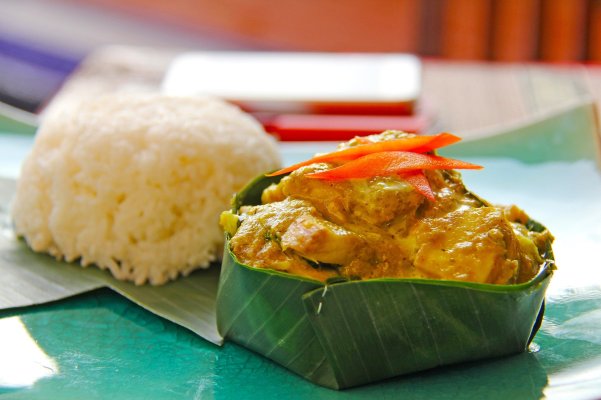
The Thais have their own take on amok trey, which the guidebooks call the national dish of Cambodia; but theirs, ho mok pla, is spicier. In the Khmer version, flaked catfish is mixed with coconut milk and a delicate curry of turmeric, lemongrass, galangal and shallots, and steamed and served in a banana leaf, then garnished with a sliver of red chilli.

There is crossover, too, with the neighbours to the east. Street food vendors in Phnom Penh sell a crusty baguette stuffed with slices of pork, slabs of pâté, coriander and pickled vegetables. They call it num pang but it is a rebadged version of the well-known Vietnamese bánh mì. Then again, every noodle shop in Saigon sells hủ tiếu Nam Vang, or Phnom Penh noodle soup. It is called kuy teav in Khmer and half of Phnom Penh slurps down a bowl of it for breakfast each morning.

Lok lak, the best-known Khmer dish after amok, is much the same thing as the Vietnamese bò lúc lắ (shaking beef). Strips of marinated beef are quickly stir-fried and served with sliced salad vegetables, lettuce and a dipping sauce. The idea is to parcel up a mouthful of beef and vegetables in a lettuce leaf and dunk it in the sauce.

I had it at the Foreign Correspondent’s Club in Phnom Penh, a lovely colonial villa on the riverfront. The shutters were open and the bamboo blinds rolled right up and the fans on the roof lazily revolved and the breeze from the Tonle Sap River wafted through the windows and cut the stifling air. Illuminated boats glided past as I sat and sipped an Angkor beer and ate the lok lak and unseen scooters snarled somewhere below.

© Richard Senior 2015

Amok image: via Pixabay 

Journey through Zimbabwe, Part 2

DSC_0143

The suburbs of Harare look like Surbiton after a disaster. Large bungalows left to rot, gardens overgrown, swimming pools drained, empty double garages with the doors swinging open. The bowling green, tennis club and golf course are much as you would find in the Daily Mail heartlands of Britain, except that the bunkers are filled with the parched red soil of Southern Africa.

The city centre is grubby; the pavements are crumbling and cratered. Vendors lay newspapers out on the ground and weight them down with old car valves. The architecture seems stuck in a timewarp around the early eighties. But there are still a few colonial buildings, unloved and uncared for yet clinging on: the Art Deco Old Shell Building, the splendidly Edwardian Fereday & Sons on Robert Mugabe Road. The government owns the best buildings, though, and you photograph them at your peril. The journalist, Peter Godwin, wrote of a motorist pulled over and threatened at gunpoint for laughing. “You don’t laugh near the president’s residence,” said the angry soldier. “It’s against the law”.

tatenda-mapigoti-CtqY0-G72qg-unsplash

The ordinary people hurry past – without laughing – in tired pick-ups and tiny hatchbacks towing clouds of smoke, while S class Mercs stand in a line outside. There is wealth in Zimbabwe for a favoured few; and, if you look down Julius Nyerere Avenue, along the line of jacaranda trees, as the sun sets and reflects in the windows of corporate towers, and children saunter home in uniforms evoking an old English school, and a businesswoman strides in patent heels towards the Ernst & Young building, you will struggle to connect it with the ruined country you have seen so often on the news.

We snarled up in rush hour traffic as we headed south out of the city. If the traffic lights worked, no one took any notice, any more than they did of the bewildered policeman blowing his whistle until he was out of breath. The cars rushed to do battle at a crossroads, inching and honking to bully their way through. A pick-up bumped up onto the pavement, churned up gardens and squeezed down an alley and back onto the road further down. An ambulance, hopelessly boxed in, wailed in exasperation.

© Richard Senior 2015

Street scene: Photo by Tatenda Mapigoti on Unsplash

Another Day in Dresden

DSC_1125editededited

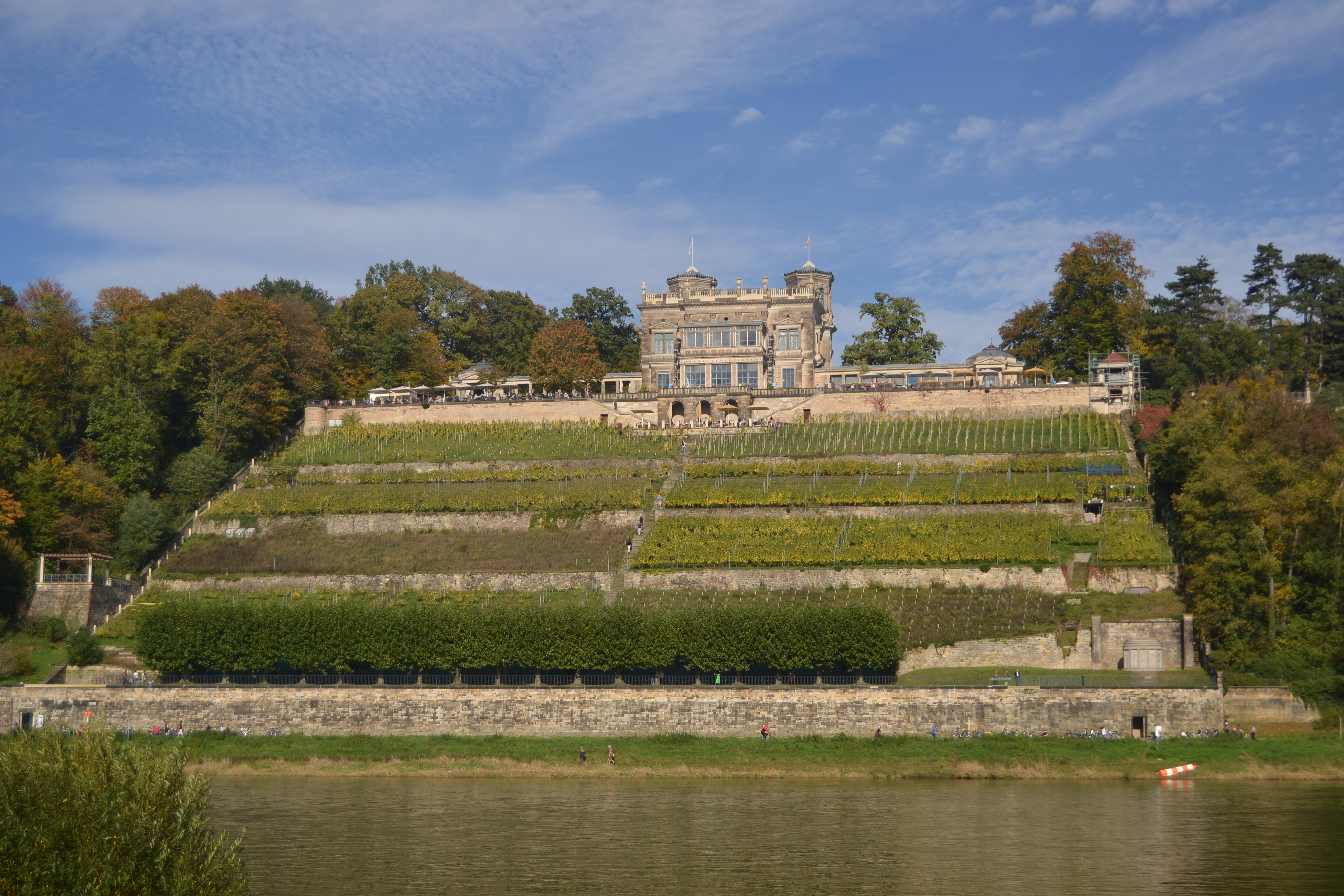
There was a rail strike across Germany and I was stuck in Dresden until after the weekend. It is a lovely city, despite the things it has been in the news for of late; but I thought I had seen as much as I wanted to see.

I borrowed a bike from the hostel and cycled downtown as the lights were flickering on in the stores in the mall which shadows St Petersburger Strasse. Burger King, McDonalds, Ibis, Starbucks, TK Maxx and Fitness First, then across the road an apartment block from another age, another country. Just under the roofline, there is still a trace of the words which used to be there: der socializmus siegt, socialism is winning.

I cycled over the c-c-c-c-c-cobbles in the A-a-a-a-a-lstdat, between the grimly beautiful buildings – towers, spires, domes, statues, blackened sandstone, opaque glass – then crossed the Augustus Bridge and rattled down a flight of steps to the path along the bank of the Elbe, which I followed to see where it went.

DSC_1177

Away from the city, it meandered inland and brought me out in the middle of a suburb and ushered me over a bridge and back onto the opposite bank, where I picked up the path and followed it again.

The autumn sun brought out the crowds and I dodged strolling couples and scooting children and overtook giggly teenagers cycling at walking speed. But I was overtaken in turn by serious men on serious bikes with sprayed-on lycra, and others with panniers and maps and more fluorescence than a motorway maintenance team. There were castles high in the hills on the opposite bank. A steamboat chuffed sedately down the river. Here and there were clusters of half-timbered houses, and once a middle-aged couple ballroom dancing alone in an empty car park.

The path undulated through the countryside, past old industrial buildings and through a park, and ended up in Pirna. A Sunday lunch crowd sat outside restaurants with hefty lager glasses; an old man stood on a corner by a bierhaus grilling bratwursts and stuffing them into buns. I cycled up and down the narrow lanes, between pastel-painted buildings with Gothic arches and Baroque spires, in the shadow of the castle at the top of the town. It seemed that neither guidebooks nor town planners had heard of the place.

These are the best days, sometimes: the days which should not have happened, the days when nothing has gone to plan and you are still somewhere you should have left, or are somewhere you should never have been; the days when you have already seen the sights and eaten at the restaurants and done the activities and are just wandering aimlessly to fill the time.

© Richard Senior 2015
Dingoes and Dad Jokes on Fraser Island

DSC_0322

Fritz was from Austria but had lived in Australia for decades. He was a likeable bloke, although his jokes were all terrible, and he told them relentlessly and we were stuck in a jeep with him all day.  Troy, who drove the other jeep, was as Australian as Vegemite and didgeridoos. He was a big man with a bush hat and mirror shades, and a head full of imagery like “as busy as a one-legged man at an arse kicking competition”.

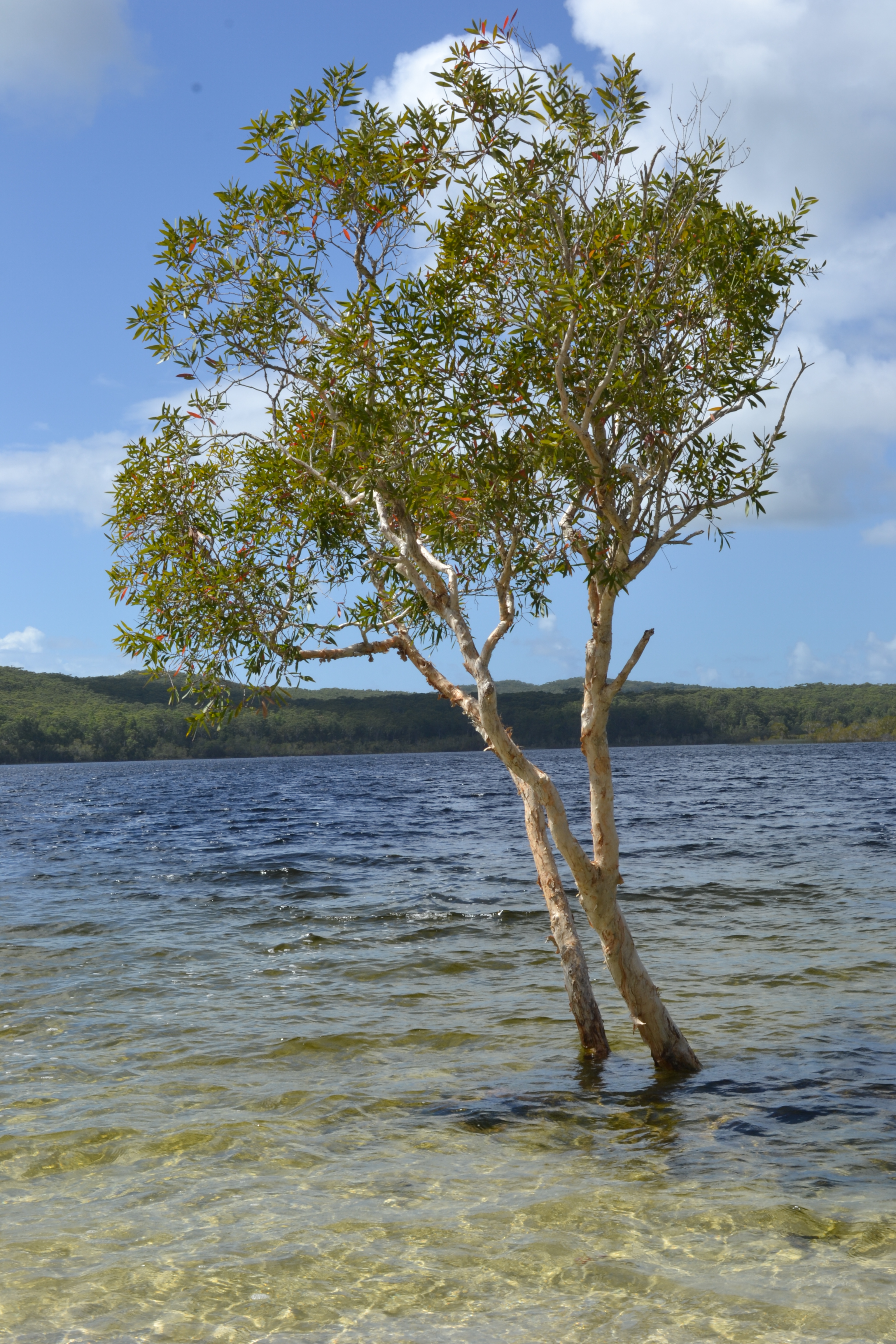
We trundled off the ferry as it docked at Fraser Island and cut through the rainforest, where Fritz pointed out scribbly gums and funnel web spiders’ nests, then stopped at a lake where the sun arranged shapes on the water and the others swam and I sat on the bank and got bitten by sandflies. Fruit, cheese, biscuits and Fritz’s bad jokes, then back in the Land Cruiser, back through the rainforest and onto the beach and a fast run down the creamy sand, watching out for the plane which uses it as a landing strip.

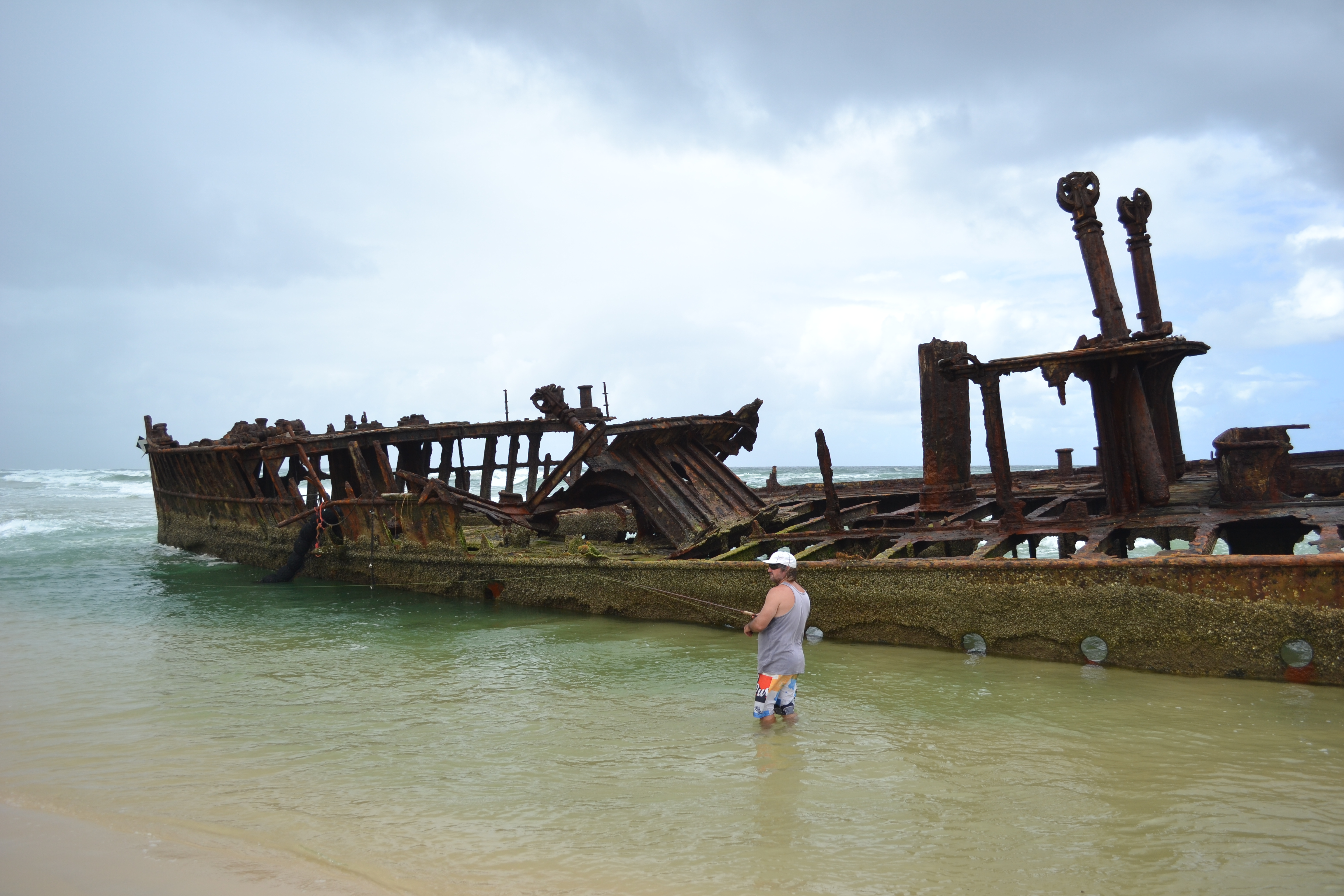
The sky went into a sulk and flung a few minutes of rain at the windscreen. We slowed to look at wild dingoes loping guiltily along the beach and stopped to photograph the wreck of the Maheno, a grand Edwardian liner which slipped its towline and beached on its way to the scrappers in 1935. No one could be bothered to shift it from there and it has been left to decompose.

DSC_0334

Then back in the jeep, speeding down the Seventy Five Mile Beach, slowing to bounce over half-buried rocks, then taking a hill at a run. The sky had cheered up by then. Sandwiches, crisps and beer for lunch.

“Grab some more food, mate,” Troy said.

“No I’m good, mate.

“Another beer then.”

“I’m good, thanks.”

“Does your husband know you’re out?”

We stopped again in the afternoon to clamber up rocks and look out across the frothing ocean, and get bitten by more sandflies; and then again to laugh at a tour bus which had got too close to the water and sunk up to its axles and was listing hard to port. Then hurrying to catch the ferry back to Hervey Bay.

© Richard Senior 2015