Tumbling through the Air in a Tiger Moth

I had been thrown round the sky by an aerobatic pilot before. But that was in an aggressively capable modern aircraft, built for that sort of thing. I had been strapped down firmly with a seven-point harness and had a canopy slammed and locked into place above me. And I was twenty, then, and had no fear.

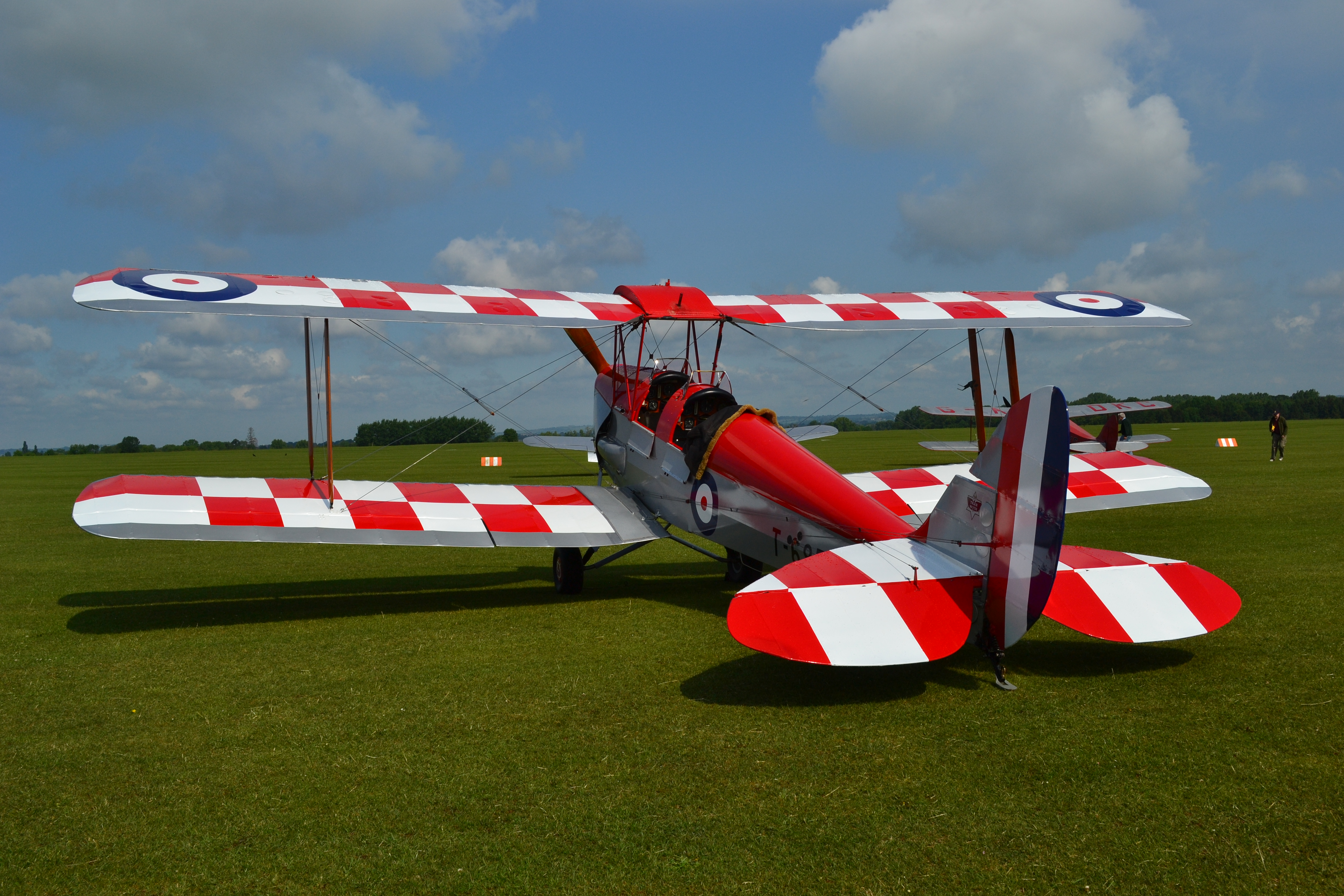
This time, I was in a Tiger Moth: a flimsy-looking, open-cockpit biplane built of fabric and wood in the Second World War to a design from the early thirties; and I just had a pair of straps, disturbingly like those on my backpack, to stop me from falling to my death. “If you fall out they can blame me,” said the pilot as he strapped me in. I wasn’t reassured.

The septuagenarian engine coughed hard, spat out a gobful of smoke then settled into a throbbing rhythm. We chugged across the field, then turned and accelerated along the runway. The Tiger Moth limbered into the air, like an elderly man mounting a stile, and climbed at its own leisurely pace as we pottered out towards the bay. There was a wonderful view from 3,000ft over the marina at the boats at anchor and out towards the Barrier Reef. In straight and level flight, it is easy to imagine yourself back in the days of boaters and blazers and croquet on the country house lawn. But we were not there for civilised flying.

Okay here we go,” said the pilot over the radio, chopped the throttle and pulled the stick right back. The Tiger Moth reared up to the vertical, stood on its tail and stalled. It fell sideways with a bang, as if a wing had come off, and spun. All my senses screamed that I was going to die. I gripped the edge of the cockpit, as if that would somehow save me. The sky, the ocean, the marina, the reef whirled round me in the confusion of a tumble down stairs as the pilot dived to build up airspeed and unstall the wings and then pulled straight up into a perfect loop. Over the top, upside down; my headphone lead flapping about in the air; the wind howling through the rigging, the sun flashing off the glass in the windshield. I looked up at the ocean and down at the sky; and we tipped right over, back round to where we had started. Then, straightaway, sideways into a barrel roll – boats sailing upside down in the sky – under and over, and the world righted once again.

Terror to elation and back again. Rolling, looping, spinning. East to west inverted, west to east right side up. The engine snarling, then abruptly cut. Just the whistling of the wind in the wires. Sky and ocean switching places again and again, until I was no longer sure which was right.

But no one can hear you scream from up there.
DSC_0591

(c) Richard Senior 2014

On the Shores of Lake Malawi

DSC_0772

There was a truckload of sacks clumsily piled next to the passport control office. One had split open, exposing its contents: a silvery mass of fish. The whole border post, inside and out, reeked like prahok, the sewagey fermented fish paste they dare you to eat in Cambodia.

At the edge of the village just over the border was a sign which read, “Healthy People. Clean villages. Stop Open Defecation”. Just beyond that, a middle-aged man threw open the door of his hut and strolled down to the road, glancing at us without interest. He was completely naked.

Women worked in a network of paddy fields, bending to harvest the rice with babies strapped to their backs. They laid the rice at the side of the road to dry, and draped their washing over bushes or spread it out on the grass. A man wobbled along on a squeaky, creaky pushbike with a big sack sagging along the crossbar and over the seat so that he had to lean forward onto the handlebars.

They called the money-changer Harry Highpants. He struggled onto the bus, puffing and sweating. He was flashily dressed on the cheap with braces which looked as if they had been tightened with a winch. His suit pockets bulged with kwacha notes.

DSC_0017 (2)

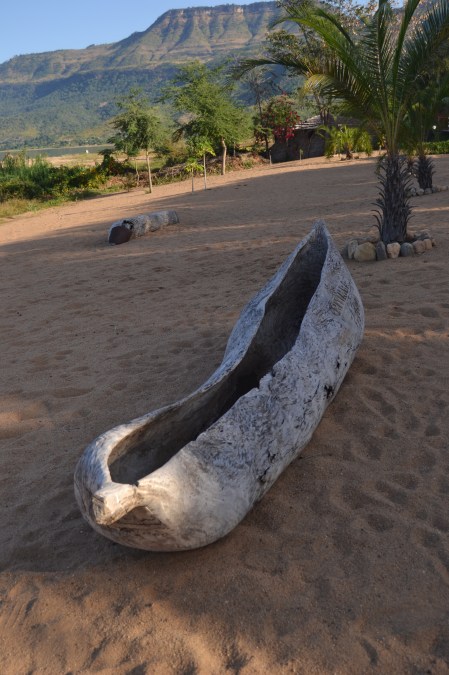
We stopped for a night on the shore of the lake which dominates Malawi and I strolled along the narrow beach between banana palms and papaya trees, past dugout canoes made from fat logs hollowed out and shaped at each end. Villagers swarmed around me, wanting to know my name, where I was from, how long I was there, and where I had been before. One called himself Mr Sweet Talker, another said he was David Beckham. They all had something to sell.

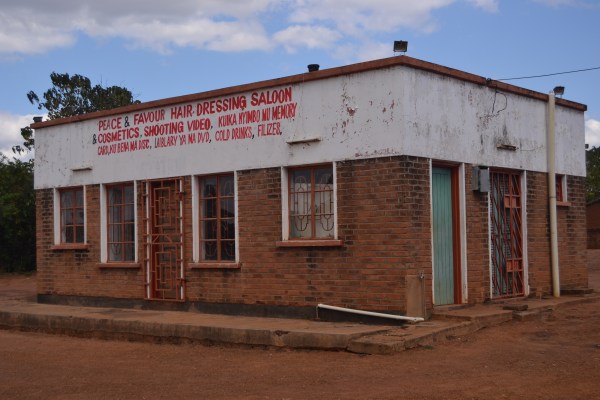
I am Mr Cheap as Chips,” said the first of the vendors in the row of craft stalls which flanked the road to the campsite. A handwritten sign confirmed it.

Richard,” said the next vendor who overheard when I said my name to Mr Cheap as Chips. “Come look my stall”.

Richard!” the other vendors chorused, and advanced on me with bracelets and carvings. “Just two dollars, Richard”… “good quality”… “see, big five”…“how much you give me Richard?”

Err. Maybe I’ll come back later.

DSC_0013

We worked our way down the shore of the Calendar Lake, 365 miles by 52, paralleling Tanzania way over, out of sight, on the opposite bank, until it faded into Mozambique, and stopped at a campsite around halfway down. There was a long, wide beach bookended with mountains and, behind it, an open-sided bar, some hammocks, a pool table and exuberant bougainvillea.

Village fishermen dragged dugout canoes up onto the beach and hung their nets to dry. As the sun dimmed, the lake turned electric blue, and pinks and purples bled into the sky, and the villagers lit fires along the beach and grilled the fish they had caught that day in their dugout canoes and the smell wafted up towards me. Chambo: a tilapia unique to Lake Malawi.

(c) Richard Senior 2014

A Morning in Hanoi’s Old Quarter

DSC_0077

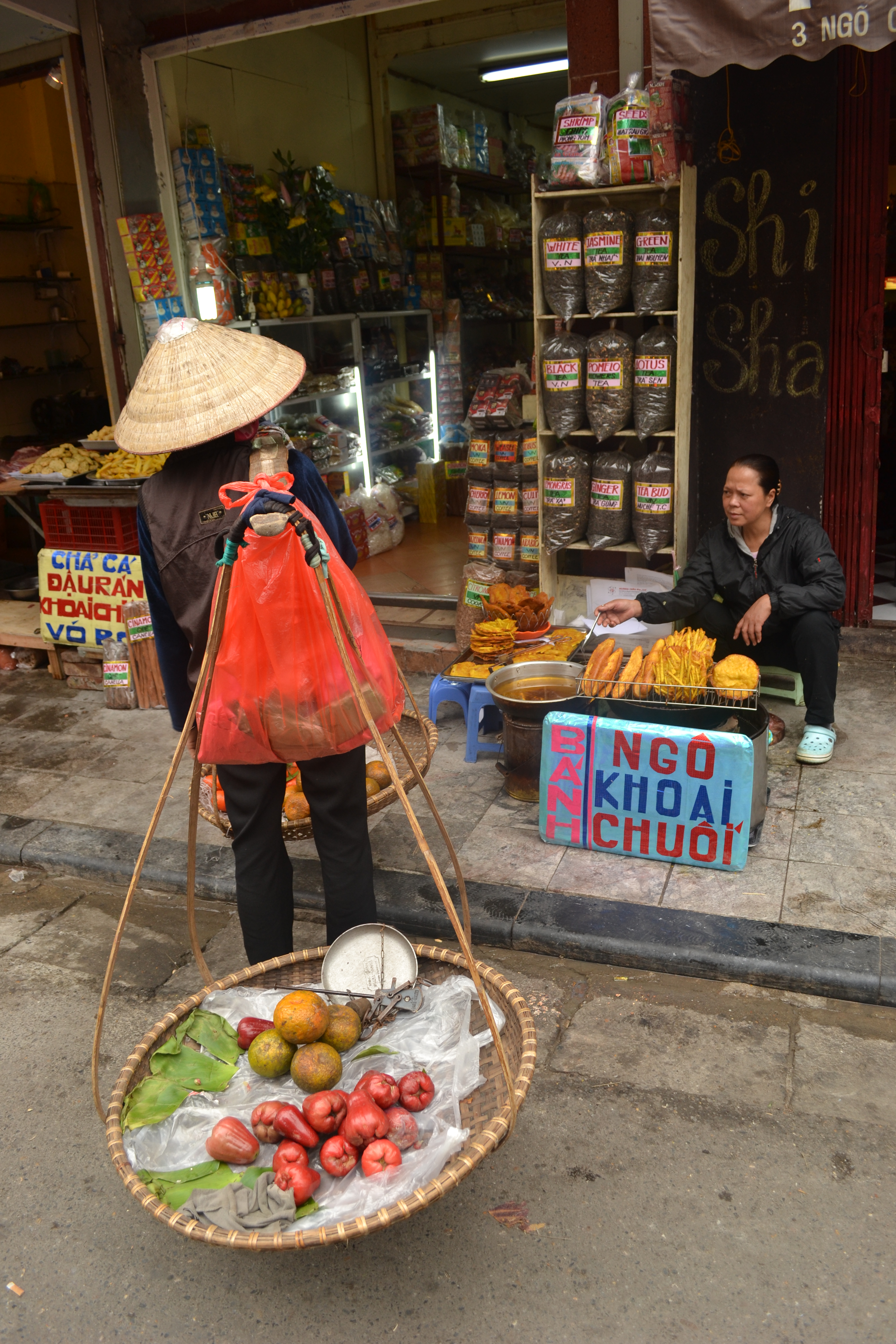
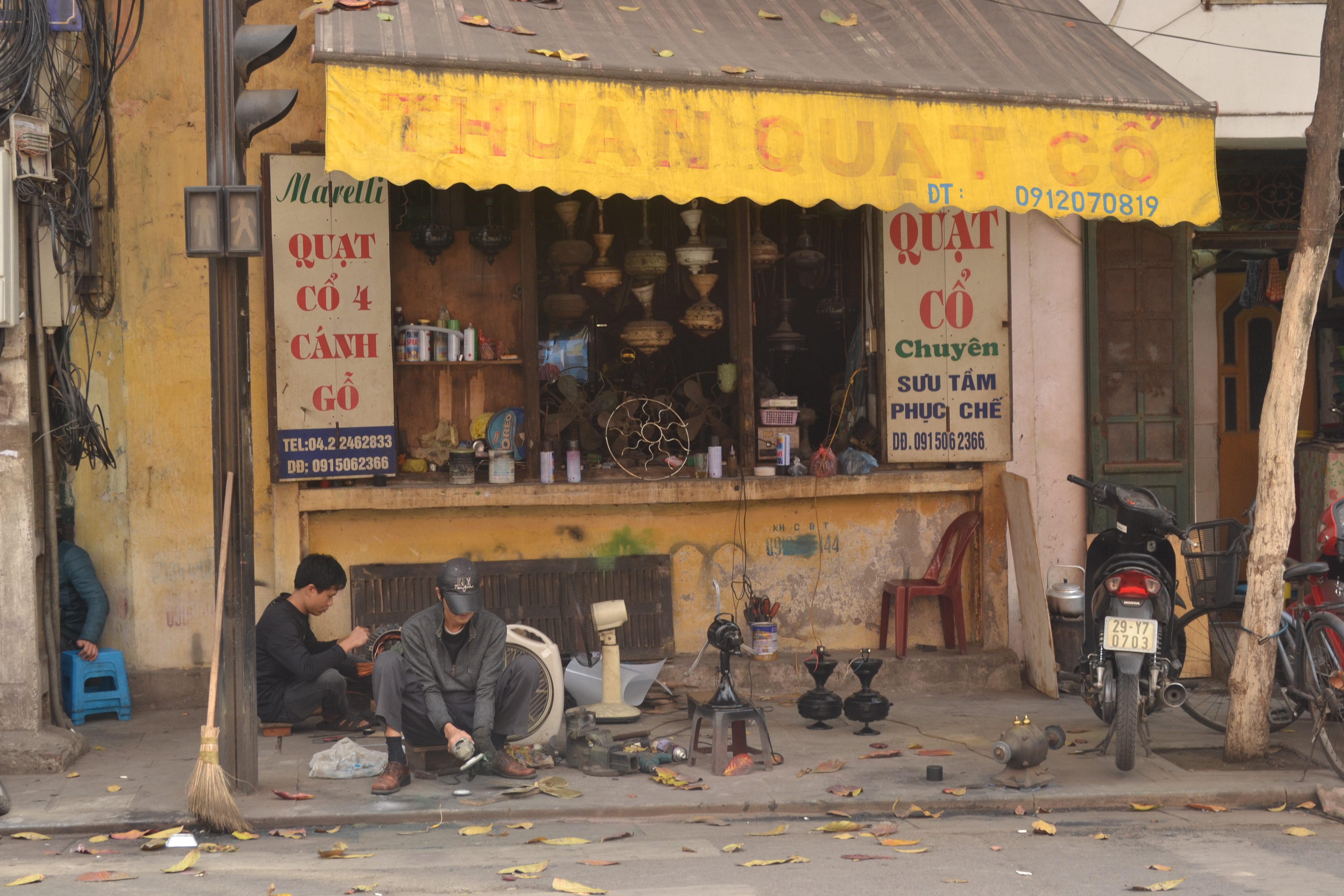
Scooters wail through the tangle of alleys, weaving round ladies in conical hats with yokes balanced over their shoulders and old pushbikes half-buried under baskets of fruit and slowly perambulating cyclos. The sound reverberates off the walls of the decaying colonial buildings with their sagging awnings and missing windows and roofs bodged up with corrugated iron.

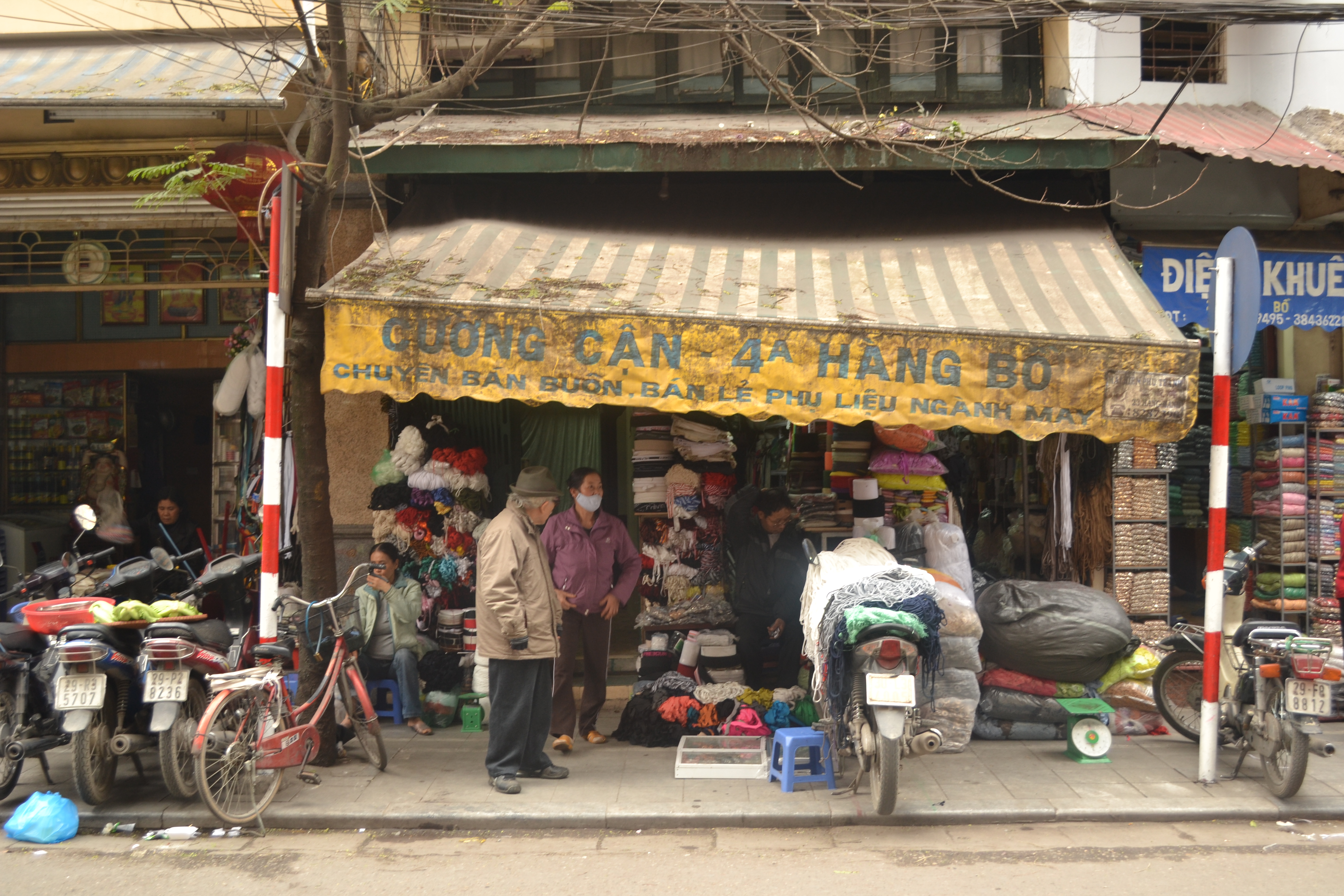
Traders spill out of their shops and fill the pavements with mannequins, fridges, anvils and circular saws. Women sit cross-legged, shaving pigs’ trotters and scaling fish with cleavers; men kneel over sheets of stainless steel, hammering, grinding, welding, drilling, and fashion them into boxes and bins. Street food vendors arrange tight circles of miniature stools on any available corner. There is nowhere to walk but in the road with the scooters.

DSC_0093

One shop sells nothing but heaters. Next door sells nothing but fans. Three doors further on sells lightbulbs. Two doors beyond that sells adaptors and leads. You go to one side of the road when your scooter needs tyres, to the other when it needs a new seat. And if it needs a new mirror as well, then you nip across town to the French Quarter. There are two streets on which every shop sells metal boxes, one street reserved for flowers and one for bamboo poles. Padlocks and door handles have half a street each, as have cooking salt and caged birds. Shoes get a crossroads of their own, but trainers, flip-flops and football boots have to share with army surplus. Musical instruments are lumped together with antiques, on the hunch, perhaps, that people who play instruments are likely to collect antiques.

DSC_0406

Chả Cá Street is named for the single dish which the restaurants along it sell. The best known is Chả Cá La Vong, so well known that restaurants all over town have ripped off its name. It is a poky little place with a rickety staircase leading up to a room with the look and atmosphere of a rowdy works canteen. Though it is in all the guidebooks and on every food blog, most of the other customers are shirt and tie locals. There is no menu, because chả cá really is all they do. They don’t see the need – as a restaurant would at home – for novelty chả cás or alternatives for people who go to a chả cá restaurant but don’t really care for chả cá.

The waiters bring the chả cá in relays. First, a sizzling fondue pot filled with turmeric-stained fish. Then, as that hisses and crackles in the middle of your table, a bowl of rice noodles. Then a ramekin of dipping sauce, a plate of crushed peanuts and a handful of herbs, which the waiter dunks in with the fish to wilt, and leaves you to assemble it when the fish and the herbs are done.

(c) Richard Senior 2014

“I come from the so-called Third World (what is the Second)?” – Isabel Allende

image1

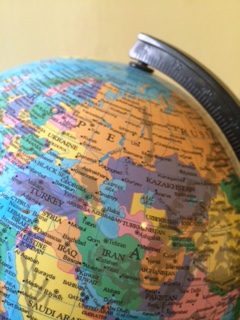
Alfred Sauvy is now so little known – at least outside France – that Wikipedia can only narrow his birth to the year 1898 and his death to October 1990. He was a demographer, anthropologist and historian , which are three reasons why he is not better known; but he left a lasting legacy when he wrote of Tiers Monde: the Third World. The phrase is still in everyday use sixty years on, although not in the way that he meant it.

Sauvy saw the Third World as the jumble of states unaligned with and “ignored, exploited, scorned” by the two great Cold War power blocs: NATO (the First World) and the Eastern Bloc (the Second World). It was not about relative wealth. Much of the oil-rich Middle East was in Sauvy’s Third World. Nor was it a measure of development. We would call Laos, Vietnam and Cuba developing countries, but they were very much part of the Second World when they went communist (as they all, at least nominally, still are).

Quarter of a century after Sauvy’s Second World vanished, the terms “First World” and “Third World” have morphed into a shorthand for developed and developing countries. So now there is a First World and a Third World but no Second; some of the old Third World is arguably now in the First, and much of the Second is now in the Third, although some might be said to be in the First.

But that is no more confusing than a “West” which includes Australia and New Zealand but not South or Central America.

(c) Richard Senior 2014
A Drive through Ngorongoro Crater

Frederick inched the jeep down the track to the floor of the crater, a huge caldera formed when an ancient volcano imploded. To the right was a salt lake pinked with all the world’s flamingos. To the left, buffalo feasted on tall yellow grass while oxpeckers feasted on their backs. Big fleas have little fleas upon their backs to bite ‘em. And little fleas have lesser fleas and so ad infinitum.

But the flamingos and buffalos were a distance away, half-hidden behind trees and termite mounds, and after ten minutes I was prepared to be disappointed with Ngorongoro Crater. Then a warthog waddled down the road towards us, a squat, ugly thing with a mouth like a shovel with nails hammered through it. The warthog waddled right past the jeep – just inches away – stopped briefly for photographs, and waddled off into the grass.

A hundred yards along the road, we stopped for a zebra crossing. There was an abundance of zebra, an embarrassment of zebra; they were as plentiful as sheep in New Zealand. The zebra graze side-by-side, nose-to-tail so they can swat flies from each other’s faces with their tails. They graze with the wildebeest because they eat the same grass and the same carnivores eat them and each can look out for the others.

DSC_0402

Hyenas!” someone shouted as three furry heads popped out of the grass and one broke cover and loped down the track at the side of the jeep. I never cared much for hyenas. They are always the villains in wildlife documentaries, nasty little things which laugh inappropriately and steal the poor cheetah’s cubs. But they need to hire a PR consultant because they are a lot cuter in person than they seem on the screen with their fluffy coats and sorrowful faces like bears’.

Simba” Frederick said.

Lions!” everyone else said, translating the one word of Swahili the whole world knows.

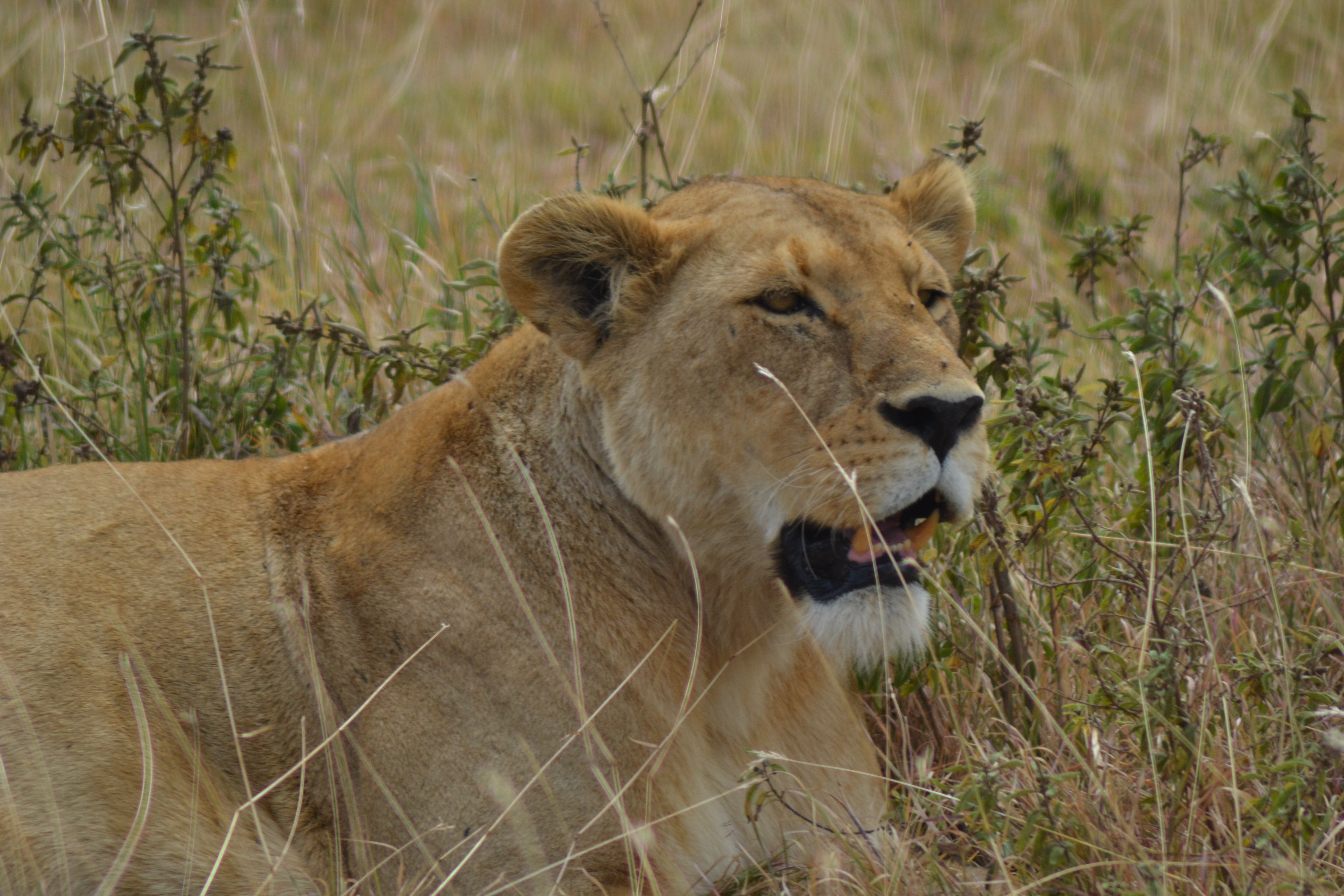
A coalition of four males reclined in the sun, looking pleased with themselves, as male lions will. The females do the hunting while the males strut about looking hard. Sometimes they roar; often they just stretch out and doze. But when a female comes back with the kill, they bully her out of the way and eat all the best bits themselves. There was a mixed herd of wildebeest and zebra within easy jogging distance, but hunting is not their department, so they ignored them.

The lionesses were round the corner, planning an ambush. Two fanned out, crossed the road and hid while the others crouched low in the grass, just metres from us. A moment later, a dazzle of zebra strolled over the road and across the grass in front of the crouching lions. They let a few pass and then pounced. The zebras turned and bounded back the way they had come, but the other two lions leaped out of hiding and came at them in a pincer movement. Lions to right of them, lions to left of them, lions in front of them; the zebras swerved and dodged, the lions ran after them, kicking up dust as they spun, but the zebras, narrowly, got away.

DSC_0431

(c) Richard Senior 2014
How the Llama Didn’t Get Its Name

DSC_0363

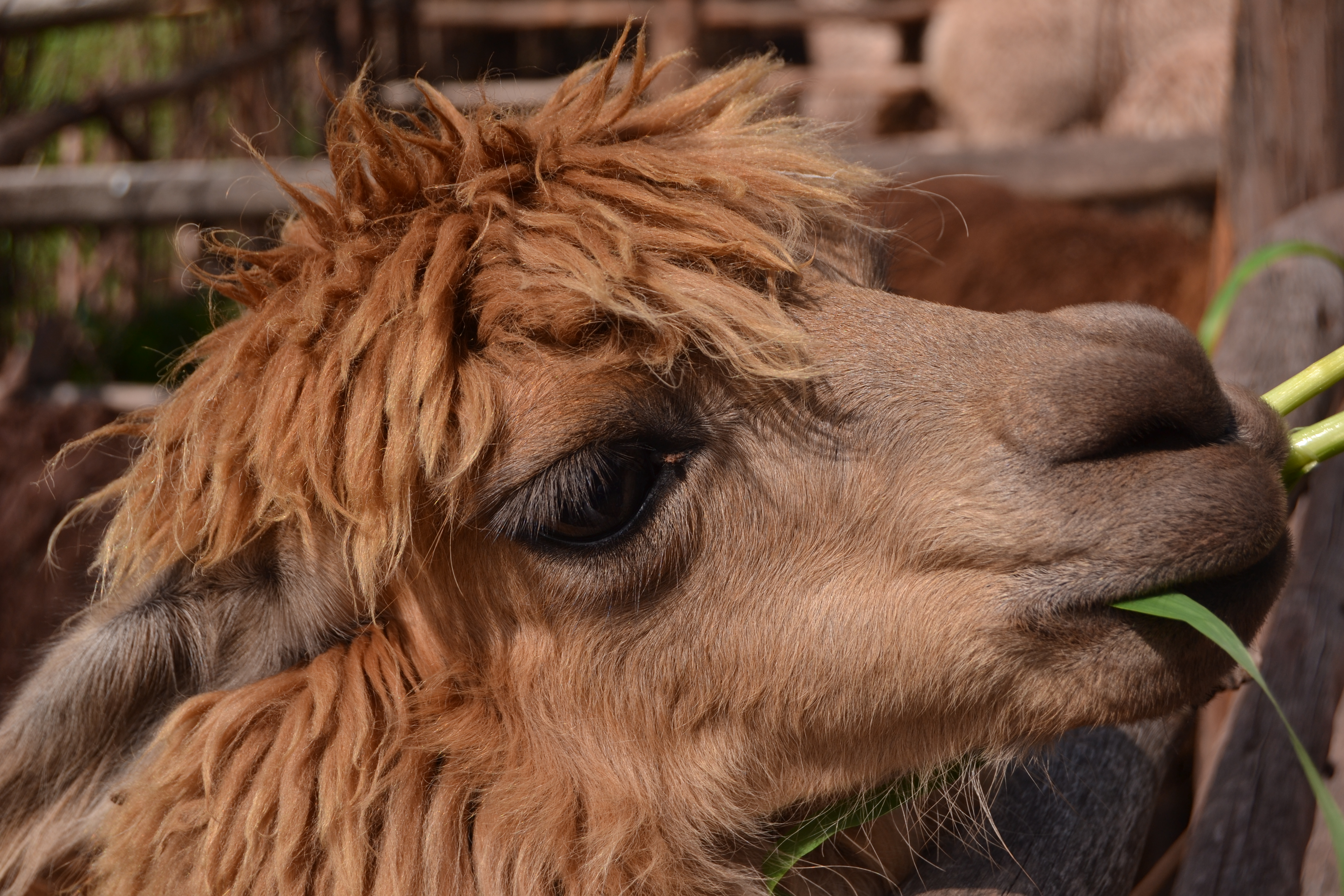
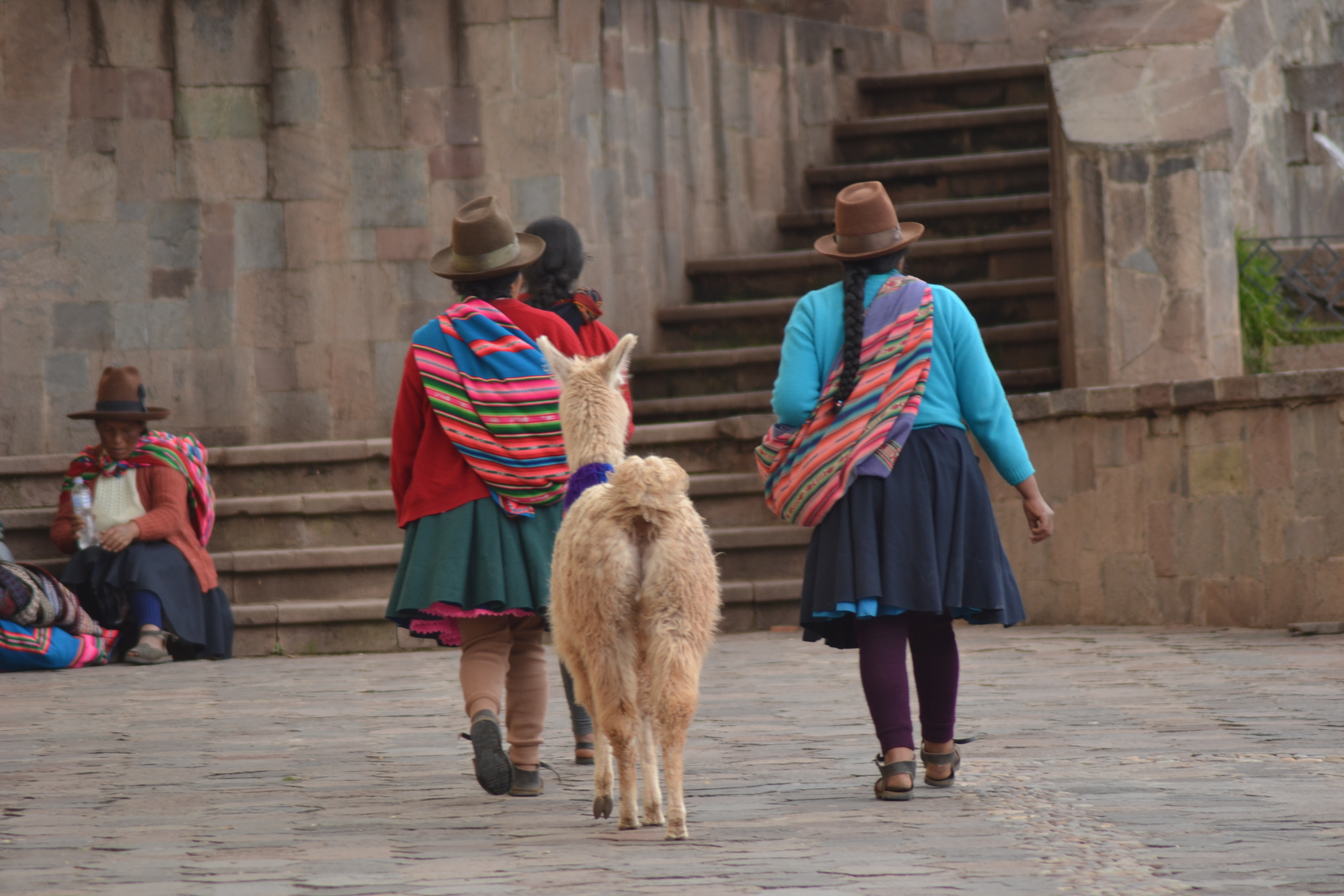
Llamas: larm-errs to the English-speaking world, but yam-ass in Spanish or  jam-ass as it is spoken in Peru. They say that a conquistador approached an Andean herdsman and asked: ¿Como se llama?  (What is this called?) ¿Llama? said the baffled man, who spoke only Quechua. It is strikingly similar to the story told in Britain and Australia of how the kangaroo got its name. And there is just as little truth in it.

DSC_0318

(c) Richard Senior 2014
Jetting Off

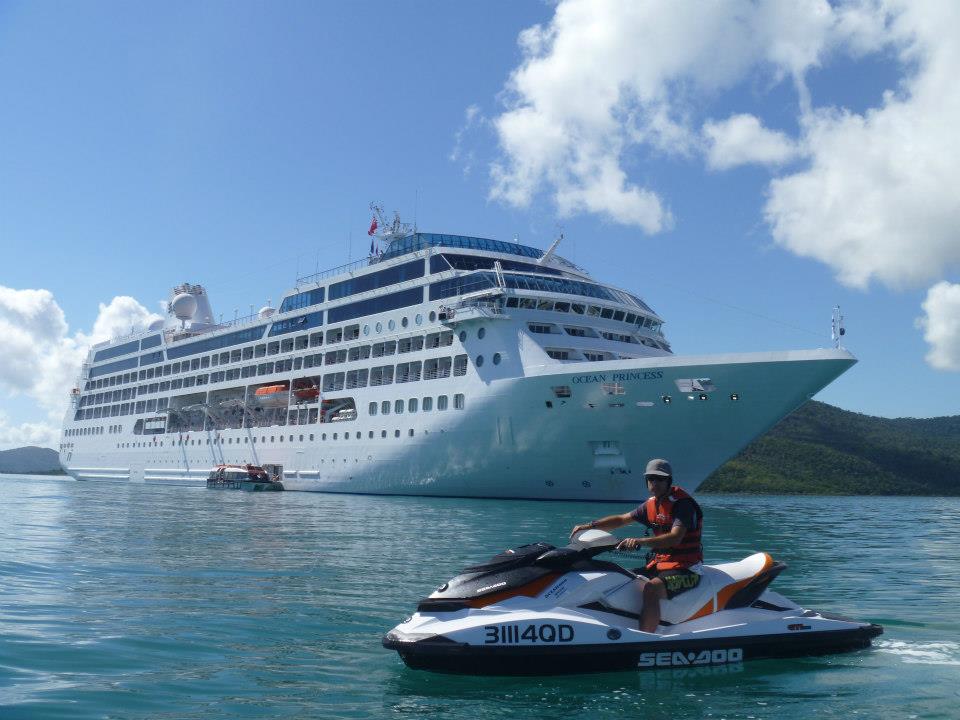
It is a postcard day in the Whitsundays with a flawless blue sky and turquoise ocean and little wind to speak of.

You flick the starter and open the throttle and ease the jetski out of the marina, keeping it under the speed limit. Then you are out in the water and gun it towards a cruise ship moored in the bay, circle that, then a half-sunken yacht, then tear off again – faster this time – turning, turning, turning, much faster than seems at all safe when you have never done this before; but you are following a guy who knows what he is doing and stick with it.

You hit a wave at an angle and take off, scare yourself and let go the throttle; but you are not supposed to do that and get warned not to do it again. Your job is to keep the throttle open, hang on and trust in the machine, much as you do on a motocross bike.

You are going faster now, gaining confidence. But then the guy you are following pulls a sharp turn and you wind off the throttle, and he is at the other side of the bay. You open it right up to catch him, too focussed to look down at the speedo; but you know – because they said – that you have 130 brake horse power, roughly the same as a 1.9 Audi A4 in a craft which is smaller than a rowing boat. It does 90 knots flat out; or 104 mph, 167 kph.

You slow and stop and edge into a cove at idle speed. The sun-dappled water is perfectly clear and green sea turtles the size of coffee tables swim past so close you could reach down and touch one.

You give the turtles time to get clear, then you turn and you open the throttle again; and you are confident, then, to keep the power on in the turns and leap the waves and trust the jetski to stay afloat; and you want to stay out on the water all afternoon but have only booked for the morning and reluctantly head back to the marina.

67939_591005870911885_1354761211_n

(c) Richard Senior 2014

Phang Nga Bay with the Worst Tourists Ever

DSC_0673

The driver pulled up outside a smart hotel – far removed from my guesthouse in town – and waited.

After waiting a while, he went to ask at reception and, a while after that, the Important people strolled out. They were plainly used to being waited on. I wondered why they had joined a public tour with a bunch of backpackers. Maybe they did too.

The Important man snapped at his wife, the Important woman snapped at their children; and all the Important people treated the driver as if he were their servant. They ignored the rest of us.

Stop the car!” the man ordered five minutes up the road. The woman felt car sick. Then again five minutes later, and again five minutes after that. Then we were on a fast road at the edge of a cliff with nowhere to stop.

“Stop the car!”

“Can’t stop here”.

So the woman slid the door and tried to be sick as we drove. We stopped.

Later than planned, we transferred to a longtail boat and powered through mangrove swamps. Limestone karsts, hundreds of feet tall, slid past either side. The Important people put their umbrellas up against the spray and blocked everyone else’s view. We arrived at Panyee, a Muslim fishing village built on stilts in the shade of a karst, where they served us lunch.  I liked the barbecued mackerel, the breaded shrimps and the saffron rice well enough; but the Important people shouted at the waiters and sent it back.

We stopped briefly at Ko Khao Phing Kan, Scaramanga’s base in The Man With the Golden Gun, then got into two-man canoes and the boatmen rowed us round and inside the karsts, squeezing through fissures and emerging in chimneys of rock with the squawks of the seabirds echoing between the walls and a circle of sky high above.

Some time after we were supposed to be back at the minibus, with the rest of us dutifully sitting inside, the Important woman strode over, grabbed the door mirror and turned it round to check her make up.

I can’t believe she just did that,” I said. The driver shook his head, got out and pushed and pulled and twisted and tapped the mirror until it was roughly where it had been.

Let me use your phone,” the Important man said, making a grab for the driver’s mobile. “I need to make a local call”.

The driver was nonplussed for a moment then thrust his phone without a word towards the man, who made a long chatty call about nothing. I dare say the driver had to pay for it himself, but Important people never trouble themselves with details like that.

We probably didn’t stop more than fifteen times on the way back to Phuket for the Important woman to try to be sick.

I gave the driver a hundred Baht tip because I thought he had earned it. I am not sure the Important people gave him anything.

(c) Richard Senior 2014

Seeing Berlin by Trabant

DSC_1012

A man in the old East Germany went to the showroom to buy a Trabant.

Come back in thirteen years,” the salesman said, “it’ll be ready for you then”.

“Can we make it the afternoon?”

“Certainly, comrade. But why?”

“The plumber’s coming in the morning.”

The VEB Sachsenring Trabant was a gift for anti-communist propaganda. It looked like something from a 1950’s cartoon and had an engine better suited to a lawnmower: 600cc, 26 brake horse, 0-60 on seven day’s notice. It was not really made of cardboard, as rumoured in the West, but some panels were made of a plastic reinforced with old wool and other sweepings-up. It appears in most lists of the worst cars ever built.

I had always wanted to drive one.

I was in Berlin and poking about near Checkpoint Charlie when I happened on an outfit which ran self-drive Trabant tours.

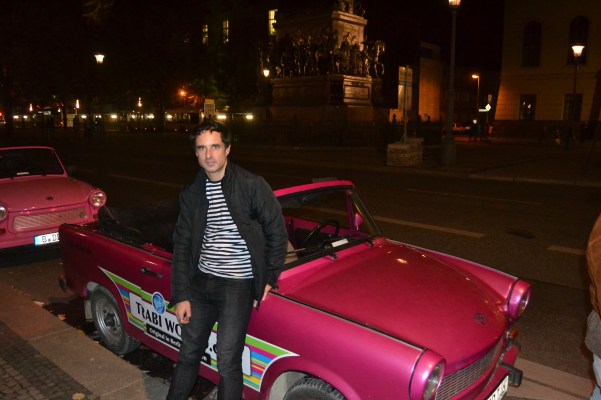
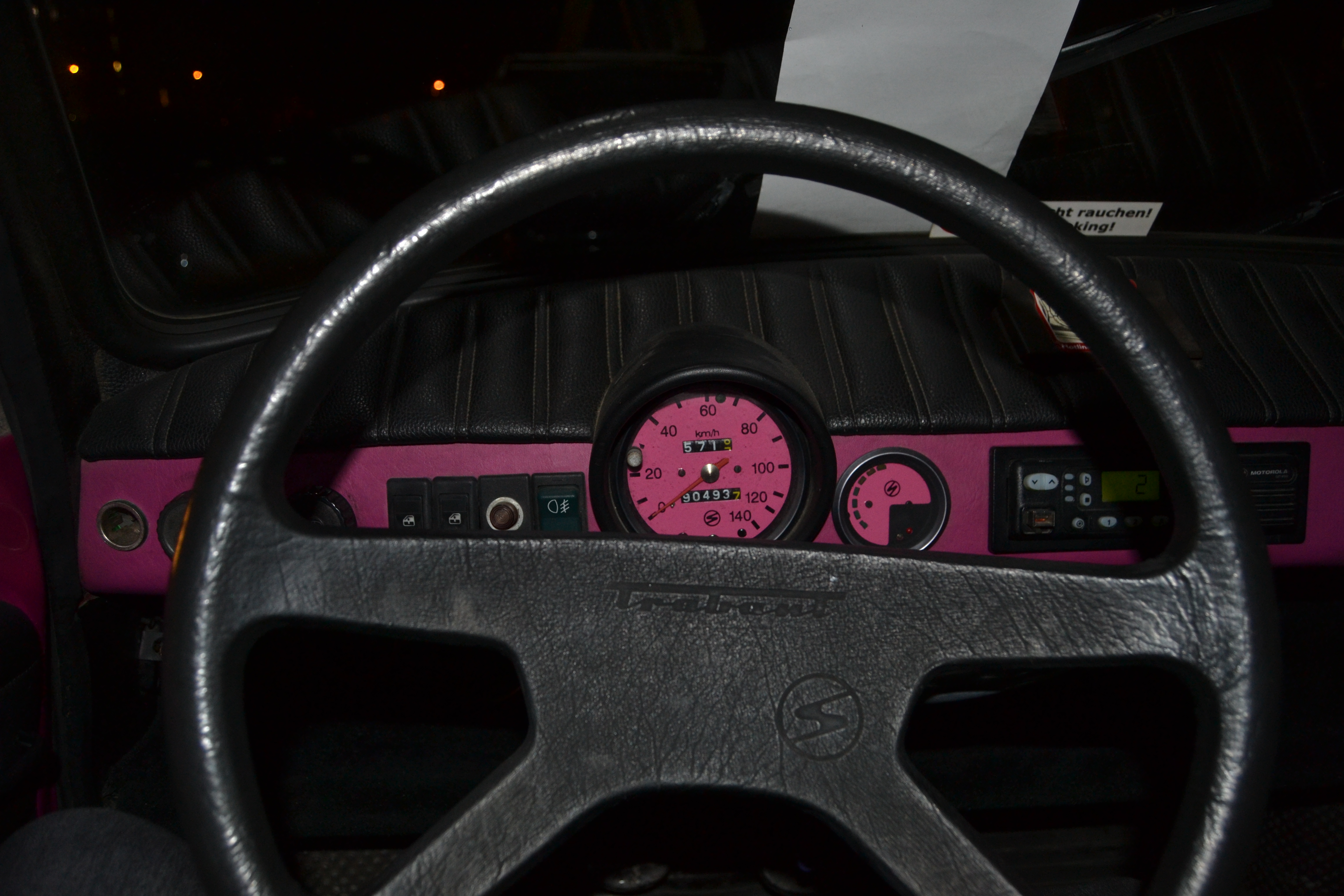
Mine had been pimped up with a soft top conversation, electric windows and a metallic pink paintjob. But it still had the skinny original wheels, and the little engine was standard. It was as Spartan inside as a race car. The speedo went up to 140kph, which was as ambitious as any of the DDR’s production targets.  Next to it was what might have been a rev counter, but did not seem to do very much.

There was a hefty rocker switch for the lights and a few knobs which I think were just there to fill space. A flimsy stalk protruded from the steering column: up and down to indicate and forward for the horn, which worked one time in four. There was a sturdier lever on the other side for the gear change: forward and down for first, then up for second, back and down for third and up for fourth.

DSC_1004

I knew that the engine was two-stroke, but I still laughed when I started it up and it ring-ting-tinged like a moped. Then a cloud of blue smoke engulfed me. The gearbox growled and struggled against me as I tried to wrestle it into first, but I overcame it with the sort of brute force the Stasi might have used on a prisoner.

There were six of us in convoy, following a guide who called out instructions on a one-way radio as we made for Potsdamer Platz. It was the Piccadilly Circus, the Times Square of the Weimar Republic, but was all but levelled in World War II, then bisected by the Wall and left as a vacant plot. Now it is ringed by skyscrapers designed by an aristocracy of architects.

It was busy with commuters on their way home when we ring-ting-tinged past; and in my pink Trabant with the roof down and my arm draped over the door, I hammed the self-satisfied look of the bankers you see snarling round in Ferraris. They looked at me as if I was being serious.

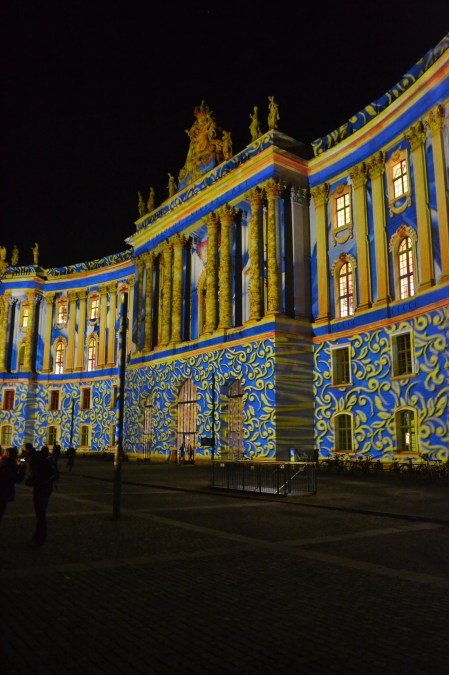
We drove on towards the Brandenburg gate, a symbol of partition, then of reunification, now gorgeously lit with video projections for the Festival of Lights.

As we headed towards and over the river, some of the Trabants got stuck at the traffic lights and Audis and Volkswagens slipped in between them, incongruous as bungling spies. “We have some capitalist cars in our convoy,” the guide warned over the radio.

He set off from the lights and turned left across traffic, and I slammed it into first, then second and scuttled across after him and forced a corpulent Mercedes to stop. PARRRRP! went his big bourgeois horn. Neep-neep went mine in response.

DSC_1014

We stopped and got out on Unter den Linden to look at the light shows on the cathedral, university and opera; then set off again, heading deep into the old East Berlin. We screamed through Alexanderplatz, past the TV tower, and on past the East Side Gallery, through Friedrichshain with its legendary nightlife.

I had fought my way up to fourth gear by then, and with my foot flat down and the engine howling, I must have been doing at least 30. Yet I was having more fun than I have had in much faster, pricier cars.

We met another Trabant tour going the other way and everyone waved and cheered and neep-neeped at once. It might have been a scene from a propaganda film in the days of the DDR.

(c) Richard Senior 2014

To Count the Cats in Zanzibar

DSC_0035

The rusty old ferry surprised me by getting across Dar-es-Salaam harbour without sinking; and the second ferry, to Zanzibar, surprised me more by being comfortable, modern and fast. I had a seat booked inside but resigned from that and went up on deck and sat in the sun with my legs over the rail.

Zanzibar– the zan in Tanzania – hub of the East African Spice Islands, centre of the Arab slave trade, was, by turns, settled by Persians, colonised by Portugal, governed by the Sultan of Oman, made a British protectorate, given independence and ruled as a sultanate for all of a month until the revolution, a massacre of Arabs and Asians (from hundreds to tens of thousands, depending on who tells the story), and an uneasy union with neighbouring Tangyanika. In Stone Town’s jumble of narrow streets, the buildings look faintly Mediterranean with rotting shutters and crumbling limewash, but then, here and there, is a great studded door like nothing in Europe, and mosques and madrassas which evoke the old Middle East.

DSC_0322

I stopped for lunch at a restaurant overlooking the harbour and knew what to order before I even got the menu: Zanzibar fish curry, made with tomato, tamarind and coconut milk shot through with garam masala. A stray cat came begging and I slipped it some fish and the more the waiter tried to shoo it away, the more I secretly fed it. I think they might have been in it together.

Touts worked the little scrap of a beach, while fishermen sat in their boats, sheltering under awnings from the formidable mid-day sun. Young men leaned against walls either side of an alley to chat. An older man trundled a handcart past them, piled high with coconuts. Schoolgirls in hijabs giggled home from madrassa. Little boys kicked a burst football. Then the muezzin cried out across the city and the streets emptied as everyone went to mosque. Dozens more cats sneaked in the shadows and looked deeply suspicious and hurried away when I tried to be friendly. I remembered a line from Henry Thoreau, “It is not worth the while to go round the world to count the cats in Zanzibar”.

DSC_0308

I got repeatedly lost in streets which the map insists have names but which have no signs to confirm it. Sometimes I turned into a street full of tourist shops, brilliant with paintings and football shirts, sometimes into a sepulchral alley, which exploded with sound when a scooter appeared from nowhere. Always, though, no matter how far I seemed to have strayed from the tourist beat, no matter how conspicuous I had started to feel as the only white guy in a crowd, I ended, eventually, back on the main street in front of the harbour.

(c) Richard Senior 2014